CM Majhi Flags Drinking Water Push in 3 Cyclone-Hit Odisha Districts
Synopsis
Odisha CM Mohan Charan Majhi has prioritised restoration of rural drinking water infrastructure in cyclone-hit Ganjam, Gajapati and Kandhamal districts after Cyclone Arnab, signalling activated field recovery teams within the Jal Jeevan Mission framework.
Key Takeaways
CM Mohan Charan Majhi has declared restoration of rural drinking water supply a top priority after Cyclone Arnab .
The three affected districts — Ganjam , Gajapati , and Kandhamal — are all in southern Odisha and structurally vulnerable to cyclone-related infrastructure damage.
Restoration work is framed within the Jal Jeevan Mission , the Centre's 2019 programme to deliver piped water to all rural households.
Odisha has previous experience in post-cyclone water supply recovery, having undertaken a similar drive after Cyclone Fani in 2019 .
Disrupted rural water supply raises immediate risks of waterborne disease, making it a critical first-response priority beyond structural repair.
Specific restoration timelines and supplementary budget allocations for Cyclone Arnab relief are pending and will be key indicators of the response's scale.
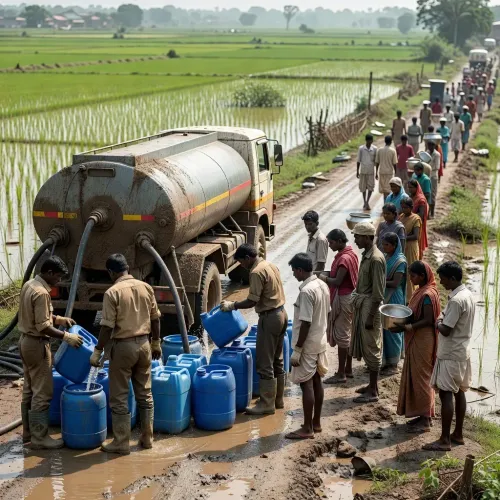
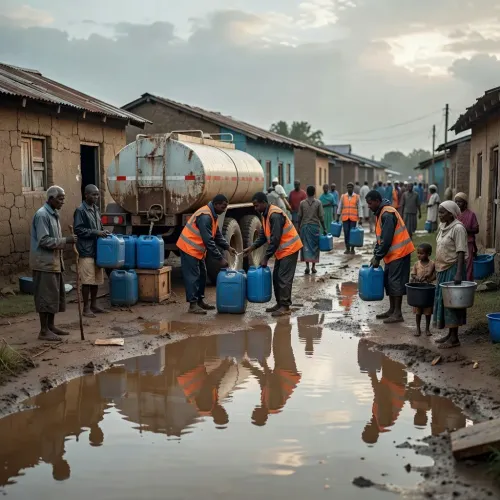
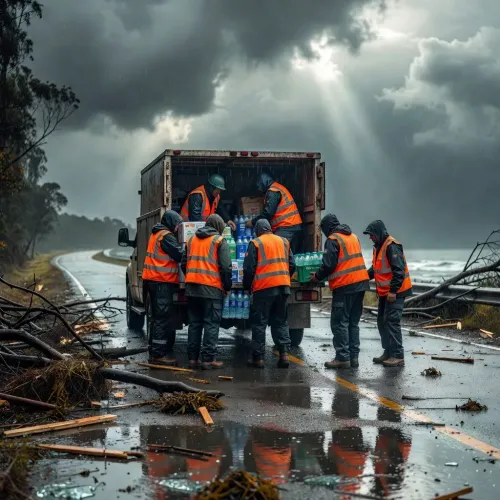
When a cyclone tears through a district, it rarely stops at damaged roads and fallen trees — it reaches deep into the pipes. Odisha Chief Minister Mohan Charan Majhi on Tuesday, November 3, 2026 signalled that restoring clean rural drinking water is a top priority in Ganjam, Gajapati, and Kandhamal — three districts battered by Cyclone Arnab.
In an Odia-language post on X, CM Majhi stated: 'Bātya 'Arnab' pare prabhābita Ganjam, Gajapati o Kandhamālare grāmīṇa pānīẏa jala jogāṇa byabasthāra punaḥsthāpana o biśuddha jala jogāṇaku gurutvа diājauchi' — meaning, emphasis is being placed on the restoration of rural drinking water supply and provision of clean water in Ganjam, Gajapati, and Kandhamal after Cyclone Arnab.
Three Districts, One Urgent Thread: Why These Areas?
Ganjam sits on the Bay of Bengal coastline in southern Odisha and has repeatedly taken the first blow from Bay cyclones — its low-lying terrain makes water-supply infrastructure especially fragile. Gajapati to its south is hilly and heavily tribal, where remote pipe networks are hard to repair quickly. Kandhamal, landlocked but storm-exposed, carries similar vulnerabilities with scattered tribal hamlets that can remain cut off for days after a severe weather event. All three districts share a structural challenge: every cyclone cycle risks sending rural water connections back to square one.
Jal Jeevan Mission as the Restoration Framework
The restoration effort sits squarely within the architecture of the Jal Jeevan Mission, the Centre's 2019 flagship programme to deliver functional household tap connections in every rural home across India. Odisha has been among the states steadily rolling out connections under the scheme; cyclone disruptions repeatedly test how quickly a district can bounce back to functional supply. Post-Cyclone Fani in 2019, the state government undertook a similar restoration drive — that experience has since shaped protocols for faster recovery of water infrastructure.
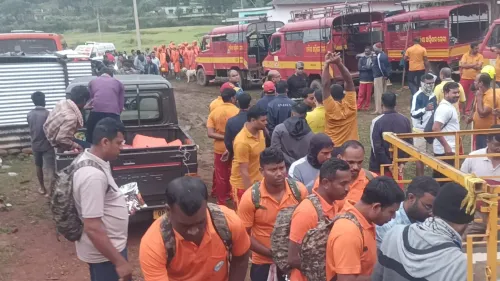
The current BJP administration under CM Majhi, in office since June 2024, has maintained that emphasis on water-supply resilience in southern districts. The Chief Minister's public communication on this point signals that field-level restoration teams are activated and that the administration is monitoring progress — important reassurance for communities where safe water access can be disrupted for days or weeks after a major storm.
What Recovery Actually Looks Like on the Ground
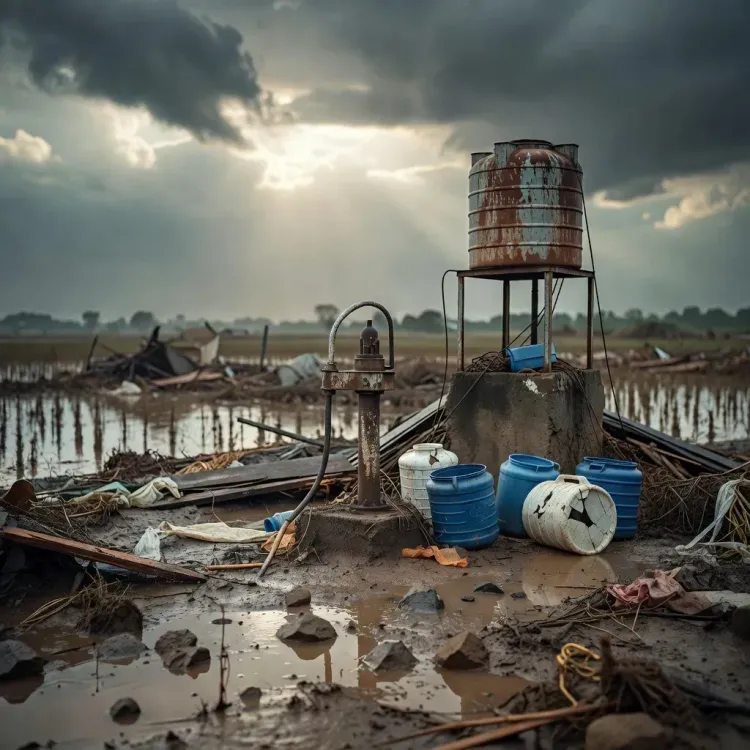
Repairing rural water supply is less dramatic than clearing roads or rebuilding homes — but it is often more urgent. Broken pipelines, contaminated borewells, and damaged overhead tanks can push communities toward unsafe sources, raising the risk of waterborne disease outbreaks in the days immediately following a cyclone. Ganjam alone has hundreds of piped-water schemes serving thousands of rural habitations, meaning the restoration workload after a significant storm can be enormous.
Concrete implementation updates — district-wise restoration targets, timelines, and any supplementary budget allocation for post-Arnab relief — are the numbers to watch as the response unfolds.
For Ganjam, Gajapati, and Kandhamal, the Chief Minister's message is unambiguous: clean water comes first. The pipes, and the people who depend on them, cannot wait.
Point of View
Tying state disaster recovery to a flagship national scheme. Odisha's recurrent cyclone exposure has made water-supply resilience a credible political battleground: the party that visibly restores taps fastest gains tangible electoral goodwill in rural southern districts. The post also serves as an implicit accountability signal to district administrations, using the Chief Minister's platform to accelerate field-level action. Whether the administration follows through with verifiable district-wise restoration data will determine whether this is an emergency response or optics.
NationPress
3 Nov 2026
Frequently Asked Questions
Which districts in Odisha were affected by Cyclone Arnab?
Ganjam , Gajapati , and Kandhamal in southern Odisha are the districts cited by CM Majhi as affected by Cyclone Arnab , with rural drinking water supply being a priority concern.
What is being done to restore drinking water in cyclone-hit Odisha?
CM Mohan Charan Majhi has announced that restoration of rural drinking water supply systems and provision of clean water is being prioritised in the three affected districts, likely under the Jal Jeevan Mission framework.
What is the Jal Jeevan Mission and how does it help after cyclones?
The Jal Jeevan Mission is a Central government scheme launched in 2019 to provide functional tap water connections to all rural households. It also serves as the infrastructure and funding framework within which states like Odisha restore water supply after cyclone damage.
Has Odisha done post-cyclone water restoration before?
Yes. After Cyclone Fani in 2019 , the Odisha government undertook a major restoration of rural water supply infrastructure, establishing protocols that now guide faster post-cyclone recovery.
Why is restoring drinking water urgent after a cyclone?
Broken pipelines and contaminated borewells push communities to unsafe water sources, raising the risk of waterborne disease outbreaks within days of a cyclone — making water restoration a critical first-response priority alongside road clearance and shelter.