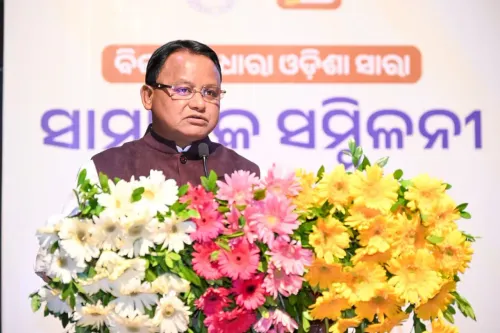
CM Majhi flags Odisha rice heritage at BIRC 2026, New Delhi
Synopsis
Odisha CM Mohan Charan Majhi celebrated the state's showcase of 15 rare and GI-tagged rice varieties at BIRC 2026 in New Delhi, crediting ORMAS and 3,700 farmers, while also highlighting simultaneous industrial outreach at India Chem 2026 in Mumbai as proof of his 'Samruddha Odisha' dual-track strategy.
Key Takeaways
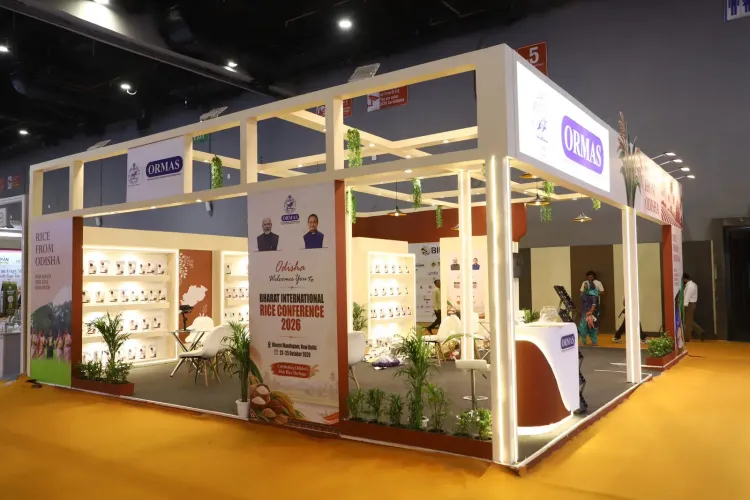
15 rare and nutritious rice varieties from Odisha — including GI-tagged Kalajeera, Lilabati, and Black Rice — were displayed at BIRC 2026 at Bharat Mandapam, New Delhi.
ORMAS coordinated participation of 85 community-based organisations from 8 Odisha districts and approximately 3,700 farmers , including women self-help groups.
Several varieties carry Geographical Indication (GI) tags under India's 1999 GI protection law, certifying their regional origin and traditional pedigree.
Simultaneously, Odisha was attracting industrial investment at India Chem 2026 in Mumbai , with CM Majhi framing the dual presence as the hallmark of his ' Samruddha Odisha ' vision.
CM Majhi publicly congratulated the farming community, women self-help groups, and the ORMAS team for the initiative.
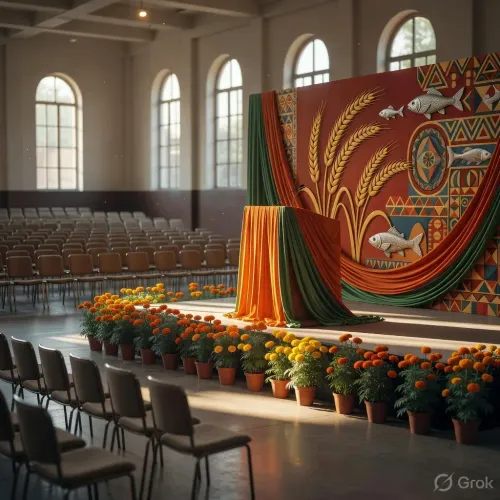
Fifteen rare and nutritious rice varieties — from the GI-tagged Kalajeera and fragrant Lilabati to Black Rice and Samrat — travelled from Odisha's paddy fields to the grand halls of Bharat Mandapam, New Delhi, turning the Bharat International Rice Conference (BIRC) 2026 into a showcase of the state's agricultural soul. Odisha Chief Minister Mohan Charan Majhi celebrated the moment on Friday, 23 October 2026, calling it a pride-filled occasion for the entire state.
ORMAS puts 3,700 Odisha farmers on a world stage
The exhibition was engineered by ORMAS — the Odisha Rural Development and Marketing Society — which mobilised 85 community-based organisations across 8 districts and brought the direct participation of roughly 3,700 farmers, including women empowered through self-help groups. CM Majhi described the initiative as 'yugantakari padakhepa' (a epoch-making step) that gave the tireless labour of farmer brothers and sisters a distinct identity on the world stage.
The varieties on display — Kalajeera, Lilabati, Mugei, Black Rice, Sarala, Sona Masuri, Puja, and Samrat among them — are not mere heritage curiosities. Several carry Geographical Indication (GI) tags under India's Geographical Indications of Goods (Registration and Protection) Act, 1999, a legal shield that certifies their regional origin and traditional pedigree. GI status is increasingly a market passport, signalling authenticity to premium buyers at home and abroad.
The twin-front strategy: paddy fields meet chemical plants
What made CM Majhi's post politically pointed was the contrast he drew — deliberately. Even as Odisha's fragrant rice was turning heads in New Delhi, the state's delegation was simultaneously courting global investors at India Chem 2026 in Mumbai, a major international chemical-industry conclave. Majhi framed the simultaneity as proof of concept: Odisha can chase industrial growth and protect farmer welfare in the same breath.
'The balance between industrial development and farmer welfare is the very foundation of our 'Samruddha Odisha' (Prosperous Odisha) resolve,' he wrote. The 'Samruddha Odisha' vision has been a recurring motif in Majhi's governance pitch since the BJP came to power in the state in 2024, threading together infrastructure investment, rural livelihoods, and heritage promotion into a single brand promise.
Why GI rice matters beyond the conference floor
Odisha is home to one of the world's most biodiverse rice ecosystems — thousands of indigenous varieties cultivated across its tribal belts and coastal plains for centuries. The push to GI-tag select varieties and market them through platforms like BIRC is part of a broader national pattern: states competing to convert traditional knowledge into traceable, exportable commodities that command a price premium. For the 3,700 farmers in the ORMAS network, the real test comes after the conference — whether buyer interest converts into sustained contracts, better farmgate prices, and expanded cultivation.
CM Majhi signed off with warm congratulations to the farmer community, the 'sashakta matru shakti' (empowered women's strength) of the self-help groups, and the ORMAS team that pulled it together.
The aroma of Odisha's fields reached the capital today — the harder work is ensuring it lingers long after the conference banners come down.
Point of View
He reinforces the BJP government's 'Samruddha Odisha' brand as genuinely inclusive rather than purely industry-led. The GI-rice angle is politically smart — heritage crop promotion is low-cost, high-visibility, and carries authentic rural-welfare optics that counter any perception of a government favouring large investors over small farmers. The ORMAS model — aggregating thousands of smallholders through self-help groups — also plugs into national priorities around rural enterprise and women's economic empowerment, lending the state's pitch a policy legitimacy that extends well beyond one conference.
NationPress
23 Oct 2026
Frequently Asked Questions
What is BIRC 2026 and where was it held?
BIRC 2026 refers to the Bharat International Rice Conference 2026, held at Bharat Mandapam in New Delhi. It is a platform for showcasing India's diverse rice heritage and connecting producers with national and global markets.
Which Odisha rice varieties were displayed at BIRC 2026?
Odisha presented 15 rare and nutritious rice varieties including GI-tagged Kalajeera, aromatic Lilabati, Mugei, Black Rice, Sarala, Sona Masuri, Puja, and Samrat, among others.
What is ORMAS and what role did it play?
ORMAS stands for Odisha Rural Development and Marketing Society. It coordinated the BIRC 2026 exhibit by organising 85 community-based groups from 8 districts and mobilising around 3,700 farmers, including women self-help groups.
What does a GI tag mean for Odisha rice varieties?
A Geographical Indication tag, protected under India's 1999 GI law, certifies that a product originates from a specific region and carries qualities tied to that origin. For Odisha rice varieties like Kalajeera, it acts as a market credential signalling authenticity and traditional heritage to premium buyers.
What is the 'Samruddha Odisha' vision CM Majhi referred to?
'Samruddha Odisha' means 'Prosperous Odisha' and is the overarching development vision of Chief Minister Mohan Charan Majhi's BJP government, which seeks to balance industrial investment with farmer welfare and rural heritage preservation.