CM Majhi Hails Odisha Youth Felicitated by PM Modi for AITT 2026
Synopsis
Odisha Chief Minister Mohan Charan Majhi congratulated four state ITI trainees — Abhijit Das, Supritee Mohapatra, Samida Begam and Sachin Kumar — felicitated by PM Narendra Modi for topping the All India Trade Test 2026, linking their success to the state's drive to modernise over 100 ITIs.
Key Takeaways
Abhijit Das , Supritee Mohapatra , Samida Begam , and Sachin Kumar from Odisha were felicitated by PM Narendra Modi for outstanding performance in the All India Trade Test 2026 .
CM Mohan Charan Majhi publicly congratulated all four awardees on 22 November 2026 .
The All India Trade Test is the national exit examination for trainees completing certificate courses at government Industrial Training Institutes (ITIs) .
Odisha has been pursuing modernisation of over 100 ITIs under central funding linked to the Skill India Mission and the National Policy for Skill Development and Entrepreneurship 2015 .
CM Majhi, Odisha's first BJP Chief Minister since June 2024 , has consistently highlighted ITI upgradation as a youth-employment priority.
PM Modi's felicitation of state toppers is a recurring recognition mechanism designed to raise the public prestige of vocational education.
Four young vocational trainees from Odisha stood in the national spotlight on Sunday, 22 November 2026, when Prime Minister Narendra Modi felicitated them for outstanding performance in the All India Trade Test 2026 — and Odisha Chief Minister Mohan Charan Majhi made sure the state heard about it.
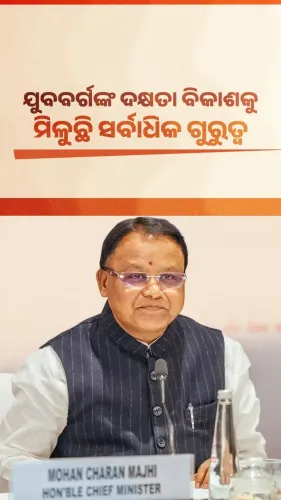
CM Majhi extended 'heartiest congratulations' to Abhijit Das, Supritee Mohapatra, Samida Begam, and Sachin Kumar — four names that now carry the weight of Odisha's vocational-education ambitions. The Chief Minister framed their recognition not merely as individual achievement but as evidence of a larger state mission: 'renewed focus on strengthening technical education, modernising ITIs and equipping youth with future-ready skills.'
What the All India Trade Test Actually Is
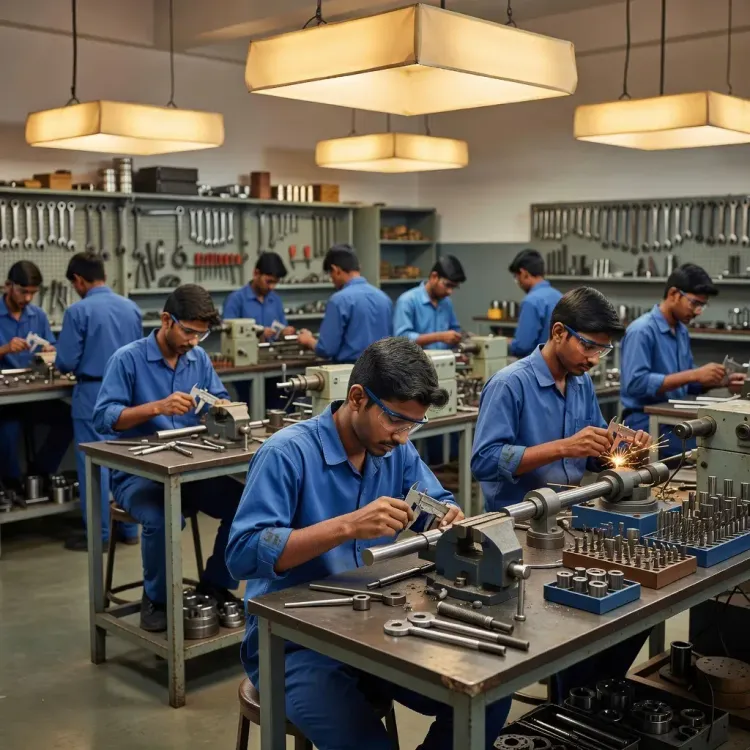
The All India Trade Test (AITT) is the annual national examination conducted for trainees completing certificate courses at government Industrial Training Institutes (ITIs) across India, administered by the Directorate General of Training. It is the finish line of the ITI system — the credential that determines whether a trainee is industry-ready in trades ranging from electrician and fitter to welder and information technology. Top performers across states draw prime-ministerial attention under the broader Skill India Mission framework, a recurring recognition mechanism designed to give vocational excellence the same public prestige as board-exam toppers once commanded.
Odisha's ITI Modernisation Drive
CM Majhi's congratulatory post is also a signal of political priority. Since taking office in June 2024 as Odisha's first BJP Chief Minister, Majhi has repeatedly flagged ITI upgradation as a cornerstone of his government's youth agenda. The state has been pursuing modernisation of over 100 ITIs — adding new trades, upgrading equipment, and improving instructor quality under central funding frameworks tied to the National Policy for Skill Development and Entrepreneurship 2015.
That policy push sits inside the larger Skill India Mission, launched in 2015 with the target of training hundreds of millions of Indians and aligning vocational courses with real manufacturing and services-sector demand. India's share of formally skilled workers has historically lagged peer economies — ITI reform is one of the primary levers both Delhi and state capitals are pulling to change that.
Four Names, One Bigger Story
What makes today's felicitation resonate beyond ceremony is its specificity. Abhijit Das, Supritee Mohapatra, Samida Begam, and Sachin Kumar are not abstract policy outcomes — they are trainees who sat an exam, outperformed peers nationwide, and were recognised by the country's Prime Minister. The Chief Minister called their success 'a reflection of the aspirations of our young talent,' and that framing is deliberate: a government pointing at faces, not just at schemes.
Watch for Odisha's next budget cycle to reveal how much of this political energy converts into rupees for ITI infrastructure — and whether placement data from state ITIs begins to match the ambition of the rhetoric.
Point of View
Associating vocational success with the Skill India framework also tightens the ideological alignment between Bhubaneswar and Delhi. The harder test will come when ITI placement rates and budget allocations are scrutinised, translating photo-opportunity recognition into measurable workforce outcomes. If Odisha's upgraded ITIs begin producing verifiable employment data, this celebratory post will look prescient; if not, it risks reading as ceremony without substance.
NationPress
22 Nov 2026
Frequently Asked Questions
Who are the Odisha students felicitated by PM Modi for the All India Trade Test 2026?
The four Odisha students felicitated by Prime Minister Narendra Modi for outstanding performance in the All India Trade Test 2026 are Abhijit Das, Supritee Mohapatra, Samida Begam, and Sachin Kumar.
What is the All India Trade Test (AITT)?
The All India Trade Test is an annual national examination conducted by the Directorate General of Training for trainees completing certificate courses at government Industrial Training Institutes (ITIs) across India. It is the primary credential that certifies a trainee's technical competency in a chosen trade.
What is Odisha's ITI modernisation plan?
The Odisha government has been pursuing upgradation of over 100 Industrial Training Institutes, introducing new trades, upgrading equipment, and improving instructor quality under central funding frameworks tied to the Skill India Mission and the National Policy for Skill Development and Entrepreneurship 2015.
When did Mohan Charan Majhi become Chief Minister of Odisha?
Mohan Charan Majhi became Chief Minister of Odisha in June 2024, becoming the state's first BJP Chief Minister.
What is the Skill India Mission and how does it relate to ITIs?
The Skill India Mission, launched in 2015, is a national programme aimed at scaling vocational training and aligning courses with industry requirements. ITIs are a core delivery mechanism under this mission, and PM Modi's felicitation of top AITT performers is a recurring public recognition event within this framework.