CM Majhi Launches 'Go East' Platform, Grants Thrust Status to 15 Districts
Synopsis
Chief Minister Mohan Majhi launched the 'Go East' platform at the CII Eastern Regional Council Summit 2026, unveiling industrial policy amendments that grant Thrust Sector status to 15 Odisha districts, including Bolangir and Kalahandi, to promote non-mineral industries and balanced regional development across eastern India.
Key Takeaways
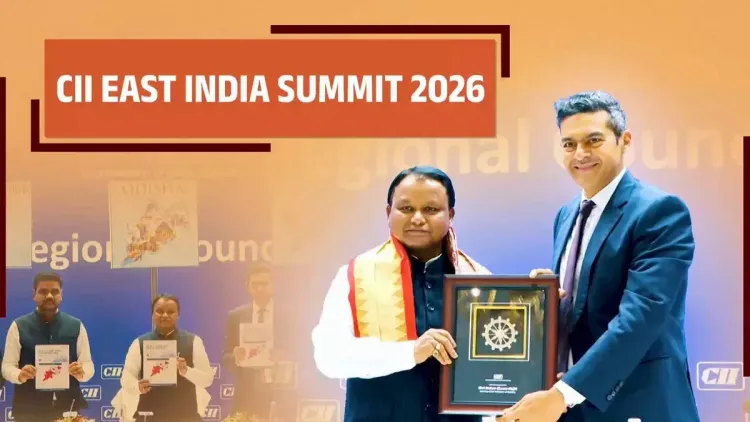
Chief Minister Mohan Charan Majhi unveiled the 'Go East' platform at the CII Eastern Regional Council Summit 2026 on 26 June 2026 .
Major amendments to Odisha's Industrial Policy were announced, granting 'Thrust Sector' status to 15 districts .
Bolangir and Kalahandi — historically underdeveloped western Odisha districts — are among those designated for thrust sector incentives.
The initiative focuses on promoting non-mineral-based industries to diversify Odisha's economy beyond its extractive sector.
The 'Go East' platform aims to create a new investment corridor targeting border districts and faster project implementation.
The move positions Odisha as a potential industrial growth engine for Eastern India , competing with established western and southern clusters.
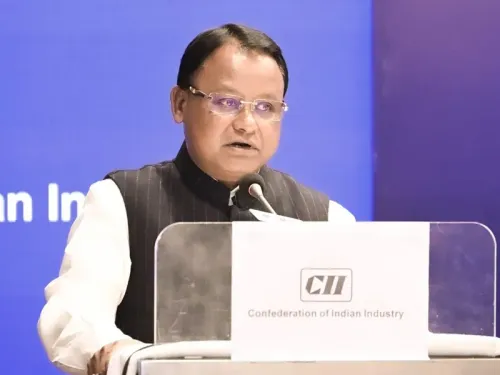
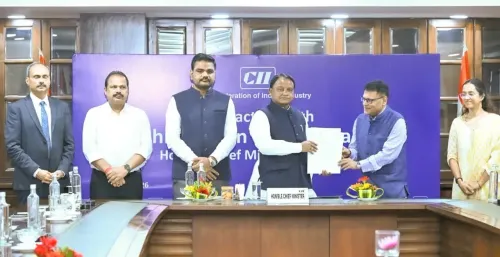
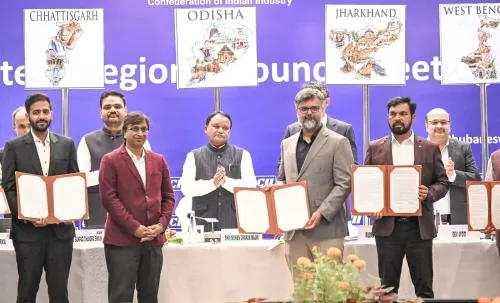
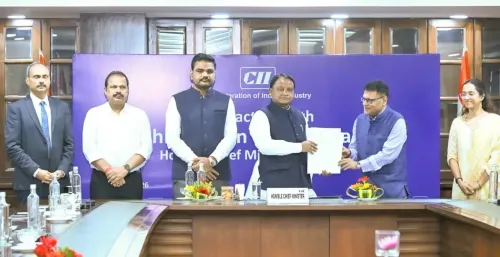
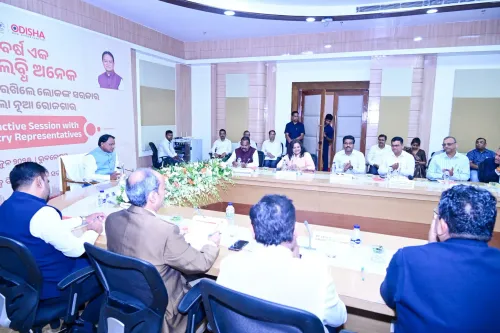
The Chief Minister's Office of Odisha announced on Friday, 26 June 2026, that Chief Minister Mohan Charan Majhi unveiled the 'Go East' platform at the CII Eastern Regional Council Summit 2026, a landmark initiative designed to accelerate industrial growth across Odisha and Eastern India. Alongside the platform launch, the Chief Minister announced major amendments to Odisha's Industrial Policy, granting 'Thrust Sector' status to 15 districts — including Bolangir and Kalahandi — to promote non-mineral-based industries and drive balanced regional development.
Context
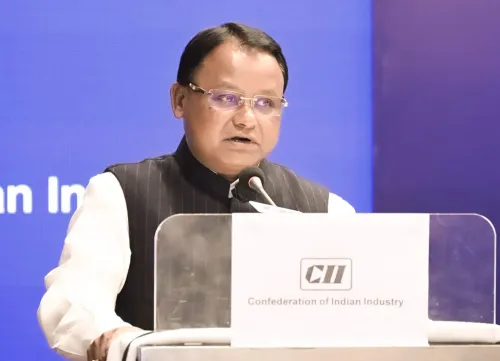
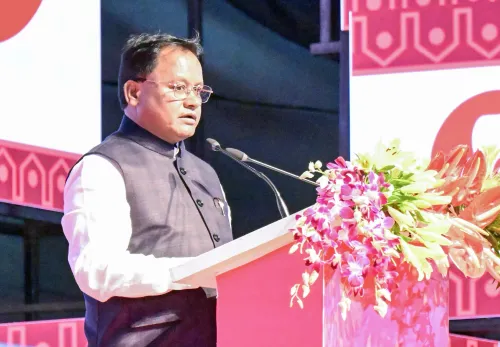
Speaking at the summit organised by the Confederation of Indian Industry (CII), Chief Minister Majhi described the 'Go East' initiative as creating 'a new growth corridor by strengthening investment, expanding industrial opportunities in border districts, and ensuring faster project implementation.' The announcement marks one of the most significant industrial policy moves by the BJP-led Odisha government since Majhi assumed office in June 2024 as the state's first BJP Chief Minister.
The CII Eastern Regional Council Summit serves as a key platform for industry leaders and state governments across eastern India to align on investment and policy priorities. Odisha's prominent participation signals its intent to position itself at the forefront of the region's economic agenda.
Policy Backdrop
The amendments to Odisha's Industrial Policy build on a lineage that includes the Industrial Policy Resolution 2015, which offered incentives for manufacturing and employment generation. The current revisions go further by carving out a dedicated 'Thrust Sector' category for 15 districts, with a specific emphasis on industries not dependent on the state's mineral wealth — a deliberate shift away from the extractive economy that has historically dominated Odisha's industrial profile.
Districts such as Bolangir and Kalahandi, located in western Odisha and historically among the state's more underdeveloped regions, are now explicitly targeted for industrial promotion. The move aligns with the national Make in India programme's push for states to streamline policies and attract both domestic and foreign investment into manufacturing.
Stakeholders and Impact
Industrial investors, particularly those in non-mineral sectors such as textiles, food processing, and light manufacturing, stand to benefit most directly from the new thrust sector designations. For Bolangir and Kalahandi — districts long associated with agrarian distress and outmigration — the policy shift offers a potential pathway to local employment and economic diversification.
The 'Go East' platform also carries a regional dimension, positioning Odisha as an investment gateway for the broader eastern India corridor. By targeting border districts for industrial expansion, the state aims to reduce the concentration of economic activity in coastal and mineral-belt regions and create more evenly distributed growth across its geography.
What's Next
Attention will now turn to the rollout of thrust sector incentives and the approval of the first projects under the 'Go East' framework during 2026-27. Subsequent investor summits and CII engagements are expected to serve as milestones for tracking actual investment commitments against the ambitions announced at the summit.
If the amended industrial policy translates into on-ground project approvals and employment generation in districts like Bolangir and Kalahandi, Odisha could credibly claim to have shifted the template for industrial development in eastern India — moving from a mineral-dependent model to a more diversified, regionally balanced growth engine.
Point of View
Odisha is staking a claim as the anchor of a new growth corridor. How quickly the first Go East project approvals materialise will determine whether this is a structural shift or a summit-season announcement.
NationPress
27 Jun 2026
Frequently Asked Questions
What is the 'Go East' platform launched by Odisha CM Mohan Majhi?
The 'Go East' platform is a new state initiative unveiled by Chief Minister Mohan Majhi at the CII Eastern Regional Council Summit 2026. It aims to create an investment corridor across Odisha and eastern India by expanding industrial opportunities in border districts, attracting non-mineral-based industries, and ensuring faster project implementation.
Which districts got Thrust Sector status under Odisha's new industrial policy?
Odisha's amended Industrial Policy grants 'Thrust Sector' status to 15 districts, with Bolangir and Kalahandi specifically named. The designation is aimed at promoting non-mineral-based industries and driving balanced regional development in historically underserved areas.
What is the CII Eastern Regional Council Summit 2026?
The CII Eastern Regional Council Summit 2026 is a forum organised by the Confederation of Indian Industry bringing together industry leaders and state governments from eastern India to discuss investment, policy, and regional economic growth priorities.
How does the Go East initiative help Bolangir and Kalahandi?
Bolangir and Kalahandi are historically underdeveloped western Odisha districts associated with agrarian distress and outmigration. Their inclusion as Thrust Sector districts opens them to state incentives for non-mineral industries, potentially creating local employment and diversifying their economies.
What is Odisha's new industrial policy amendment about?
The amendment to Odisha's Industrial Policy designates 15 districts as 'Thrust Sectors' with a focus on non-mineral-based industries. It is designed to reduce the state's dependence on its mineral economy, promote balanced regional development, and attract new categories of investors under the 'Go East' framework.