CM Majhi Meets Japanese Industry Delegation in Bhubaneswar
Synopsis
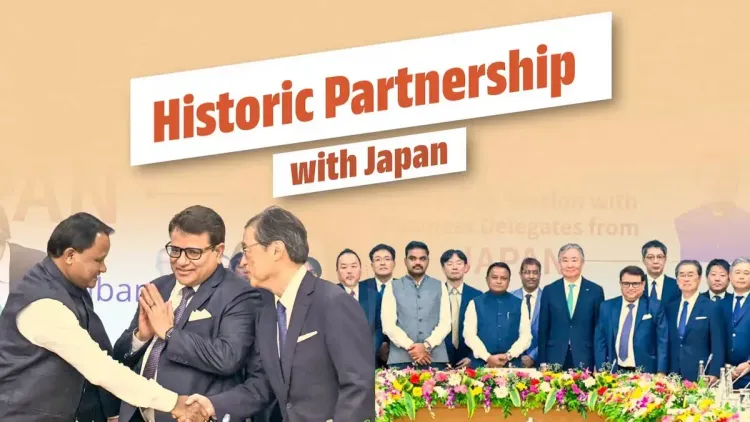
Odisha Chief Minister Mohan Charan Majhi hosted a delegation of Japanese industry leaders at Lokseva Bhawan on 3 July 2026, holding talks on investment, technology, and innovation to deepen the India-Japan economic partnership and attract capital to the state.
Key Takeaways
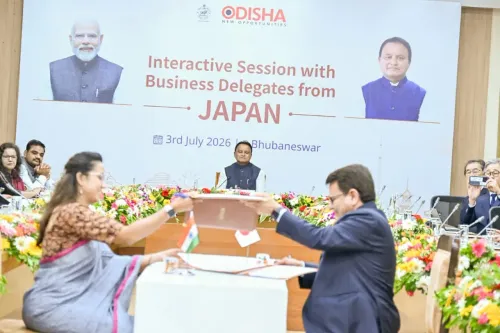
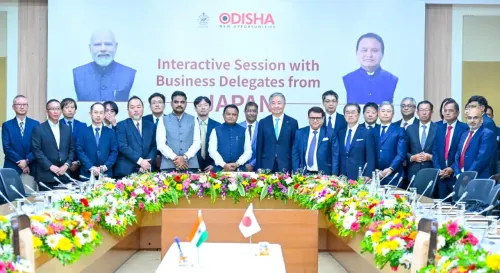
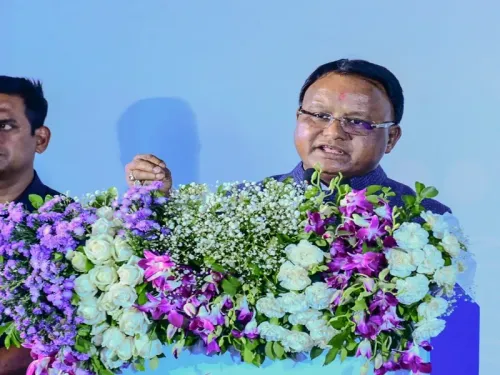
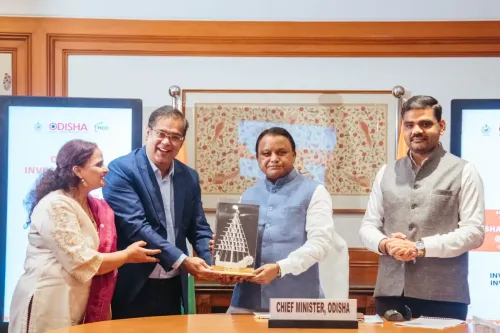
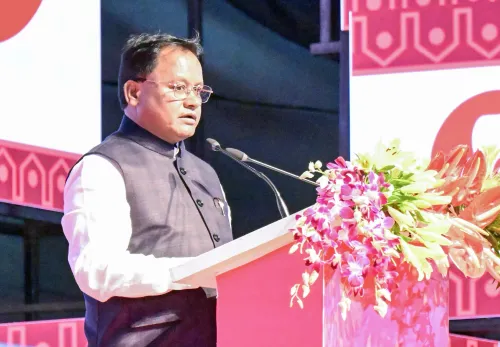
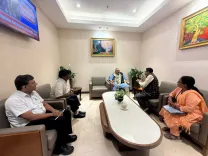
CM Mohan Charan Majhi met Japanese industry leaders at the Convention Center, Lokseva Bhawan, Bhubaneswar on 3 July 2026 .
Discussions covered investment, technology, innovation, and shared economic growth between Odisha and Japan.
The Chief Minister's Office tagged @PMOIndia , indicating Union-level coordination with the state's outreach.
The engagement aligns with India's Act East Policy and the India-Japan Comprehensive Economic Partnership Agreement of 2011 .
Odisha positions itself as an eastern manufacturing hub using its mineral resources, coastline, and power infrastructure as key draws for Japanese investors.
Follow-up MoUs and investment commitments are the key outcomes to watch in the coming months.
Chief Minister Mohan Charan Majhi of Odisha met a delegation of Japanese industry leaders at the Convention Center, Lokseva Bhawan, Bhubaneswar, on 3 July 2026, in a high-level engagement focused on investment, technology, and bilateral economic cooperation. The Chief Minister's Office confirmed the meeting through an official post tagging the Prime Minister's Office, signalling national-level coordination.
Context
The meeting brought together Japanese industry leaders and CM Majhi to explore avenues of collaboration spanning investment, technology transfer, and innovation. The Chief Minister's Office stated that the discussions 'reaffirm Odisha's commitment to strengthening economic ties with Japan and fostering new avenues of collaboration.' The deliberate tagging of @PMOIndia underlines that the outreach is aligned with the Union government's broader foreign economic engagement framework.
Policy Backdrop
India and Japan formalised their trade relationship through the India-Japan Comprehensive Economic Partnership Agreement of 2011, which liberalised bilateral trade and opened channels for Japanese foreign direct investment across Indian states. Odisha has pursued Japanese capital through successive industrial policy frameworks, including the Odisha Industrial Policy Resolution 2015, targeting sectors such as metals, petrochemicals, and port-based industries. Under India's Act East Policy, state governments have been empowered to conduct their own economic diplomacy with East and Southeast Asian partners, and Odisha has been an active participant in this decentralised model.
CM Majhi, who assumed office in June 2024 following the BJP's victory in the state assembly elections, has made industrial growth and external investment central pillars of his administration. Odisha's mineral wealth, extended coastline, and power infrastructure give it a competitive pitch to Japanese manufacturers seeking diversified supply-chain footholds in eastern India.
Stakeholders and Impact
Japanese investors exploring opportunities in advanced manufacturing, infrastructure, and technology stand to benefit from any agreements that may emerge from the dialogue. For Odisha's industrial sector, Japanese capital and technology transfer could accelerate modernisation in sectors where the state already holds natural-resource advantages. The engagement also carries symbolic weight for local employment and the state's ambition to position itself as an eastern industrial hub.
The involvement of the Prime Minister's Office — referenced in the official post — suggests that any follow-up commitments will be tracked at the national level, reinforcing the idea that sub-national economic diplomacy is increasingly integrated into India's overall foreign investment strategy.
What's Next
The immediate focus will be on whether the 3 July discussions translate into formal Memoranda of Understanding, technology-transfer agreements, or concrete investment commitments in the months ahead. Observers of India-Japan economic ties typically watch for such outcomes within a six-to-twelve-month window following delegation-level meetings. Any announcements will be significant for Odisha's positioning ahead of future investor summits and for the broader India-Japan economic partnership.
Point of View
Still consolidating his economic agenda after taking office in mid-2024, a high-profile Japanese delegation visit serves as both a substantive investment push and a political signal of governance ambition. The deliberate tagging of the Prime Minister's Office suggests Odisha is keen to ensure its bilateral outreach is visible at the Centre, potentially positioning the state for preferential support in national-level Japan-linked infrastructure corridors. Whether the dialogue yields binding commitments will be the real test of this diplomatic momentum.
NationPress
3 Jul 2026
Frequently Asked Questions
Why did Odisha CM Mohan Majhi meet Japanese industry leaders?
CM Mohan Majhi met Japanese industry leaders on 3 July 2026 to discuss investment, technology transfer, and innovation opportunities in Odisha, deepening the India-Japan economic partnership under the national Act East Policy framework.
Where was the Odisha-Japan industry meeting held?
The meeting was held at the Convention Center inside Lokseva Bhawan, the state secretariat complex in Bhubaneswar, Odisha.
What is Odisha's relationship with Japanese investment?
Odisha has actively courted Japanese investment since the India-Japan Comprehensive Economic Partnership Agreement of 2011, targeting sectors such as metals, petrochemicals, and port-based industries through successive industrial policy frameworks.
What is India's Act East Policy and how does Odisha fit in?
Act East Policy is India's strategic outreach to East and Southeast Asian nations, encouraging state governments to attract FDI independently. Odisha leverages its mineral resources, coastline, and power availability to position itself as an eastern hub for Japanese capital.
What outcomes are expected from the Odisha-Japan delegation meeting?
Concrete outcomes such as Memoranda of Understanding, technology-transfer agreements, or investment commitments are typically expected within six to twelve months of such delegation-level engagements.