Sonowal visits Maersk Saksham Warehouse, hails women in logistics
Synopsis
Union Minister Sarbananda Sonowal visited Maersk's women-run Saksham Warehouse at ICD Dadri on 3 July 2026, praising it as a Nari Shakti model for India's maritime logistics sector and signalling possible policy momentum for gender inclusion across inland container depots.
Key Takeaways
Union Minister Sarbananda Sonowal visited Maersk's Saksham Warehouse at ICD Dadri, Uttar Pradesh on 3 July 2026 .
The warehouse is operated entirely by women, making it a visible gender-inclusion initiative in India's logistics sector.
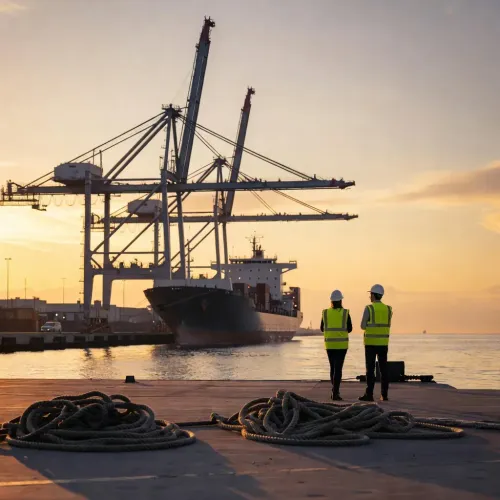
ICD Dadri is a major multimodal container depot serving the National Capital Region .
The visit aligns with policy frameworks including the Sagarmala Project (2015) , PM Gati Shakti (2021) , and the National Logistics Policy (2022) .
Sonowal called the facility a 'great example of Nari Shakti strengthening India's maritime logistics and supply chains.' The model may inform future women-centric skilling or warehousing initiatives at other ICDs and ports.
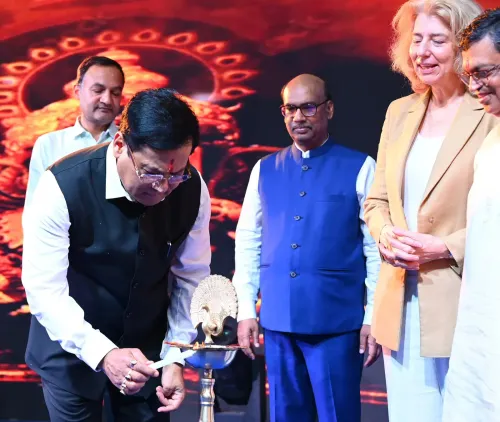
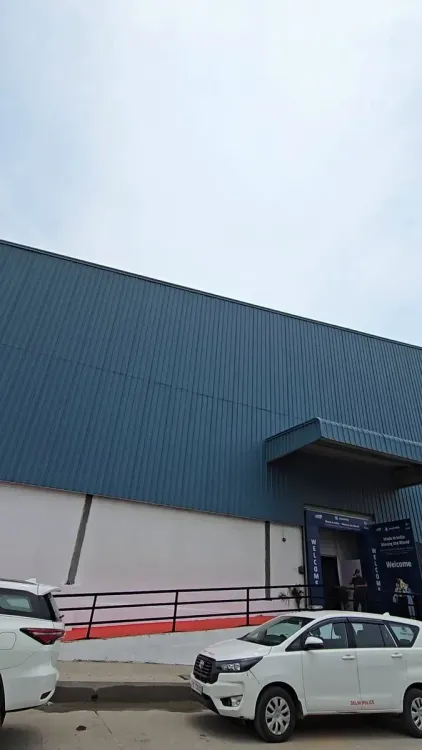
Union Minister of Ports, Shipping and Waterways Sarbananda Sonowal on Friday, 3 July 2026, visited Maersk's Saksham Warehouse at ICD Dadri, Uttar Pradesh, interacting with the women workforce running the facility and calling it a 'great example of Nari Shakti strengthening India's maritime logistics and supply chains.'
Context
The Saksham Warehouse at ICD Dadri — one of the largest inland container depots serving the National Capital Region — is operated by Maersk, the Danish global shipping and logistics major with deep warehousing and container operations across India. The facility is staffed by women, representing a visible push toward gender inclusion in a sector historically dominated by men.
Minister Sonowal's visit drew attention to the intersection of two policy priorities: expanding India's inland logistics infrastructure and broadening workforce participation in maritime supply chains. He described the interaction with the women running the warehouse as 'inspiring.'
Policy Backdrop
The visit sits within a layered policy architecture. The Sagarmala Project, launched in 2015, set the foundation for port-led development and inland logistics connectivity, with ICDs like Dadri serving as critical nodes in multimodal freight networks. The National Logistics Policy, notified in 2022, built on this by targeting lower logistics costs and tighter integration of warehousing and container depots into national supply chains.
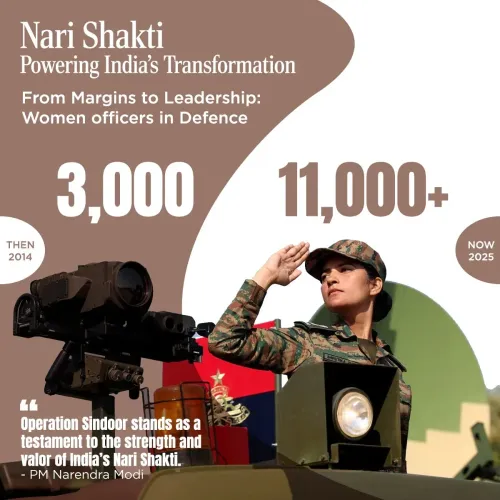
The PM Gati Shakti National Master Plan, unveiled in 2021, further coordinates infrastructure investment across ministries to eliminate bottlenecks in freight movement. Gender-focused skilling and employment initiatives have increasingly been layered onto these frameworks, reflecting a broader government emphasis on Nari Shakti — women's empowerment — as a cross-sectoral development theme.
Stakeholders and Impact
Maersk's decision to run a women-staffed warehouse at a high-throughput logistics hub like ICD Dadri signals a shift in industry practice, offering a replicable model for other logistics firms operating at ports and ICDs across the country. For the women employed there, the facility represents access to formal employment in a sector that has traditionally offered limited entry points for women workers.
The Ministry of Ports, Shipping and Waterways has a direct stake in scaling such models: a more diverse workforce broadens the labour pool available to an industry under pressure to handle growing freight volumes efficiently. Supply chain firms, port operators, and skilling agencies are among those watching whether the Dadri model translates into wider policy or programmatic support.
What's Next
The minister's public endorsement of the Saksham Warehouse model raises the prospect of similar women-centric warehousing or skilling initiatives being encouraged at other ICDs and major ports under the Sagarmala and Gati Shakti umbrellas. Upcoming logistics and maritime policy updates may reference gender inclusion benchmarks more explicitly as the government seeks to align workforce development with infrastructure expansion goals.
With India's logistics sector targeted for significant capacity addition over the next decade, the integration of women into supply-chain operations — at scale — could become a measurable policy output rather than a showcase initiative.
Point of View
The Ministry of Ports, Shipping and Waterways signals that workforce diversity is now part of the logistics modernisation agenda, not an afterthought. The move also gives Maersk visible ministerial endorsement, creating incentives for other global logistics firms operating in India to adopt comparable models. If the government follows through with measurable targets or scheme linkages, this could mark a meaningful inflection point; if it remains a photo opportunity, the pattern of symbolic gestures without structural follow-through will persist.
NationPress
3 Jul 2026
Frequently Asked Questions
What is Maersk's Saksham Warehouse at ICD Dadri?
Maersk's Saksham Warehouse at ICD Dadri is a logistics facility at the Inland Container Depot in Dadri, Uttar Pradesh, that is operated by a women workforce. Union Minister Sonowal visited it on 3 July 2026 and described it as a model of Nari Shakti in maritime supply chains.
What is ICD Dadri and why is it important?
ICD Dadri is one of India's largest Inland Container Depots, located in Uttar Pradesh and serving the National Capital Region. It functions as a key node in the country's multimodal freight and container logistics network.
What is the Sagarmala Project?
The Sagarmala Project, launched in 2015, is a central government initiative to modernise ports, develop inland waterways, and improve logistics connectivity across India. It provides the policy foundation for infrastructure upgrades at facilities like ICD Dadri.
How does the National Logistics Policy relate to women in supply chains?
The National Logistics Policy, notified in 2022, aims to lower logistics costs and integrate warehousing and ICDs into national supply chains. Gender-focused employment initiatives have been layered onto this framework as the government promotes broader workforce participation in logistics.
What could follow from Sonowal's visit to the Saksham Warehouse?
The minister's endorsement could encourage similar women-centric warehousing or skilling programmes at other ICDs and ports. Future logistics or maritime policy updates may include explicit gender inclusion benchmarks linked to existing schemes like Sagarmala and PM Gati Shakti.