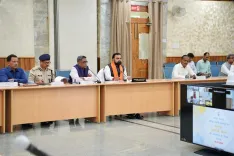
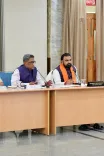
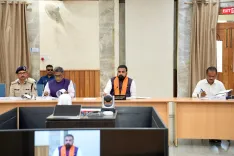
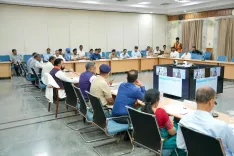
CM Fadnavis Chairs Meet on Pawana Water Pipeline for Pune Region
Synopsis
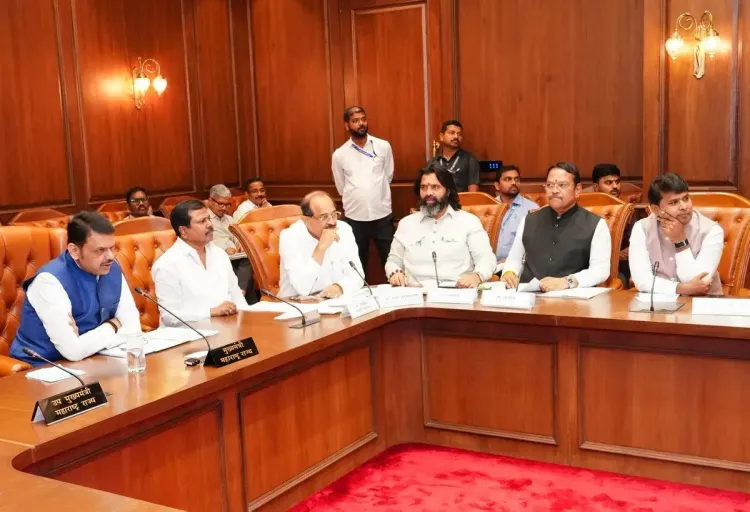
Maharashtra CM Devendra Fadnavis chaired a Mumbai meeting on July 3, 2026, to push forward the Pawana Direct Parallel Water Pipeline Project for Pimpri-Chinchwad, directing officials to prepare a comprehensive Pune Metropolitan Region water plan up to 2050 while stressing farmer consensus.
Key Takeaways
Devendra Fadnavis chaired a meeting in Mumbai on July 3, 2026 on the Pawana Direct Parallel Water Pipeline Project .
The project is designed to meet the long-term water needs of Pimpri-Chinchwad in the Pune Metropolitan Region .
Fadnavis stressed that the project will advance only through 'trust, consensus and continuous dialogue with farmers.' Officials were directed to prepare a comprehensive water resource management plan for the Pune Metropolitan Region up to 2050 .
Wastewater treatment and reuse were highlighted as priorities for achieving long-term water sustainability.
Deputy Speaker Anna Bansode , Minister Radhakrishna Vikhe Patil , and MP Shrirang Appa Barne attended the meeting.
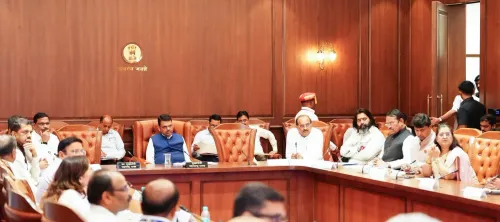
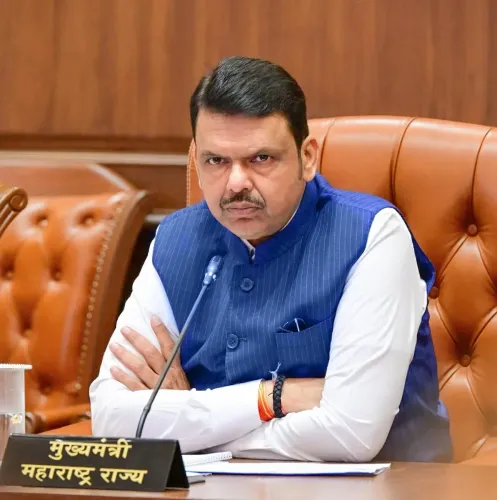
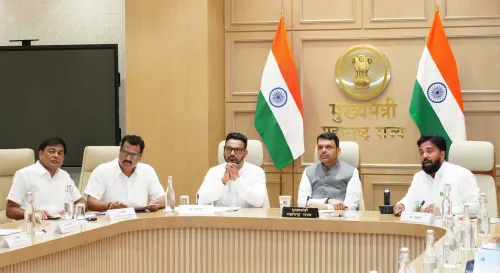
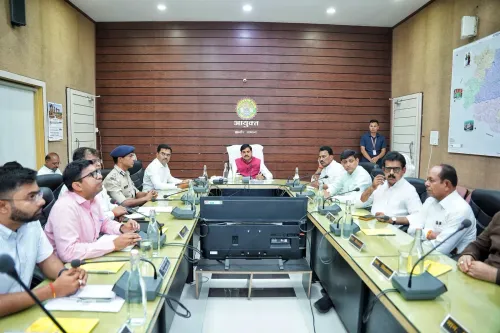
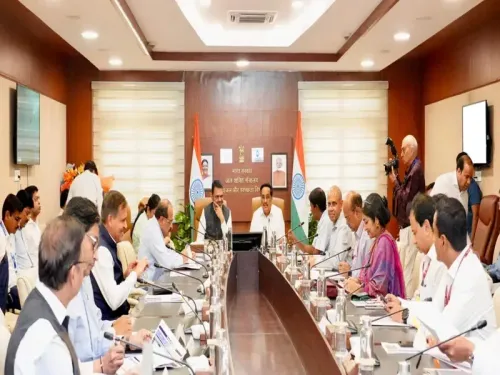
Maharashtra Chief Minister Devendra Fadnavis on Friday, July 3, 2026, chaired a high-level meeting in Mumbai to advance the Pawana Direct Parallel Water Pipeline Project, a critical infrastructure initiative aimed at securing long-term water supply for Pimpri-Chinchwad and the broader Pune Metropolitan Region.
Context
Fadnavis stated that the project will move forward only through 'trust, consensus and continuous dialogue with farmers,' underlining that 'the voice of every farmer matters and every decision will reflect deep respect for their concerns and sentiments.' The emphasis on farmer consultation signals that land access through agricultural areas remains a key challenge for the pipeline's alignment and execution.
The meeting was attended by Legislative Assembly Deputy Speaker Anna Bansode, Minister Radhakrishna Vikhe Patil, Member of Parliament Shrirang Appa Barne, along with several MLAs and senior government officials, indicating the political weight assigned to the project.
Policy Backdrop
The Pawana Direct Parallel Water Pipeline Project is designed to augment water supply from the Pawna dam to Pimpri-Chinchwad, one of Maharashtra's fastest-growing industrial and residential hubs within the Pune Metropolitan Region. The city has faced mounting water stress as its population has expanded rapidly in recent decades.
Maharashtra governments have pursued multiple phases of raw water pipelines and dam linkages for the Pune region since the early 2000s, repeatedly navigating the challenge of securing land access through rural and agricultural corridors. Wastewater treatment and reuse have also featured in state and national water policy frameworks as a necessary complement to new supply infrastructure.
Fadnavis on Friday directed officials to prepare a 'comprehensive long-term water resource management plan for the entire Pune Metropolitan Region up to 2050,' and specifically emphasised that 'wastewater treatment and reuse must be prioritised to achieve long-term water sustainability and resilience.'
Stakeholders and Impact
Farmers whose land falls along the proposed pipeline route are the most immediately affected stakeholders, and the Chief Minister's repeated references to dialogue and transparency are directed squarely at this constituency. Any land acquisition or right-of-way process will require their cooperation for the project to proceed without legal or political delays.
Pimpri-Chinchwad residents and urban planners stand to benefit significantly from the project's completion, as the city's current water infrastructure has struggled to keep pace with residential and industrial expansion. The broader Pune Metropolitan Region — encompassing multiple municipal bodies and rapidly expanding townships — is the intended beneficiary of the proposed 2050 water plan.
What's Next
The immediate deliverable from Friday's meeting is the preparation of a comprehensive water resource management plan for the Pune Metropolitan Region up to 2050, which officials have been directed to produce. Structured farmer consultations and formal dialogue mechanisms are also expected to follow before any ground-level execution begins on the pipeline.
With residential settlements expanding rapidly across Maharashtra, the Pawana pipeline project and the accompanying long-term plan will serve as a test case for the state government's ability to balance urban infrastructure demands with the rights and concerns of farming communities — a tension that has defined water politics in the Pune region for over two decades.
Point of View
His administration is framing an incremental infrastructure project within a larger, more politically defensible vision of long-term resource planning. The inclusion of senior legislators and an MP from the affected constituency signals that the government is treating this as a politically sensitive project requiring broad coalition management, not merely a technical exercise. Whether the farmer consultation process translates into formal agreements or remains aspirational will determine whether this project breaks the cycle of delayed water infrastructure in the Pune Metropolitan Region.
NationPress
3 Jul 2026
Frequently Asked Questions
What is the Pawana Direct Parallel Water Pipeline Project?
The Pawana Direct Parallel Water Pipeline Project is a proposed infrastructure initiative to augment water supply from the Pawna dam to Pimpri-Chinchwad , addressing the city's growing water demand driven by rapid residential and industrial expansion within the Pune Metropolitan Region .
Why did CM Fadnavis hold a meeting on the Pawana pipeline project?
Maharashtra Chief Minister Devendra Fadnavis chaired the meeting in Mumbai on July 3, 2026 to review the project's progress, emphasise farmer consultation as a prerequisite for execution, and direct officials to prepare a long-term water plan for the Pune Metropolitan Region up to 2050 .
How does the Pawana pipeline project affect farmers?
Farmers whose land falls along the proposed pipeline route are directly affected, as the project requires land access through agricultural areas. Fadnavis stressed that the project will proceed only through 'trust, consensus and continuous dialogue with farmers,' and that every farmer's voice will be respected.
What is the Pune Metropolitan Region water plan up to 2050?
Fadnavis directed officials on July 3, 2026 to prepare a comprehensive long-term water resource management plan covering the entire Pune Metropolitan Region up to 2050 , with a specific emphasis on wastewater treatment and reuse as pillars of long-term sustainability.
Who attended the Pawana water pipeline meeting in Mumbai?
The meeting was attended by Legislative Assembly Deputy Speaker Anna Bansode , Minister Radhakrishna Vikhe Patil , MP Shrirang Appa Barne , several MLAs, and senior government officials, alongside Chief Minister Devendra Fadnavis who chaired the session.