CM Nitish Orders Strict Vigil on Bihar-Nepal Border
Synopsis
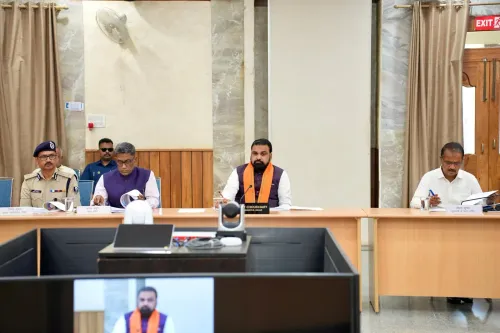
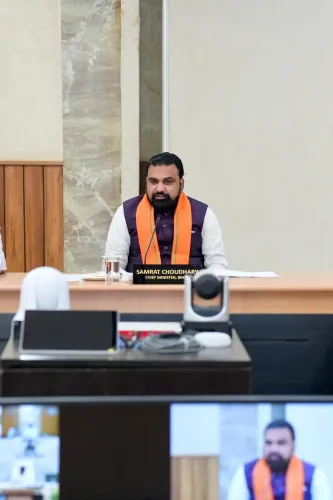
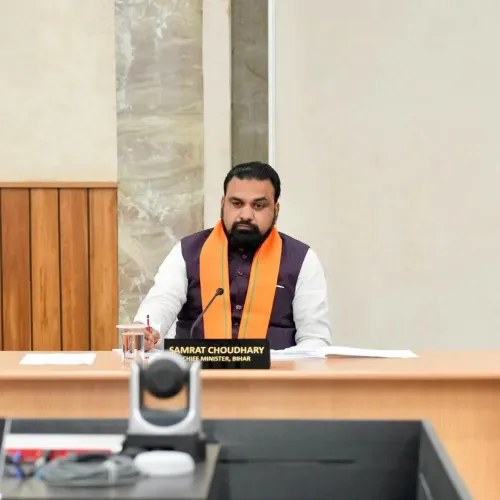
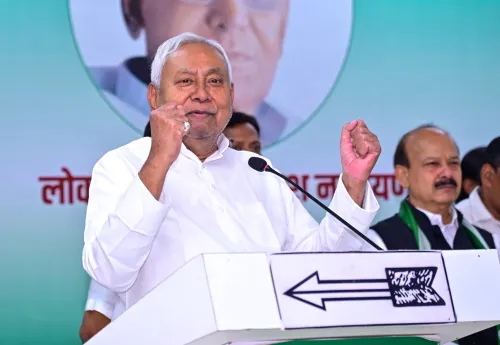
Chief Minister Nitish Kumar on 3 July 2026 chaired a video-conference review with District Magistrates and SPs of Bihar's seven Nepal-border districts, directing strict surveillance against illegal activities, economic offences, and smuggling along the India-Nepal frontier.
Key Takeaways
The Chief Minister's Office of Bihar held a high-level review meeting on 3 July 2026 chaired by CM Nitish Kumar .
District Magistrates and Superintendents of Police from all seven Bihar-Nepal border districts participated via video conferencing.
CM Nitish Kumar issued clear directives to maintain strict surveillance on illegal activities, economic offences, and smuggling along the India-Nepal border.
The seven border districts are West Champaran, East Champaran, Sitamarhi, Madhubani, Supaul, Araria , and Kishanganj .
The India-Nepal border spans approximately 1,751 km and operates under the open-border regime of the 1950 Treaty of Peace and Friendship .
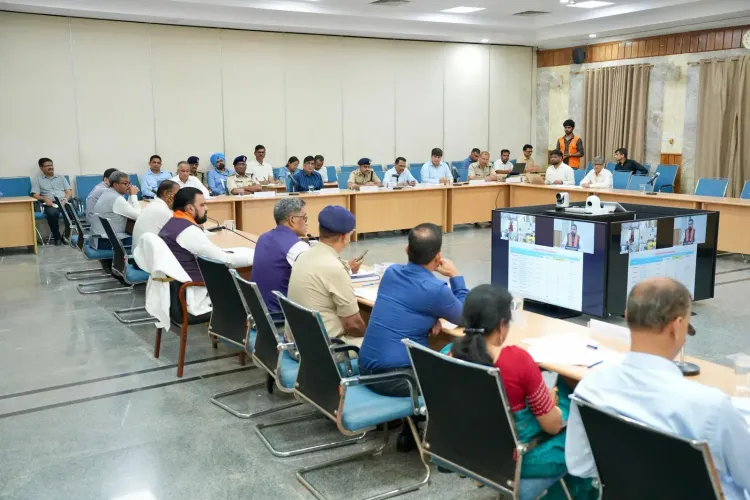
The Chief Minister's Office of Bihar announced on Friday, 3 July 2026 that Chief Minister Nitish Kumar chaired a high-level review meeting in which he issued clear directives to officials to maintain strict surveillance on illegal activities, economic offences, and smuggling along the India-Nepal border.
District Magistrates and Superintendents of Police from the seven border districts joined the meeting via video conferencing. The Chief Minister's Office stated that CM Nitish Kumar gave unambiguous instructions — 'gayr-kanooni gatividhiyon, aarthik aparadhon tatha taskaari par kadi nigrani rakhi jaye' ('strict surveillance must be maintained on illegal activities, economic offences, and smuggling') — underscoring the state government's intent to tighten enforcement without delay.
Context
The meeting brought together senior district administration and police leadership from West Champaran, East Champaran, Sitamarhi, Madhubani, Supaul, Araria, and Kishanganj — the seven Bihar districts that share a boundary with Nepal. The video-conferencing format allowed simultaneous engagement with all border districts, signalling the urgency the state government attaches to cross-border enforcement.Policy Backdrop
The India-Nepal border stretches approximately 1,751 km and operates under an open regime established by the 1950 Treaty of Peace and Friendship, which guarantees visa-free movement and residence rights to citizens of both nations. While the arrangement underpins deep trade and people-to-people ties, it also creates enforcement challenges. The porous frontier has historically been associated with smuggling of goods, counterfeit currency, narcotics, and other contraband. Bihar's seven adjoining districts are a critical segment of this frontier, and state-level coordination reviews of this kind form a recurring part of the governance calendar.Stakeholders and Impact
District Magistrates and Superintendents of Police are the primary implementers of the directives issued by CM Nitish Kumar. Their presence in the meeting — even via video link — signals that accountability has been placed squarely at the district level. Residents of border communities, local traders engaged in legitimate cross-border commerce, and central security agencies operating in the region are all stakeholders in how these instructions translate into ground-level action. Tighter surveillance, if implemented effectively, is expected to disrupt smuggling networks while the open-border framework itself remains intact.What's Next
The Bihar government is expected to monitor compliance through follow-up reviews with district officials. Observers will watch for any coordinated operations between state police and central agencies such as the Sashastra Seema Bal (SSB), which has primary responsibility for guarding the India-Nepal border. The effectiveness of these directives will ultimately depend on sustained inter-agency coordination and consistent field-level enforcement across all seven border districts.Point of View
Particularly ahead of or following periods of heightened cross-border tension. The explicit mention of 'economic offences' alongside smuggling suggests the administration is alive to the financial dimensions of border crime, not merely contraband flows. Whether the directive translates into measurable enforcement outcomes will depend on sustained follow-through and coordination with central border-guarding forces.
NationPress
4 Jul 2026
Frequently Asked Questions
Why did CM Nitish Kumar hold a meeting on Bihar-Nepal border security?
CM Nitish Kumar convened the meeting on 3 July 2026 to issue direct instructions to district officials in Bihar's seven Nepal-border districts to strengthen surveillance against smuggling, illegal activities, and economic offences along the India-Nepal frontier.
Which districts in Bihar share a border with Nepal?
Seven Bihar districts share a border with Nepal: West Champaran, East Champaran, Sitamarhi, Madhubani, Supaul, Araria, and Kishanganj.
What is the India-Nepal open border and why is it hard to police?
The India-Nepal border spans approximately 1,751 km and operates under the 1950 Treaty of Peace and Friendship, which allows visa-free movement for citizens of both countries. This open regime, while supporting trade and people-to-people ties, creates enforcement challenges around smuggling and cross-border crime.
What specific orders did Nitish Kumar give to border district officials?
CM Nitish Kumar directed District Magistrates and Superintendents of Police to maintain strict surveillance on illegal activities, economic offences, and smuggling along the India-Nepal border.
Who is responsible for guarding the India-Nepal border?
The Sashastra Seema Bal (SSB) is the central agency primarily responsible for guarding the India-Nepal border, while state police in Bihar districts like West Champaran and Kishanganj handle ground-level law enforcement in coordination with central forces.