CM Majhi: Odisha flood relief ops ongoing to restore normalcy

Synopsis
Odisha Chief Minister Mohan Charan Majhi confirmed on 4 November 2026 that state relief and assistance operations in flood-affected areas are ongoing, with the goal of restoring normal life for displaced communities across the state's vulnerable river-basin districts.
Key Takeaways
CM Mohan Charan Majhi posted on 4 November 2026 confirming active flood relief and assistance operations in affected areas of Odisha .
The stated government objective is restoring normal daily life in flood-hit communities.
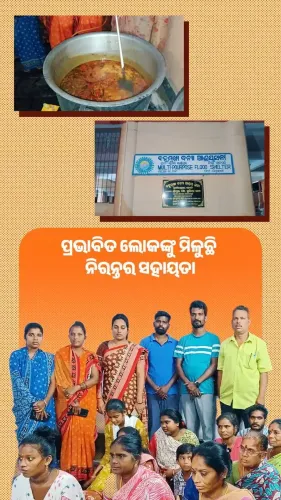
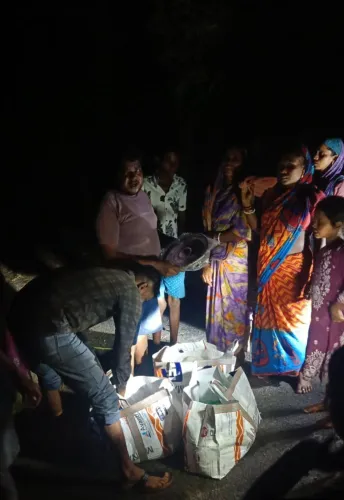
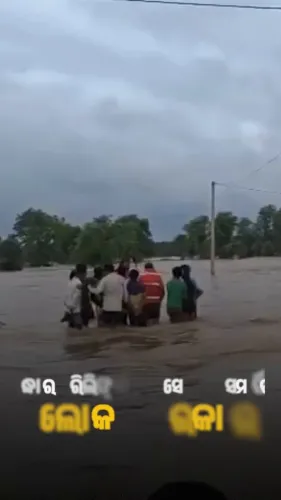
The post was accompanied by a video showing ground-level relief activity.
Odisha operates flood relief through the State Disaster Management Authority (SDMA) and State Disaster Response Fund (SDRF) , frameworks in place since the early 2000s.
District-wise damage assessments by the Revenue and Disaster Management Department are the key next metric to watch for any additional relief package.
Flood-hit communities across Odisha are still waiting for life to return to normal — and Odisha Chief Minister Mohan Charan Majhi has signalled on Wednesday, 4 November 2026 that the state government's relief and assistance operations remain firmly in motion.
Posting in Odia, the Chief Minister stated: 'ବନ୍ୟା ପ୍ରଭାବିତ ଅଞ୍ଚଳରେ ଜନଜୀବନକୁ ପୁଣି ସ୍ୱାଭାବିକ କରିବା ଲକ୍ଷ୍ୟରେ ସରକାରଙ୍କ ପକ୍ଷରୁ ରିଲିଫ୍ ଓ ସହାୟତା କାର୍ଯ୍ୟ ଜାରି ରହିଛି।' — 'With the aim of restoring normal life in flood-affected areas, relief and assistance work by the government is ongoing.' The post was accompanied by a video, underscoring the administration's effort to show ground-level response in action.
Odisha's flood-prone heartland and the relief machinery
Odisha sits at the receiving end of some of India's most punishing seasonal flooding, with the Mahanadi and Brahmani river basins regularly inundating low-lying districts during the southwest monsoon cycle. The state's vulnerability is well-documented — and so is its institutional response. Since the early 2000s, successive administrations have channelled relief through the State Disaster Management Authority (SDMA) and the State Disaster Response Fund (SDRF), deploying ex-gratia payments, temporary shelters, and restoration of essential civic services.
CM Majhi, who assumed office in June 2024 after the BJP's assembly election victory, is now navigating this annual high-stakes cycle. The post-flood restoration phase — when displaced families return home and damaged infrastructure needs rapid repair — is often the hardest stretch to manage. It demands sustained administrative bandwidth long after the cameras have moved on.
What the district-level picture will reveal
The immediate next signal to watch: district-wise damage assessments from the state's Revenue and Disaster Management Department. Those figures will determine the scale of any additional relief package. For the families in affected areas, the numbers translate directly into whether a rebuilt embankment holds next season, whether a child returns to school next week, or whether a small farmer can replant before the rabi window closes.
Odisha has built a reputation over two decades for its disaster-response architecture. The question now is whether that machinery can compress the gap between the flood's retreat and genuine normalcy for every last affected household.
Point of View
And Majhi is leaning on that legacy architecture while trying to establish his own administrative stamp. The real test is whether the BJP government can sustain the same operational tempo built by its predecessors, particularly in translating SDRF disbursements into visible, rapid community recovery before district-level grievances consolidate into political liability.
NationPress
4 Nov 2026
Frequently Asked Questions
What did Odisha CM Mohan Charan Majhi say about flood relief?
CM Majhi stated on 4 November 2026 that the state government's relief and assistance work in flood-affected areas is ongoing, with the aim of restoring normal life for residents.
Which areas of Odisha are most vulnerable to flooding?
Districts along the Mahanadi and Brahmani river basins in eastern Odisha are historically most prone to seasonal flooding during the southwest monsoon.
How does Odisha manage flood relief operations?
Odisha channels flood relief through the State Disaster Management Authority (SDMA) and the State Disaster Response Fund (SDRF), mechanisms in place since the early 2000s, covering ex-gratia payments, temporary shelters, and restoration of civic services.
When did Mohan Charan Majhi become Chief Minister of Odisha?
Mohan Charan Majhi became Chief Minister of Odisha in June 2024 following the BJP's victory in the state assembly elections.
What comes next after Odisha's flood relief announcement?
District-wise damage assessments by the state Revenue and Disaster Management Department are expected, which will determine the scale of any additional relief package.