CM Majhi: Odisha lost 4 years on NEP 2020 under previous govt
Synopsis
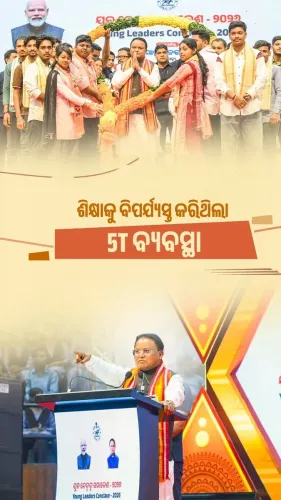
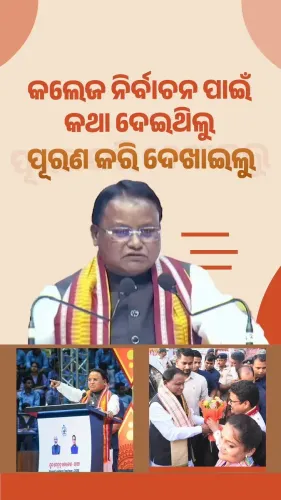
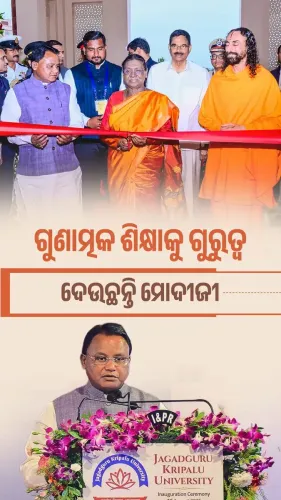
Odisha CM Mohan Charan Majhi accused the previous Naveen Patnaik-led BJD government of a four-year delay in adopting NEP 2020, and declared his BJP administration has implemented the policy along with a free KG-to-PG education scheme, claiming a first for India.
Key Takeaways
NEP 2020 was approved by the Union Cabinet in July 2020 but Odisha adopted it only after the BJP came to power in June 2024 , a gap CM Majhi puts at four years .
Majhi directly attributes the delay to the inaction of the previous BJD government under Naveen Patnaik , who led Odisha for 24 years .
The state now claims free education from Shishu Vatika through postgraduate level — a ' KG to PG ' continuum.
Majhi positions Odisha as the first state in India to guarantee free education across all levels, though this claim awaits independent verification.
The move aligns with the BJP's broader national pattern of fast-tracking NEP in states it governs.
Scheme notifications, university-level funding details, and official assessments of the rollout remain to be published.
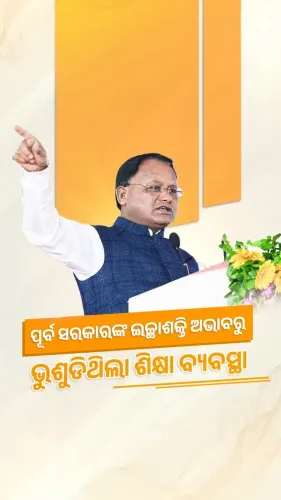
Four years after the Centre approved it, National Education Policy 2020 has finally arrived in Odisha — and Odisha Chief Minister Mohan Charan Majhi is making sure everyone knows who he holds responsible for the wait. In a post on X on Thursday, 12 November 2026, Majhi charged that the previous state government's inaction cost an entire generation of Odia students four critical years, and announced that his administration had wasted no time after taking office to change that.
Four years delayed — and who Majhi blames
The National Education Policy was cleared by the Union Cabinet in July 2020, laying out a sweeping overhaul of school and higher education across India. Yet Odisha, then under Naveen Patnaik's Biju Janata Dal government — which had governed the state uninterrupted since 2000 — did not implement it. Majhi's post, written in Odia with a parallel English translation, frames that gap as a deliberate failing: 'ପୂର୍ବ ସରକାରଙ୍କ ଉଦାସୀନତା ଯୋଗୁଁ' ('due to the inaction of the previous government'), Odisha lost four years.
It is a pointed political indictment. The BJP ended the BJD's 24-year run in power when it won the 2024 Odisha assembly election, with Majhi sworn in as Chief Minister that June. The delay in NEP adoption has since become a visible flashpoint in how the new government defines its break from the past.
The 'KG to PG' pledge — Odisha's big education claim
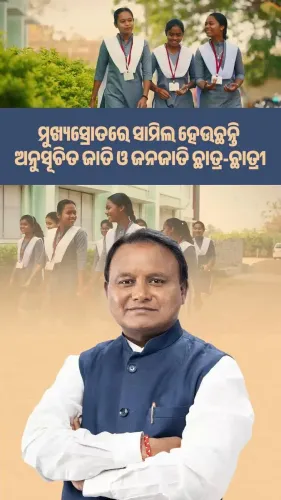
The centrepiece of Majhi's announcement is a commitment to free education covering the entire academic journey — from Shishu Vatika (early childhood education) all the way through postgraduate study, a 'KG to PG' continuum. The Chief Minister claims this makes Odisha 'the first state in India' to guarantee free education at every level, a sweeping assertion that, if borne out, would mark a genuine policy milestone for the state's students, parents, and universities.
The hashtags #OdishaEducation, #NEP2020, and #SamruddhaOdisha (Prosperous Odisha) frame the move as part of a wider development narrative the Majhi government is building. Specific scheme notifications, budget allocations underpinning the KG-to-PG guarantee, and independent assessments of the rollout are still awaited.
A pattern playing out across India
Odisha is not alone in this dynamic. Across the country, the speed of NEP 2020 adoption has often tracked the political alignment between state governments and the Centre. States governed by the BJP or its allies moved earlier; several opposition-ruled states have been slower or publicly resistant. Majhi's post is therefore as much a national political signal as it is a state policy announcement — framing Odisha's new government as a willing partner in the Centre's education agenda after years of what he calls neglect.
For the students of Odisha, the proof will come in implementation: whether Shishu Vatikas are staffed, whether universities can sustain a no-fee model, and whether the structural reforms NEP envisions — multidisciplinary curricula, credit flexibility, the new school stage framework — actually reach classrooms across the state.
Majhi has set a high bar. Now the state has to clear it.
Point of View
If substantiated, could become a replicable model that the Centre promotes nationally — raising the political stakes of delivery. However, the boldness of the commitment also creates a verifiable benchmark; any visible gap between the announcement and ground-level implementation risks handing the opposition a ready-made critique. Education has emerged as a live front in the broader BJP-vs-regional-party contest over developmental governance.
NationPress
12 Nov 2026
Frequently Asked Questions
What is NEP 2020 and when was it approved?
The National Education Policy 2020 was approved by India's Union Cabinet in July 2020 . It overhauled the school and higher-education framework, introducing early childhood education, multidisciplinary learning, and a new school-stage structure.
Why does CM Majhi say Odisha was delayed in implementing NEP 2020?
CM Mohan Charan Majhi attributes the delay to the inaction of the previous BJD government under Naveen Patnaik , which governed Odisha from 2000 to 2024 without adopting the policy despite it being available from July 2020 .
What does free KG to PG education in Odisha mean?
It means the Odisha government claims to provide tuition-free education from Shishu Vatika (early childhood level) all the way through postgraduate university study. Majhi calls Odisha the first state in India to do this, though formal scheme details are awaited.
When did Mohan Charan Majhi become Chief Minister of Odisha?
Mohan Charan Majhi was sworn in as Chief Minister of Odisha in June 2024 after the BJP won the state assembly election, ending 24 years of BJD rule.
Is Odisha really the first state in India to offer free education from KG to PG?
CM Majhi has made this claim on X on 12 November 2026 . The specific assertion has not yet been independently verified through official government notifications or central ministry assessments, so it should be treated as a government claim pending confirmation.