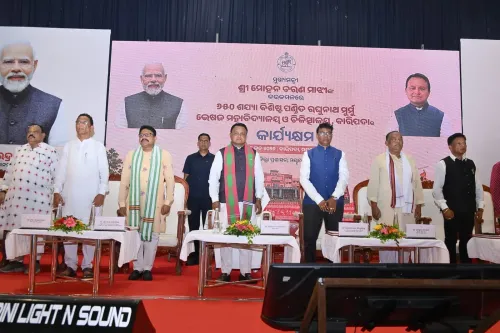
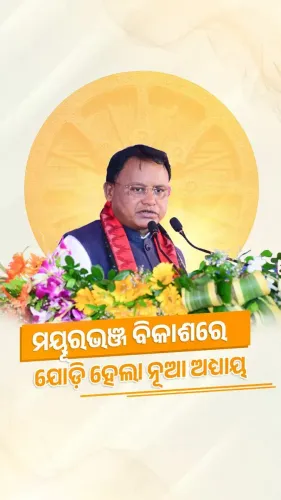
CM Majhi Opens ₹258 Cr Teaching Hospital in Mayurbhanj
Synopsis
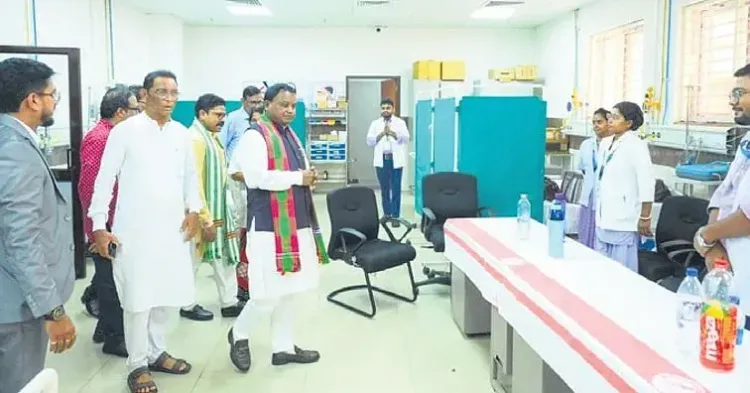
Chief Minister Mohan Charan Majhi inaugurated a ₹258 crore, 650-bed mega teaching hospital in Mayurbhanj on June 9, 2026, and unveiled ₹430 crore in development projects, marking a major healthcare and infrastructure push in one of Odisha's most tribal-concentrated districts.
Key Takeaways
CM Mohan Charan Majhi inaugurated a ₹258 crore mega teaching hospital in Mayurbhanj on June 9, 2026 .
The hospital has a capacity of 650 beds and is linked to Pandit Raghunath Murmu Medical College .
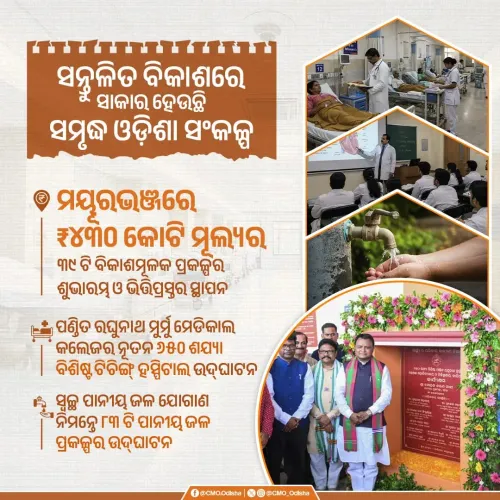
Total development projects unveiled in Mayurbhanj amount to ₹430 crore .
Mayurbhanj is a tribal-majority district in northern Odisha with historically limited access to specialist healthcare.
The investment continues Odisha's policy of decentralising medical education and tertiary care beyond Bhubaneswar .
Staffing, bed operationalisation, and linked district projects will be key milestones to track going forward.
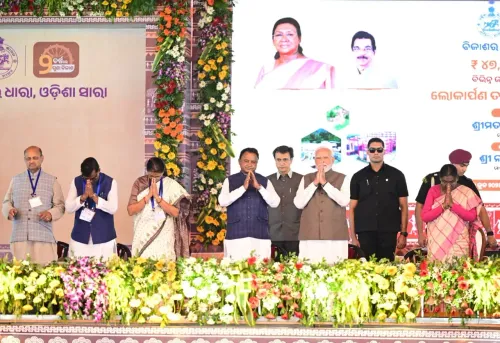
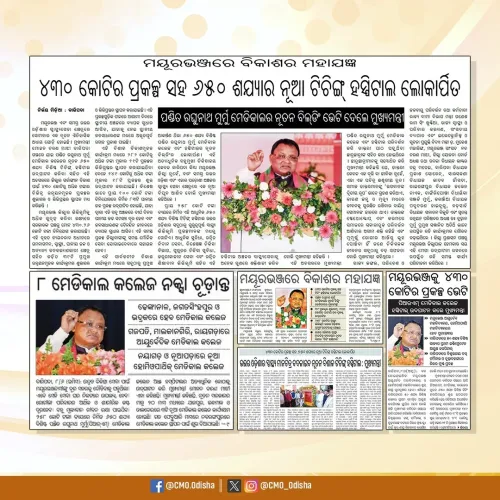
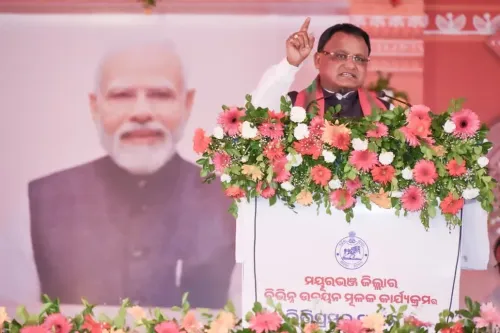
The Chief Minister's Office of Odisha announced on Tuesday, June 9, 2026, that Chief Minister Mohan Charan Majhi unveiled development projects worth ₹430 crore in Mayurbhanj and inaugurated a ₹258 crore mega teaching hospital in the tribal-majority district of northern Odisha.
Context
Mayurbhanj, one of Odisha's largest and most tribal-concentrated districts, has historically faced significant gaps in access to specialist healthcare and medical education. The inauguration of the 650-bed teaching hospital — linked to Pandit Raghunath Murmu Medical College — marks a substantial addition to tertiary care infrastructure in a region where patients have long depended on facilities in Bhubaneswar or Kolkata for advanced treatment.
The broader package of ₹430 crore in projects encompasses multiple development interventions across the district, signalling a concentrated push by the Majhi government to accelerate visible infrastructure delivery in tribal belts ahead of forthcoming budget cycles.
Policy Backdrop
Odisha has pursued a strategy of decentralising medical education and specialist care since the 2010s, establishing government medical colleges at the district level to reduce pressure on state-capital hospitals and to train doctors closer to underserved populations. The current administration under CM Majhi — Odisha's first BJP Chief Minister, in office since 2024 — has continued and expanded that trajectory with a stated focus on tribal districts.
Teaching hospitals attached to medical colleges serve a dual purpose: they provide clinical training for undergraduate and postgraduate students while simultaneously delivering subsidised or free specialist care to local populations. A 650-bed facility in Mayurbhanj represents one of the larger such investments in the district's recorded history.
Stakeholders and Impact
The primary beneficiaries are Mayurbhanj's predominantly tribal communities, who will gain closer access to in-patient surgical, obstetric, and specialist services without undertaking long-distance travel. Medical students and postgraduate trainees in the region will have an expanded clinical environment for hands-on learning.
Rural patients across adjacent blocks and sub-divisions are also expected to benefit, as a functioning teaching hospital typically anchors a referral network that draws in patients from surrounding primary health centres. District administration and allied health workers are key implementation stakeholders who will determine how quickly the facility reaches operational capacity.
What's Next
The critical milestones to watch are the operationalisation of the hospital's full 650 beds, recruitment of specialist faculty and nursing staff, and the rollout timelines for the remaining projects within the ₹430 crore package. Subsequent state budget sessions and quarterly reviews by the Chief Minister's Office will indicate whether staffing and equipment procurement keep pace with the physical infrastructure now in place.
If the hospital reaches functional capacity within the projected window, Mayurbhanj could serve as a replicable model for similar tribal districts across Odisha — and potentially influence how other BJP-governed states approach decentralised healthcare delivery in Scheduled Tribe-majority regions.
Point of View
Home to a large Scheduled Tribe population and named after the tribal literary icon Pandit Raghunath Murmu, carries unmistakable cultural resonance. Whether the facility translates from ribbon-cutting to sustained clinical delivery will be the real test of the administration's governance credentials.
NationPress
19 Sept 2026
Frequently Asked Questions
What hospital did CM Majhi inaugurate in Mayurbhanj?
CM Mohan Charan Majhi inaugurated a 650-bed mega teaching hospital costing ₹258 crore in Mayurbhanj, Odisha, on June 9, 2026. The hospital is associated with Pandit Raghunath Murmu Medical College.
What is the total value of projects unveiled in Mayurbhanj on June 9, 2026?
The Chief Minister's Office announced development projects worth ₹430 crore in Mayurbhanj, of which ₹258 crore is attributed to the new mega teaching hospital.
Who is Mohan Charan Majhi?
Mohan Charan Majhi is the Chief Minister of Odisha, in office since 2024 and the state's first BJP Chief Minister. He has focused on development projects in tribal districts.
Why is Mayurbhanj significant for healthcare investment?
Mayurbhanj is a tribal-majority district in northern Odisha that has historically faced major gaps in specialist healthcare access, making it a priority area for decentralised medical infrastructure.
What is Pandit Raghunath Murmu Medical College?
Pandit Raghunath Murmu Medical College is a government medical college in Mayurbhanj, Odisha, established to expand medical education and tertiary care in the tribal-belt region of the state.