CM Majhi pays tribute to tribal icon Dharanidhar Naik in Kendujhar
Synopsis
Odisha Chief Minister Mohan Charan Majhi visited Kendujhar on 6 November 2026 to pay floral tribute to Dharanidhar Naik (Bhuyan), a 19th-century Bhuyan tribal leader who resisted colonial exploitation, pledging to build a developed Odisha inspired by his legacy of self-respect and social justice.
Key Takeaways
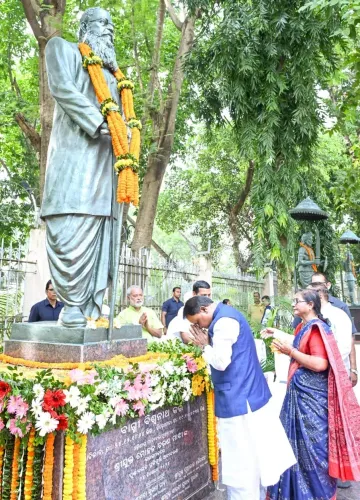
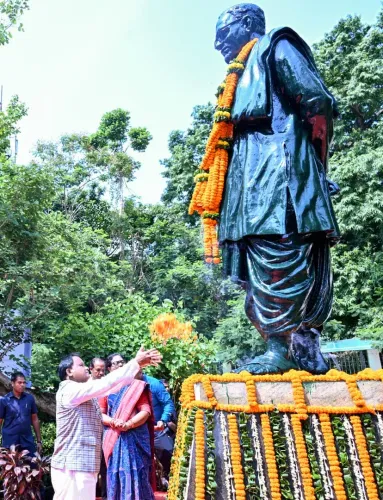
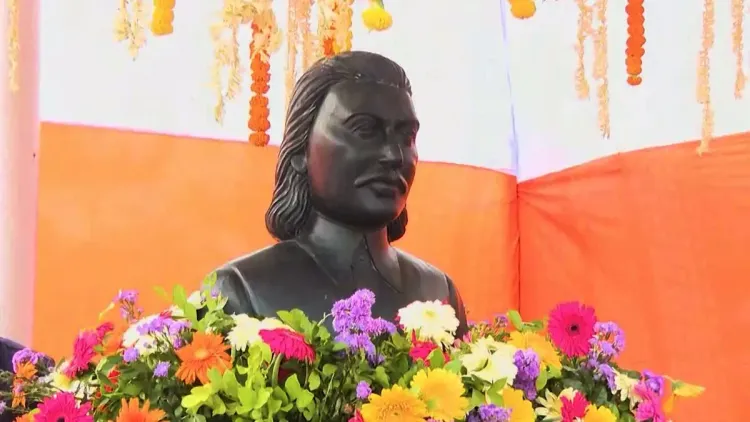
CM Mohan Charan Majhi paid tribute at the statue of Dharanidhar Naik (Bhuyan) in Kendujhar on 6 November 2026 .
Dharanidhar Naik was a 19th-century Bhuyan tribal leader from the Keonjhar region who resisted exploitative rulers and British colonial influence.
The Chief Minister invoked Naik's struggle for self-respect, social justice, and rights as a source of eternal inspiration.
Majhi pledged commitment to protecting Odisha's pride and identity and building a 'developed and prosperous Odisha.' Kendujhar is a mineral-rich district with a significant tribal population, making the tribute politically and socially significant beyond ceremony.
In the iron-ore heartland of Kendujhar, Odisha Chief Minister Mohan Charan Majhi paid floral tribute on Friday, 6 November 2026, at the statue of Dharanidhar Naik (Bhuyan) — a 19th-century tribal warrior whose defiance of colonial-era exploitation remains a living memory in northern Odisha's hills.
Posting in Odia, CM Majhi wrote: 'Swabhimana, samajika nyaya ebam adhikara pain tankara aitihasika ladha amara samastanka pain chirapreranaara utsara' — 'His historic struggle for self-respect, social justice, and rights is an eternal source of inspiration for all of us.' The Chief Minister added that, inspired by Naik's sacrifice and ideals, the government remains committed to protecting Odisha's pride and identity while building a developed and prosperous state.
Who was Dharanidhar Naik and why Kendujhar remembers him
Dharanidhar Naik, belonging to the Bhuyan tribal community, led organised resistance against exploitative local rulers and the creeping influence of British colonial power in the Keonjhar region during the 19th century. His stand — rooted in assertions of land rights, community dignity, and self-rule — predates the mainstream nationalist movement and places Odisha's tribal belt at the centre of India's longer arc of resistance.
Kendujhar district, today one of Odisha's most mineral-rich zones driving steel and iron-ore output, carries that layered identity: an economic engine shaped by the same forests and hills where Bhuyan communities once fought for survival. The district has a strong tribal demographic, and figures like Naik hold deep social and spiritual authority in local memory.
Homage visits as governance signal in Odisha
Paying public obeisance to regional tribal icons is a consistent feature of Odisha's political calendar — but the choice of where and when carries weight. CM Majhi, himself from the Santali tribal community and Odisha's first tribal Chief Minister from the BJP, brings a particular resonance to such visits: they are both personal acknowledgement and political statement.
His government has signalled intent to highlight indigenous contributions to the freedom struggle and position tribal welfare as a pillar of its 'Viksit Odisha' agenda. A tribute visit of this kind, in Kendujhar — a district where tribal land rights, mining royalties, and social infrastructure remain active political conversations — lands against that backdrop.
Dharanidhar Naik's legacy, in this context, is not merely ceremonial. It is the ideological vocabulary a government reaches for when it wants to frame contemporary policy commitments in the language of historical justice.
Point of View
As Odisha's first tribal Chief Minister from the BJP, such visits are more than ritual: they reinforce his authenticity as a representative of indigenous communities at a time when tribal land, forest rights, and mining revenues remain contested in districts like Kendujhar. The choice to invoke Naik's legacy of 'self-respect and social justice' also signals the government's awareness that tribal voters will judge it not just on infrastructure delivery, but on how seriously it treats community memory and identity.
NationPress
6 Nov 2026
Frequently Asked Questions
Who was Dharanidhar Naik (Bhuyan)?
Dharanidhar Naik, also known as Dharanidhar Naik Bhuyan, was a 19th-century tribal leader from the Keonjhar region of Odisha who led the Bhuyan community in resistance against exploitative local rulers and British colonial influence, making him an enduring symbol of tribal self-respect and rights.
Why did CM Mohan Majhi visit Kendujhar on 6 November 2026?
CM Mohan Charan Majhi visited Kendujhar to pay floral tribute at the statue of Dharanidhar Naik (Bhuyan), honouring the 19th-century tribal leader's legacy of struggle for social justice, self-respect, and community rights.
What did CM Majhi say about Dharanidhar Naik?
CM Majhi called Naik's historic struggle for self-respect, social justice, and rights 'an eternal source of inspiration for all,' and pledged to protect Odisha's pride and identity while building a developed and prosperous state inspired by Naik's sacrifice and ideals.
What is the significance of Kendujhar in Odisha?
Kendujhar is a district in northern Odisha known for its rich mineral resources — particularly iron ore — its significant tribal population, and its historical role in regional uprisings, including the Bhuyan community's resistance movements in the 19th century.
Is Mohan Charan Majhi a tribal Chief Minister?
Yes, Mohan Charan Majhi is Odisha's first Chief Minister from the BJP belonging to a tribal community, making his public tributes to tribal freedom fighters and icons carry particular personal and political significance.