CM Majhi Pledges Full Aid to Cyclone Arnab Victims in Odisha

Synopsis
Odisha Chief Minister Mohan Charan Majhi has promised comprehensive state support for farmers, fisherfolk, and livestock keepers affected by Cyclone Arnab, with urgent focus on restoring irrigation infrastructure ahead of the Rabi sowing season.
Key Takeaways
CM Mohan Charan Majhi pledged full government assistance to cyclone-affected farmers, fisherfolk, and livestock keepers in Odisha on 2 November 2026 .
The Chief Minister identified pre-Rabi irrigation restoration as the single highest priority in the recovery effort.
Cyclone Arnab damaged agricultural land, fishing livelihoods, and livestock across Odisha's coastal and inland districts.
Odisha has a documented history of post-cyclone recovery drives after Cyclone Fani (2019) and Cyclone Phailin (2013) , providing institutional precedent for the current effort.
The BJP state government, in power since 2024 , faces its first major cyclone-recovery deployment at scale.
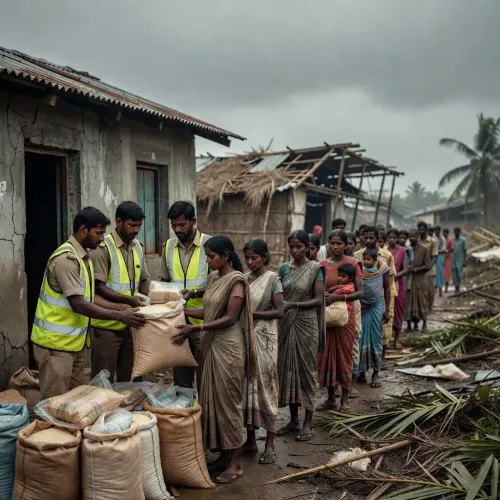
When a Bay of Bengal cyclone tears through coastal Odisha, the damage does not end when the winds die down — it lingers in flooded fields, lost livestock, and fishing boats that will never return. Odisha Chief Minister Mohan Charan Majhi moved swiftly on Monday, 2 November 2026, pledging the state government's full support to farmers, livestock keepers, and fisherfolk whose livelihoods were devastated by Cyclone Arnab.
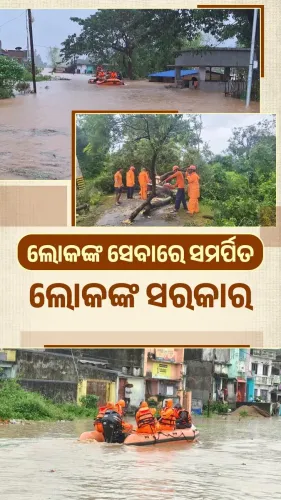
Posting in Odia on X, the Chief Minister declared: 'ଲୋକଙ୍କ ସରକାର ସମସ୍ତ ପ୍ରକାର ସହାୟତା ଯୋଗାଇ ଦେବେ' — 'the people's government will provide all kinds of assistance.' He stressed two immediate priorities: restoring agriculture and rural livelihoods to strength, and — crucially — repairing irrigation infrastructure before the Rabi season, calling it a matter of highest importance.Why the Rabi Deadline Changes Everything
The Rabi sowing window is unforgiving. Across Odisha's coastal and inland districts, farmers plant winter crops — paddy, pulses, oilseeds — in a narrow band of weeks following the monsoon. A damaged canal or a silted irrigation outlet missed now means an empty field in spring. CM Majhi's specific mention of pre-Rabi irrigation repair is not rhetorical; it is the difference between a recovery and a second consecutive season of loss for households already on the edge.
The state has navigated this crisis before. After Cyclone Fani in 2019 — one of the most destructive storms to hit the Odisha coast in decades — the administration ran coordinated agriculture-and-fisheries restoration drives, distributing seed kits, repairing pump sets, and clearing blocked waterways. The institutional memory from Fani and earlier storms like Phailin (2013) means Odisha carries more cyclone-recovery infrastructure than most Indian states. The question is always speed of deployment.
Fisherfolk and Livestock Keepers in the Frame
Cyclone damage in Odisha rarely falls on farmers alone. Fisherfolk along the Bay of Bengal coast lose boats, nets, and cold-storage access in a single night. Livestock keepers — particularly in low-lying delta areas — face animal losses and fodder destruction that can take years to rebuild without targeted state aid. CM Majhi's explicit inclusion of both groups in his commitment signals a wider relief net than purely agricultural in focus.
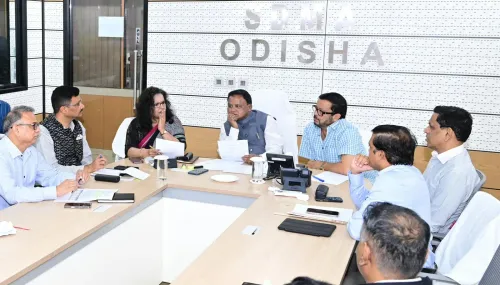
The BJP government in Bhubaneswar, which came to power in 2024, now faces its first major post-cyclone recovery test of this scale. How efficiently relief packages move from announcement to ground-level disbursement — and whether irrigation works are completed before the Rabi sowing window closes — will be the real measure of the pledge made today.
Odisha's coast will face another cyclone. The test is whether each recovery is faster than the last.
Point of View
Fisheries, and irrigation after Bay of Bengal storms — but the specific emphasis on pre-Rabi irrigation timelines sharpens it into an actionable commitment rather than a routine assurance. For the BJP government, which inherited a formidable cyclone-management apparatus from its predecessor, the recovery of Cyclone Arnab is both an administrative test and a political signal to coastal and farming constituencies. The inclusion of fisherfolk and livestock keepers alongside farmers suggests a deliberately broad coalition of beneficiaries, consistent with the party's rural outreach strategy in Odisha. Delivery speed — not the announcement itself — will determine whether this pledge strengthens or strains the government's credibility ahead of the Rabi harvest cycle.
NationPress
2 Nov 2026
Frequently Asked Questions
What did Odisha CM Mohan Majhi announce for Cyclone Arnab victims?
CM Mohan Charan Majhi announced that the Odisha government will provide all forms of assistance to farmers, fisherfolk, and livestock keepers affected by Cyclone Arnab, with priority given to restoring irrigation systems before the Rabi sowing season.
Who are the main beneficiaries of Odisha's Cyclone Arnab relief?
The relief targets three groups specifically named by CM Majhi: farmers whose crops and land were damaged, livestock keepers who lost animals or fodder, and fisherfolk along the Odisha coast who lost boats or equipment.
Why is Rabi season irrigation repair urgent after Cyclone Arnab?
The Rabi sowing window opens in late November and early December. If damaged irrigation infrastructure is not repaired in time, farmers cannot plant winter crops, turning a weather disaster into a second consecutive season of income loss.
How has Odisha handled cyclone relief in the past?
Odisha has managed major cyclone recoveries after Fani in 2019 and Phailin in 2013, distributing seed kits, repairing irrigation assets, and providing direct aid to farming and fishing communities — building significant institutional experience in rapid post-cyclone response.
When did Mohan Charan Majhi become Chief Minister of Odisha?
Mohan Charan Majhi became Chief Minister of Odisha in 2024 after the BJP won the state assembly elections, marking the party's first government in the state.