CM Majhi Prioritises Livestock Care in Flood-Hit Odisha
Synopsis
Odisha CM Mohan Charan Majhi announced door-to-door veterinary services in flood-hit areas, with teams conducting health checks, distributing medicine, and advising livestock keepers — part of the state's integrated disaster relief framework built after the 1999 super cyclone.
Key Takeaways
Odisha CM Mohan Charan Majhi has declared livestock protection the 'highest priority' in flood-affected areas.
Mobile veterinary teams are conducting door-to-door visits across flood-hit districts.
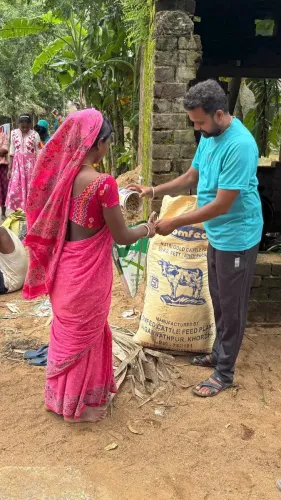
Services include animal health checks, fodder supply, medical treatment, medicine distribution, and keeper advisory sessions.
Odisha's livestock relief protocol is a standing component of its disaster framework, strengthened after the 1999 super cyclone .
Flood-affected farmers and livestock owners are the direct beneficiaries, with animal survival directly tied to rural economic resilience.
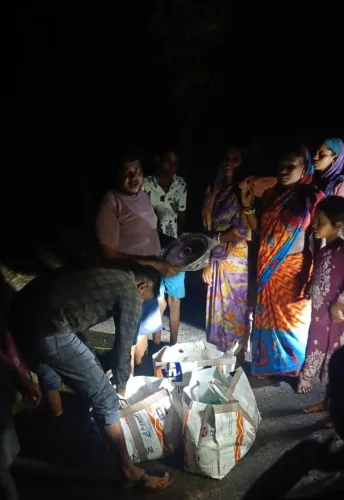
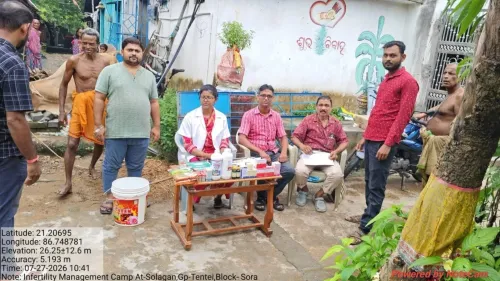
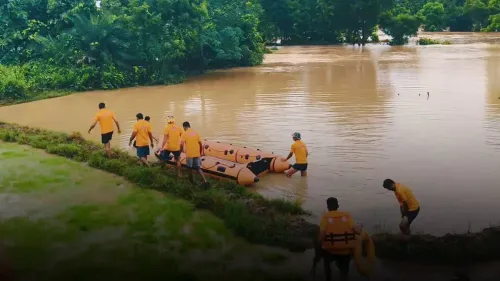
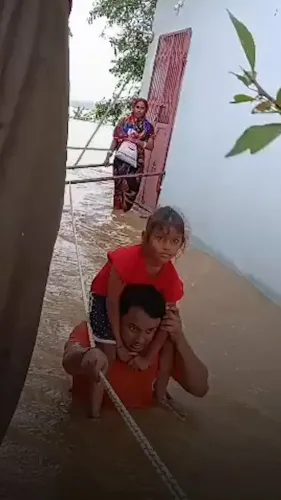
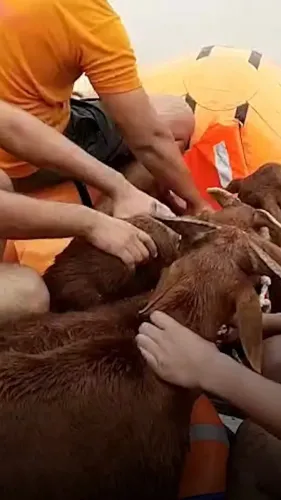
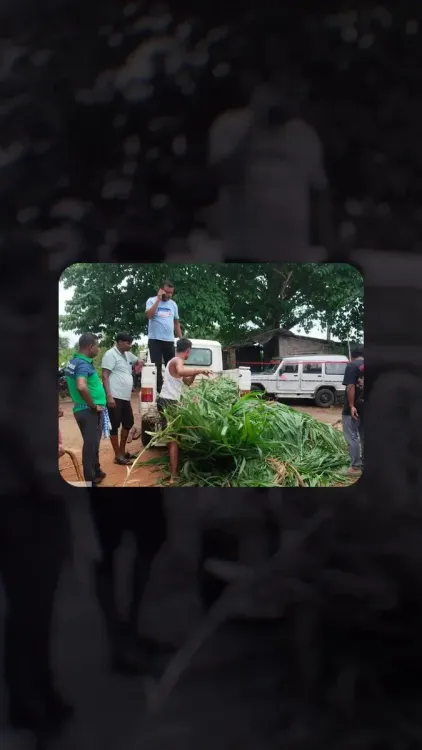
When floodwaters rise in Odisha, the damage does not stop at human lives — it reaches the cattle sheds and poultry farms that anchor rural livelihoods. Odisha Chief Minister Mohan Charan Majhi announced on Monday, 3 August 2026 that veterinary teams are conducting door-to-door visits across flood-affected areas, delivering health checks, food, medicine, and livestock-management advice directly to animal keepers.
The Chief Minister stated that 'protection of livestock in flood-affected areas is being given the highest priority,' with continuous veterinary services deployed on the ground. Mobile teams are reaching individual households — examining animals, distributing essential medicines, and counselling farmers on how to safeguard their herds through the crisis.
A State Hardwired for Disaster Response
Odisha's response playbook was forged in tragedy. After the devastating 1999 super cyclone, the state rebuilt its disaster management framework from the ground up — and crucially, it built livestock protection into the architecture of flood relief, not as an afterthought but as a standing protocol. Mobile veterinary units doing house-to-house rounds are now a standard feature of the state's monsoon response, not an improvised gesture.
The logic is straightforward: for a farming family in rural Odisha, losing cattle to flood-related disease or stress can be as economically ruinous as losing a crop. The Mahanadi and its tributaries flood large swathes of the state almost every monsoon season, making this kind of integrated animal-welfare response a recurring operational necessity.
What the Door-to-Door Teams Are Doing
According to the Chief Minister's post, the veterinary teams are covering five distinct functions: physical health examination of animals, provision of fodder and food, treatment of sick or injured livestock, distribution of medicines, and advisory sessions for animal keepers on protective measures. The breadth of the mandate signals a coordinated, multi-agency deployment rather than a token gesture.
Livestock owners and flood-affected farmers stand as the direct beneficiaries — communities whose economic resilience depends heavily on animal health surviving the monsoon intact. Every animal saved is a livelihood preserved.
As floodwaters recede, the real measure of this deployment will be in animal mortality figures and the speed at which rural households can return to normal agricultural activity. The ground teams are already in the field — the count begins now.
Point of View
Not merely a welfare footnote, during monsoon disasters. Foregrounding livestock relief publicly also serves a political purpose — signalling administrative reach to rural constituencies whose votes track closely with how well the state protects their agricultural assets. The door-to-door model is operationally sound and aligns with the integrated disaster-management philosophy Odisha has refined over two decades. The real test, as always, will be in the scale and consistency of deployment once the initial announcement cycle fades.
NationPress
3 Aug 2026
Frequently Asked Questions
What is Odisha doing for livestock in flood-affected areas?
Odisha has deployed mobile veterinary teams that are going door-to-door in flood-hit areas to examine animals, distribute medicine and fodder, provide treatment, and advise livestock keepers on protective measures.
Who announced the livestock relief measures in Odisha floods?
Odisha Chief Minister Mohan Charan Majhi announced the measures on 3 August 2026, stating that livestock protection is being given the highest priority in flood-affected regions.
Why does Odisha have a strong disaster response for livestock?
Odisha rebuilt its disaster management framework after the catastrophic 1999 super cyclone and incorporated livestock protection as a standard component of flood relief, recognising that animal losses devastate rural farm incomes.
Which rivers cause flooding in Odisha?
The Mahanadi and its tributaries are among the primary rivers that flood large parts of Odisha almost every monsoon season, threatening both human populations and agricultural assets including livestock.
How do flood veterinary teams help farmers in Odisha?
The teams provide on-the-spot health checks, food, treatment, and medicines for animals, and also counsel farmers on how to protect their livestock — helping preserve livelihoods that depend on cattle and poultry surviving the flood season.