CM Majhi Reviews Law-and-Order, Naxal Crackdown at Lok Seva Bhavan
Synopsis
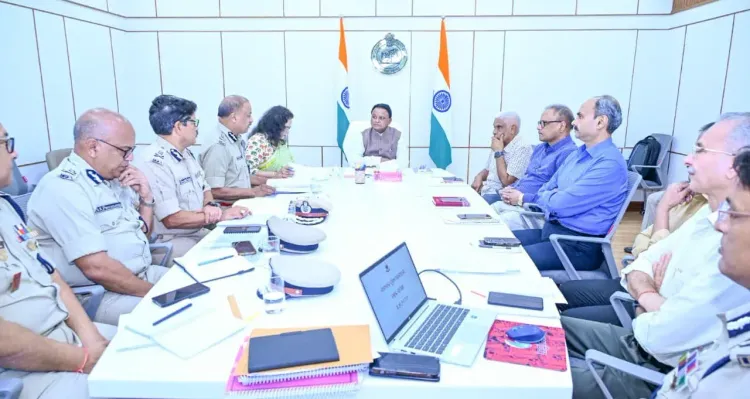
Chief Minister Mohan Charan Majhi held a high-level review at Lok Seva Bhavan on 5 July 2026, examining law-and-order conditions and anti-Naxal measures in Odisha. The meeting continues a pattern of periodic security oversight in the state's LWE-affected southern and western districts.
Key Takeaways
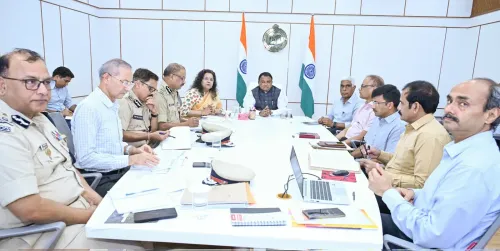
CM Mohan Charan Majhi chaired a security review at Lok Seva Bhavan, Bhubaneswar on 5 July 2026 .
The review covered both general law-and-order conditions and specific anti-Naxal suppression measures in Odisha.
Districts such as Malkangiri , Koraput , and Rayagada are the primary LWE-affected zones under focus.
Odisha deploys a dual approach of security operations and development schemes in Maoist-affected blocks.
Central paramilitary forces remain deployed in the state under a unified command structure alongside state police.
Specific decisions from the meeting have not been officially detailed beyond the CMO's announcement.
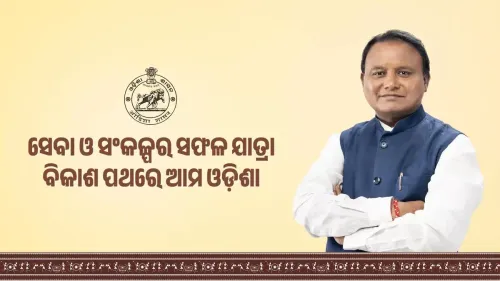
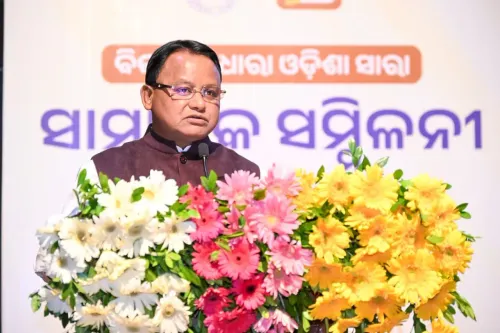
The Chief Minister's Office of Odisha announced on Sunday, 5 July 2026 that Chief Minister Mohan Charan Majhi chaired a high-level review at Lok Seva Bhavan, Bhubaneswar, covering law-and-order conditions and anti-Naxal operations across the state.
Context
The CMO's post, written in Odia, states that 'Lok Seva Bhavanare aina shrunkhala o Naxal daman padakshyepa samparke samiksha karichanti' — meaning CM Majhi 'reviewed measures related to law and order and Naxal suppression at Lok Seva Bhavan.' The secretariat in Bhubaneswar serves as the principal venue for cabinet-level and high-level administrative deliberations in Odisha.
Mohan Charan Majhi took office in June 2024 as Odisha's first Chief Minister from the Bharatiya Janata Party, representing the Rairakhol constituency. Security and development in Left-Wing Extremism-affected districts have been a stated priority of his administration.
Policy Backdrop
Odisha's southern and western districts — particularly Malkangiri, Koraput, and Rayagada — have long been affected by Naxalite-Maoist insurgency. Successive state governments have held periodic reviews of this nature, consistent with the Centre's National Policy and Action Plan on Left-Wing Extremism, which was updated in the 2010s and continues to guide state-level responses.
Odisha has pursued a dual-track approach: intensified security operations alongside targeted development schemes in Maoist-affected blocks. Central paramilitary forces remain deployed in the state under a unified command structure, coordinating with state police on area-domination exercises and surrender-and-rehabilitation programmes.
Stakeholders and Impact
The primary stakeholders in any outcome from such a review are security forces — including state police and centrally deployed paramilitary units — and the tribal communities residing in LWE-affected blocks who bear the brunt of both insurgent activity and counter-insurgency operations.
Rehabilitation packages for surrendered cadres and infrastructure investment in former Maoist zones are recurring agenda items in such reviews, though the specific decisions from the 5 July 2026 meeting have not been officially detailed beyond the CMO's post.
What's Next
Observers will watch for follow-up announcements from the state government on any revised surrender-and-rehabilitation policy, changes in force deployment, or new infrastructure commitments in LWE-affected districts. Such reviews typically precede operational directives issued to district collectors and senior police officials in the affected zones.
The review signals that the Majhi administration continues to treat internal security in the state's tribal belt as a governance priority, maintaining the cadence of high-level oversight that has characterised Odisha's approach to the Naxal challenge across administrations.
Point of View
Signalling that the BJP-led Majhi government intends to maintain — and be seen maintaining — a firm hand on internal security in Odisha's tribal belt. For a first-term CM who came to power partly on a law-and-order platform, such visible engagement with anti-Naxal policy serves both administrative and political purposes. It also keeps Odisha aligned with the Centre's broader push to declare more districts LWE-free, a metric the Union Home Ministry has publicly tracked. The cadence of these reviews will be a useful indicator of whether the administration moves beyond optics toward concrete policy shifts on surrender packages or infrastructure delivery.
NationPress
5 Jul 2026
Frequently Asked Questions
Why did CM Mohan Majhi hold a Naxal review in Odisha?
CM Majhi held the review to assess the current state of law and order and evaluate the effectiveness of anti-Naxal suppression measures across Odisha, particularly in LWE-affected southern and western districts.
Which districts in Odisha are most affected by Naxal activity?
The districts of Malkangiri, Koraput, and Rayagada in southern and western Odisha are the most significantly affected by Naxalite-Maoist insurgency and are the primary focus of security operations.
What is Lok Seva Bhavan in Odisha?
Lok Seva Bhavan is the Odisha state secretariat located in Bhubaneswar. It is the principal venue for cabinet meetings and high-level administrative reviews conducted by the state government.
Who is Mohan Charan Majhi?
Mohan Charan Majhi is the Chief Minister of Odisha since June 2024 and the state's first BJP Chief Minister. He represents the Rairakhol constituency in the Odisha Legislative Assembly.
What is Odisha's approach to tackling Naxalism?
Odisha follows a dual-track strategy combining intensified security operations — involving state police and centrally deployed paramilitary forces — with targeted development schemes and surrender-and-rehabilitation packages in Maoist-affected blocks.