CM Majhi Pays Tribute to Birsa Munda on Janjatiya Gaurav Divas
Synopsis
Odisha Chief Minister Mohan Charan Majhi marked Janjatiya Gaurav Divas and Bhagwan Birsa Munda's 151st birth anniversary on 15 November 2026, pledging his government's commitment to tribal rights, cultural preservation, and socio-economic upliftment of Odisha's Scheduled Tribe communities.
Key Takeaways
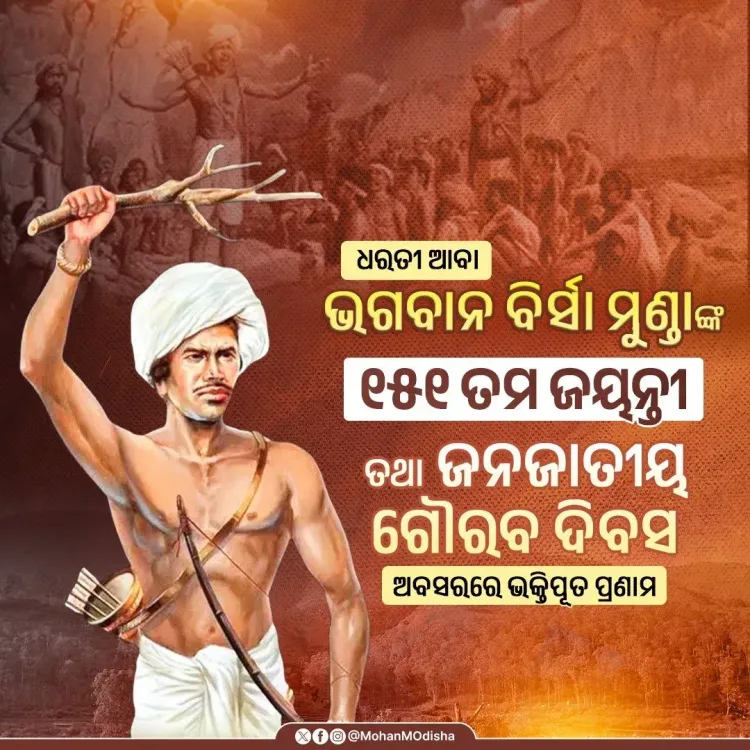
Odisha CM Mohan Charan Majhi paid tribute to Bhagwan Birsa Munda on 15 November 2026 , marking his 151st birth anniversary and Janjatiya Gaurav Divas .
Birsa Munda (1875–1900) led the Ulgulan rebellion against British land seizures in the Chotanagpur plateau and died in colonial custody at age 25.
Janjatiya Gaurav Divas was formally declared a national observance by the Government of India in 2021 to honour tribal contributions to the freedom struggle.
Odisha has one of the largest Scheduled Tribe populations in India, giving state-level tributes significant political and policy resonance.
CM Majhi's statement pledged protection of tribal rights , preservation of culture and traditions, and a future of dignity and prosperity for tribal communities.
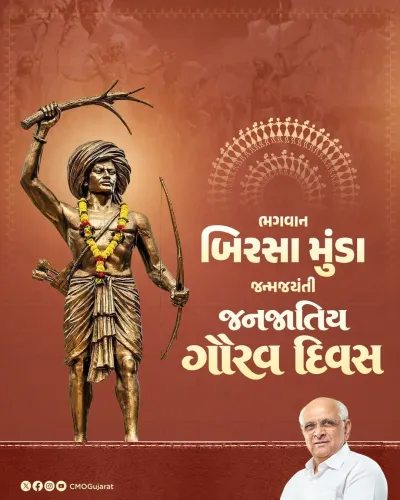
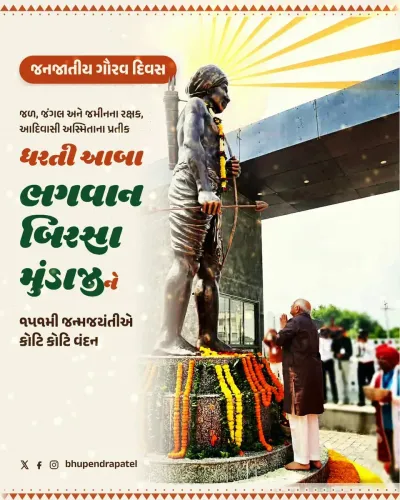
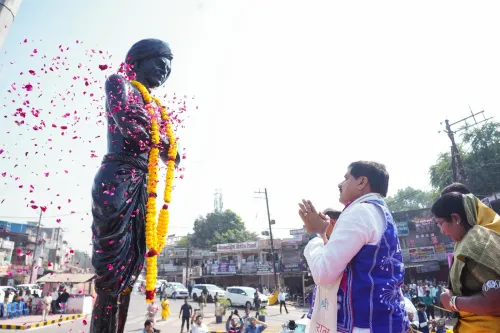
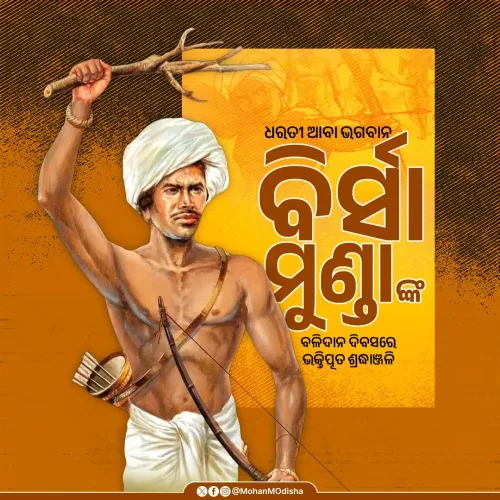
A freedom fighter who died in a colonial jail at just 25 years old continues to shape Indian politics more than a century later. On Sunday, 15 November 2026, Odisha Chief Minister Mohan Charan Majhi paid homage to Bhagwan Birsa Munda on Janjatiya Gaurav Divas and the tribal icon's 151st birth anniversary, reaffirming his government's pledge to tribal empowerment, cultural preservation, and dignity for Odisha's Scheduled Tribe communities.
Writing in both Odia and English, CM Majhi offered what he called 'ଭକ୍ତିପୂତ ପ୍ରଣାମ' — 'humble, devotion-filled tributes' — to Birsa Munda, describing him as 'a symbol of indomitable courage, sacrifice, and patriotism.' The post declared that the Odisha government 'remains committed to tribal empowerment, preserving their rich culture and traditions, and ensuring a future of dignity and prosperity for tribal communities.'
Who Was Bhagwan Birsa Munda — and Why the Title 'Bhagwan'?
Birsa Munda, born on 15 November 1875 in the Chotanagpur plateau region, led the Ulgulan — meaning 'the great tumult' — a rebellion that shook British colonial administration by challenging the systematic seizure of tribal lands and the dikus (outsiders) who exploited them. He mobilised the Munda community not just as a political leader but as a spiritual figure, which earned him the reverential prefix 'Bhagwan.' He died in British custody in 1900, aged only 25, but left behind a legacy that legally, culturally, and politically reshaped how India treats its tribal populations.
Janjatiya Gaurav Divas: From Movement to National Calendar
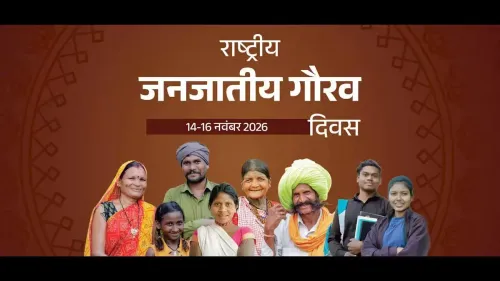
The day itself carries deliberate institutional weight. The Government of India formally declared 15 November as Janjatiya Gaurav Divas in 2021, anchoring Birsa Munda's birth anniversary as a national occasion to honour tribal contributions to the freedom struggle. The date has since become a focal point for BJP-led governments at both the Centre and in states to link tribal heritage with contemporary development commitments — a rhetorical bridge between history and policy.
Odisha's Tribal Stakes
Odisha is home to one of the largest Scheduled Tribe populations in India, making tributes like this one more than ceremonial. The state's BJP administration, formed after the 2024 state elections that ended the Biju Janata Dal's long run in power, has consistently framed its tribal outreach around both cultural respect and socio-economic upliftment. CM Majhi's post pledges protection of tribal rights, preservation of culture and tradition, and construction of a 'dignified and prosperous future' — language that sets expectations ahead of upcoming budget and policy announcements.
Birsa Munda's rebellion was ultimately about land, rights, and the refusal to be erased. That the man once jailed by an empire is now honoured on a national holiday is itself a measure of how far the arc has bent — and how much further, tribal communities across Odisha and India would argue, it still has to go.
Point of View
Pairing reverence with development rhetoric to consolidate support among Scheduled Tribe voters. In Odisha specifically — where the BJP unseated an entrenched regional party in 2024 partly by intensifying its tribal outreach — such commemorations carry direct electoral logic. The framing of Birsa Munda's legacy alongside pledges on rights and culture also signals that the new state administration sees tribal identity as an asset to be honoured, not just a welfare category to be managed. How those pledges translate into the next state budget will be the real test of the sentiment expressed today.
NationPress
15 Nov 2026
Frequently Asked Questions
What is Janjatiya Gaurav Divas and why is it celebrated on 15 November?
Janjatiya Gaurav Divas is observed on 15 November every year to honour the contributions of tribal communities to India's freedom struggle. The date was chosen because it marks the birth anniversary of Bhagwan Birsa Munda , the Munda tribal leader and freedom fighter. The Government of India formally declared this national observance in 2021 .
Who was Bhagwan Birsa Munda?
Bhagwan Birsa Munda (born 15 November 1875 , died 1900 ) was a Munda tribal leader from the Chotanagpur plateau who led the Ulgulan rebellion against British colonial rule and the exploitation of tribal land rights. He was revered as a spiritual figure by his community, earning the title 'Bhagwan,' and died in British custody at the age of 25.
What did Odisha CM Mohan Majhi say on Janjatiya Gaurav Divas 2026?
CM Mohan Charan Majhi posted tributes in both Odia and English on 15 November 2026 , calling Birsa Munda a symbol of 'indomitable courage, sacrifice, and patriotism.' He reaffirmed that the Odisha government is committed to tribal empowerment, preserving tribal culture and traditions, and building a future of dignity and prosperity for tribal communities.
How large is Odisha's tribal population?
Odisha is one of the Indian states with the largest Scheduled Tribe populations in the country. This makes tribal welfare and cultural preservation a central policy concern for successive state governments, including the current BJP administration led by CM Mohan Charan Majhi .
When did BJP come to power in Odisha?
The BJP came to power in Odisha following the 2024 state assembly elections , ending the long tenure of the Biju Janata Dal. Mohan Charan Majhi was sworn in as Chief Minister, becoming the first BJP Chief Minister of the state.