Rajnath Singh Greets Jharkhand on Foundation Day
Synopsis
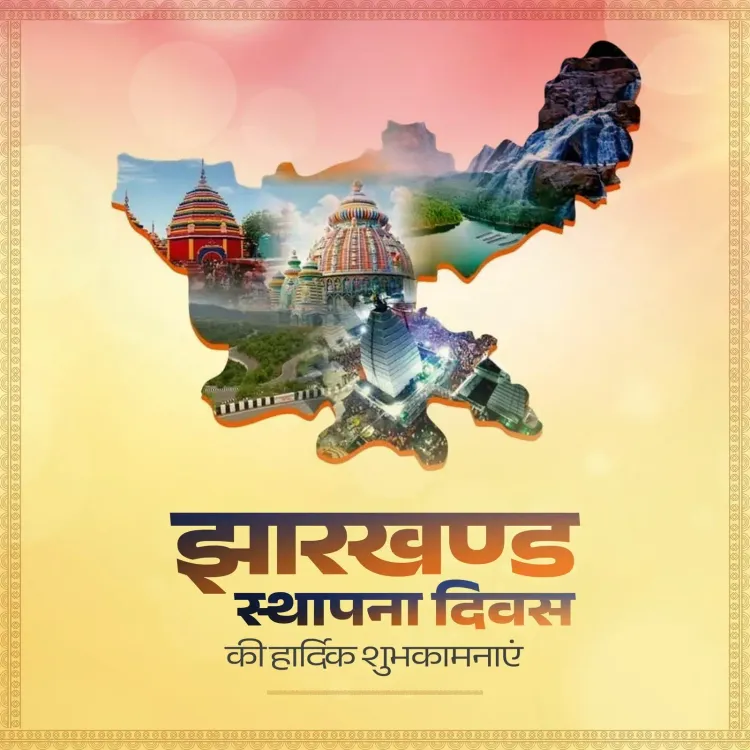
Union Defence Minister Rajnath Singh on 15 November 2026 extended Foundation Day greetings to Jharkhand, India's 28th state formed in 2000, praising its natural wealth, tribal heritage, and people's contributions to national progress.
Key Takeaways
Rajnath Singh posted greetings for Jharkhand Foundation Day on 15 November 2026 .
Jharkhand was created as India's 28th state on 15 November 2000 under the Bihar Reorganisation Act .
Singh highlighted the state's natural resources, rich tribal heritage, and distinctive cultural traditions.
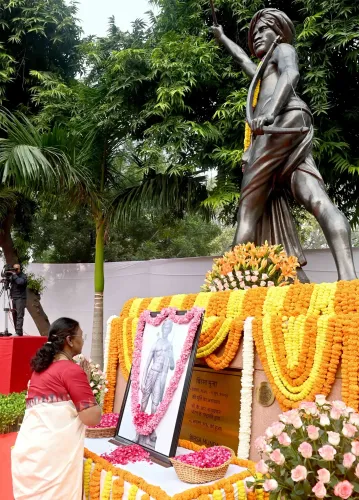
The date also coincides with the birth anniversary of tribal icon Birsa Munda .
Central ministers routinely issue such greetings on state formation anniversaries as part of India's federal tradition.
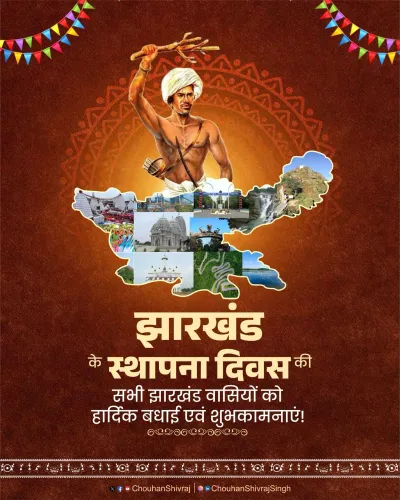
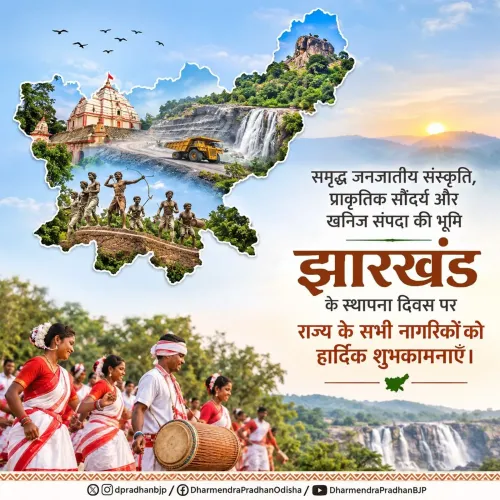
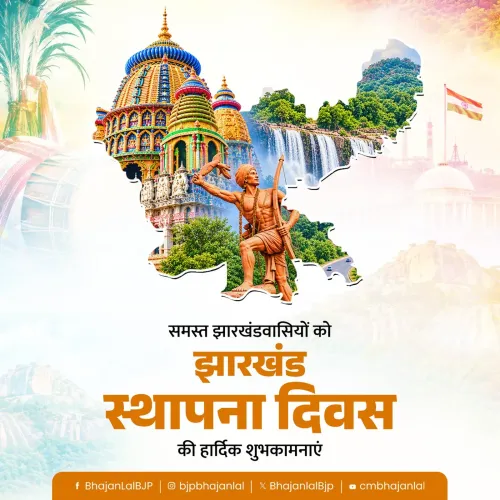
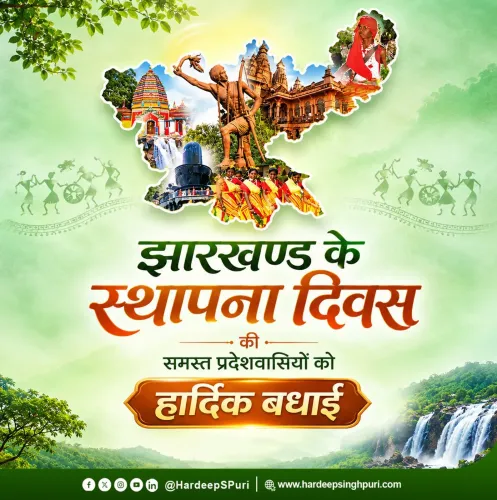
Twenty-six years after it was carved out of Bihar's southern districts, Jharkhand marks its Foundation Day on 15 November 2026 — and Union Defence Minister Rajnath Singh has extended warm greetings to every resident of the mineral-rich eastern state, honouring its tribal heritage and the quiet, indispensable role its people play in India's growth story.
In a post on X, Singh wrote: 'Jharkhand rajya ke sthapna divas par sabhi pradeshvasiyon ko hardik badhai evam shubhkamnaen' — 'Heartfelt congratulations and best wishes to all residents on Jharkhand's Foundation Day.' He described the state as enriched by natural wealth, a vibrant tribal legacy, and distinctive cultural traditions, adding that its hardworking and talented people have made 'invaluable contributions to the nation's progress.' His closing wish: that Jharkhand continue to advance steadily on the path of progress and prosperity.
India's 28th State and Its Mineral Backbone
Jharkhand came into existence on 15 November 2000 under the Bihar Reorganisation Act, becoming India's 28th state. The date was chosen deliberately — it is also the birth anniversary of tribal icon Birsa Munda, a symbol of indigenous resistance and pride across the Chhota Nagpur plateau. The state sits atop some of the country's richest deposits of coal, iron ore, copper, and mica, making it a linchpin of India's industrial supply chain even as large sections of its population remain rooted in forest-based livelihoods.
Jharkhand's tribal communities — among the largest concentrations in any Indian state — have long shaped its cultural identity, from the Sarhul and Karma festivals to its distinctive Santali, Ho, and Mundari languages. Singh's reference to 'samridh janjatiya virasat' (rich tribal heritage) directly acknowledges this dimension, one that sits at the heart of debates around land rights, displacement, and forest governance in the region.
A Federal Gesture With Deeper Significance
Senior central ministers routinely extend greetings on state formation anniversaries — it is a well-worn thread in India's federal fabric. But for a state like Jharkhand, where tribal welfare, mining royalties, and central development schemes intersect with sharp political contest, the symbolism carries weight beyond the ceremonial. The state has seen multiple changes of government and remains a closely watched electoral battleground between the BJP and regional formations.
Singh himself, as a former Union Home Minister and long-serving senior leader, brings institutional heft to such greetings — they signal the Centre's continued attention to a state whose resource wealth and demographic profile make it strategically significant in both economic and political terms.
Jharkhand turns 26 still carrying the promise its founders envisioned — the question is how quickly that promise translates into broad-based prosperity for the communities whose heritage defines it.
Point of View
But it arrives with political subtext: Jharkhand is a fiercely contested state where the BJP has repeatedly sought to consolidate its hold among tribal and OBC voters. By foregrounding tribal heritage and natural wealth — rather than specific central schemes — Singh strikes a culturally resonant note without wading into policy specifics. The choice of language (Hindi, accessible and warm) also signals an appeal to the state's heartland electorate. For a senior leader of his stature, such gestures are low-cost but high-visibility touch-points in a state that matters deeply to the party's eastern-India calculus.
NationPress
15 Nov 2026
Frequently Asked Questions
When was Jharkhand formed as a separate state?
Jharkhand was formed on 15 November 2000 as India's 28th state , carved out of the southern districts of Bihar under the Bihar Reorganisation Act.
Why is Jharkhand Foundation Day celebrated on 15 November?
15 November was chosen for Jharkhand's statehood because it coincides with the birth anniversary of tribal freedom fighter Birsa Munda , a revered icon for the region's indigenous communities.
What did Rajnath Singh say on Jharkhand Foundation Day 2026?
Rajnath Singh extended 'heartfelt congratulations and best wishes' to all Jharkhand residents, praising the state's natural wealth, tribal heritage, and the invaluable contributions its people have made to national progress.
What is Jharkhand known for?
Jharkhand is known for its vast mineral reserves — including coal, iron ore, copper, and mica — as well as its large tribal population and rich cultural traditions rooted in communities such as the Santali, Ho, and Munda peoples.
Who is Rajnath Singh?
Rajnath Singh is India's Union Defence Minister and a senior BJP leader. He has previously served as Union Home Minister and as Chief Minister of Uttar Pradesh .