Kishan Reddy Greets Jharkhand on Foundation Day
Synopsis
On Jharkhand's 26th Foundation Day, Union Coal and Mines Minister G. Kishan Reddy celebrated the state's tribal culture — Sarhul, Karma, Chhau dance, Sohrai-Khovar paintings — while underlining how Bokaro and West Singhbhum's mineral reserves underpin India's energy security and industrial growth.
Key Takeaways
Jharkhand's 26th Foundation Day falls on 15 November 2026 , marking its creation from Bihar in 2000.
Union Coal Minister G.
Kishan Reddy extended greetings, addressing Chief Minister Hemant Soren of the JMM directly.
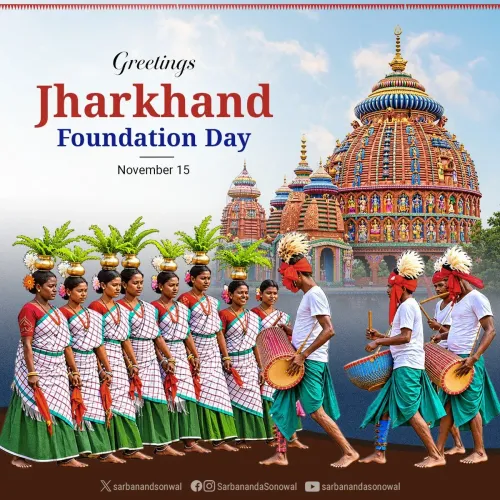
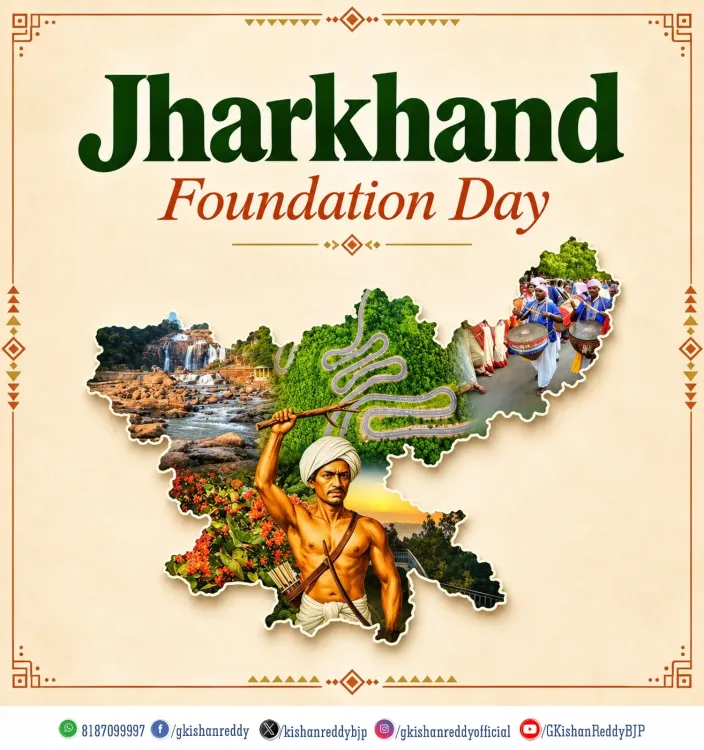
Reddy highlighted Sarhul , Karma , Seraikela Chhau dance , and Sohrai-Khovar paintings as defining elements of Jharkhand's tribal identity.
He specifically named Bokaro and the iron-ore belt of West Singhbhum as key contributors to India's energy security and industrial growth.
The message reflects the Coal Ministry's strategic interest in Jharkhand, whose mineral deposits are critical to India's steel and power sectors.
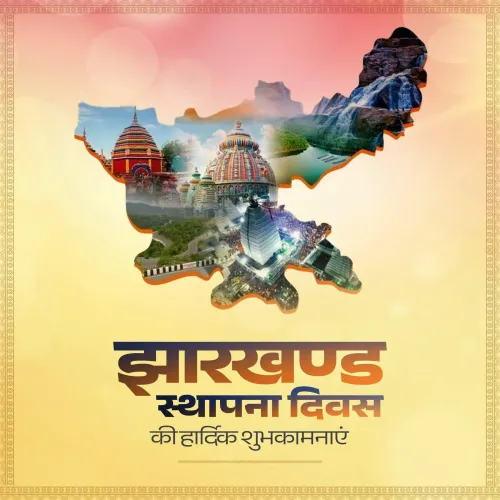
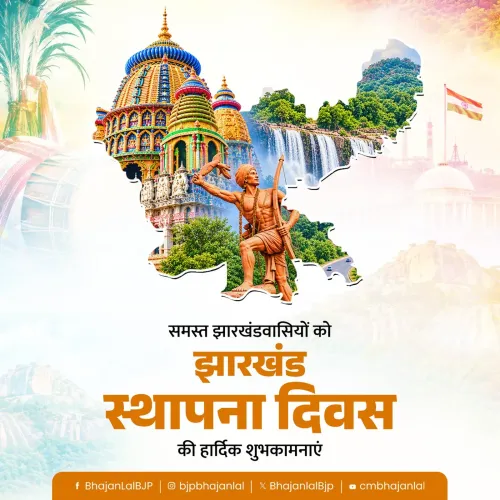
Twenty-six years after it was carved out of Bihar, Jharkhand marks its State Foundation Day on 15 November 2026 — and Union Coal and Mines Minister G. Kishan Reddy used the occasion to salute both the state's tribal soul and its outsized role in powering India's industrial engine.
Sarhul, Chhau, and the culture Jharkhand guards
Reddy's message led with identity before industry. He singled out festivals Sarhul and Karma, the acrobatic Seraikela Chhau dance, and the ancient cave-art tradition of Sohrai-Khovar paintings as the cultural pillars that define Jharkhand's tribal heritage. The shout-out is not incidental — tribal communities make up roughly a third of the state's population, and their cultural assertion has long been central to the separate-statehood movement that gave birth to Jharkhand in 2000.
Bokaro, West Singhbhum, and the mineral belt that matters nationally
Reddy then pivoted to the economic weight Jharkhand carries for the country. He specifically named Bokaro — home to one of India's largest public-sector steel plants — and the iron-ore belt of West Singhbhum as contributors to India's energy security and industrial growth. The framing is familiar from the Coal Ministry's playbook: Jharkhand's subsoil is not just a state asset, it is a national strategic reserve. The state sits atop some of India's richest deposits of coal, iron ore, copper, and mica, making it a linchpin for the steel and power sectors alike.
Reddy addressed his greetings to Chief Minister Hemant Soren of the Jharkhand Mukti Morcha (JMM), tagging him directly — a gesture that, across the political divide, underscores the Centre's interest in keeping bilateral ties functional on mining and tribal-welfare coordination.
A founding anniversary that carries policy weight
Jharkhand was formally established on 15 November 2000, the birth anniversary of tribal icon Birsa Munda — a date chosen deliberately to anchor the new state's identity in its indigenous roots. For the Coal Ministry, foundation day is also an implicit reminder of how deeply the Centre depends on Jharkhand's mineral output: any friction over mining leases, forest clearances, or tribal land rights in the state ripples directly into national energy supply chains.
Reddy closed with a wish that Jharkhand 'continue to preserve its heritage while progressing towards greater prosperity and development' — a dual mandate that neatly captures the tension the state has navigated since its birth: extracting mineral wealth without eroding the tribal culture that justified statehood in the first place.
Jharkhand turns twenty-six today. The balance between its underground riches and its above-ground heritage is the story the state is still writing.
Point of View
He frames Jharkhand's value to the Centre as simultaneously cultural and extractive — a dual recognition that keeps the Ministry's leverage visible without being transactional. Addressing Chief Minister Hemant Soren directly also signals that the BJP-led Centre is keeping channels open in a state it does not control, where mining clearances and tribal land rights remain live political flashpoints. Foundation Day messaging, in this light, doubles as soft relationship maintenance on a policy frontier the Centre cannot afford to neglect.
NationPress
15 Nov 2026
Frequently Asked Questions
When was Jharkhand formed and why is 15 November significant?
Jharkhand was established on 15 November 2000 when it was carved out of Bihar. The date was chosen to coincide with the birth anniversary of tribal freedom fighter Birsa Munda , anchoring the new state's identity in its indigenous roots.
What is the Seraikela Chhau dance mentioned by G. Kishan Reddy?
Seraikela Chhau is a masked martial dance form originating from the Seraikela region of Jharkhand. It is recognised as one of India's major classical dance traditions and is closely tied to the state's tribal heritage.
Why is Bokaro important to India's industrial growth?
Bokaro in Jharkhand hosts one of India's largest public-sector steel plants, making it a cornerstone of the country's steel-making capacity and a key node in its broader industrial supply chain.
What minerals make West Singhbhum significant?
West Singhbhum district in Jharkhand contains some of India's richest iron-ore reserves and also hosts deposits of copper and other minerals, making it strategically important for both the steel industry and energy security.
What are the Sarhul and Karma festivals celebrated in Jharkhand?
Sarhul is a spring festival celebrated by tribal communities of Jharkhand to worship the Sal tree and welcome the new year, while Karma is a harvest and nature-worship festival — both are central to the state's tribal cultural calendar.