CM Majhi vows integrated aluminium value chain for Odisha
Synopsis
Chief Minister Mohan Charan Majhi announced on 2 July 2026 that a new integrated project will develop the full aluminium value chain in Odisha — from bauxite mining to downstream manufacturing — aiming to curb raw-ore exports, drive industrialisation, and generate youth employment in line with 'Samruddha Odisha 2036' and 'Viksit Bharat 2047'.
Key Takeaways
CM Mohan Majhi announced a project to build a fully integrated aluminium value chain in Odisha , covering bauxite mining, alumina refining, smelting, captive power, and downstream production.
The government's stated goal is to move beyond raw mineral exports and create employment for youth through value addition and industrialisation.
The project is anchored to 'Samruddha Odisha 2036' , timed to the centenary of Odisha's formation in 1936 , and the national 'Viksit Bharat 2047' vision.
Odisha already hosts NALCO , India's first integrated bauxite-to-aluminium facility, giving the state an established industrial base for expansion.
Key pending milestones include environmental and forest clearances, land acquisition, and release of detailed project reports with investment and employment figures.
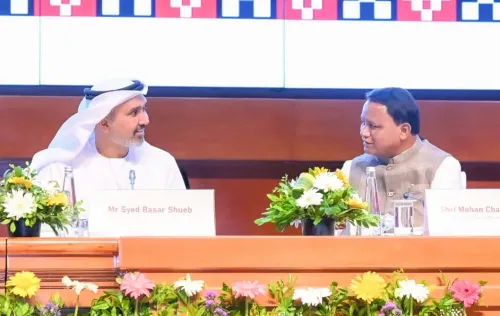
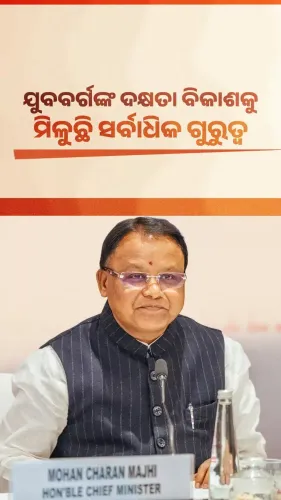
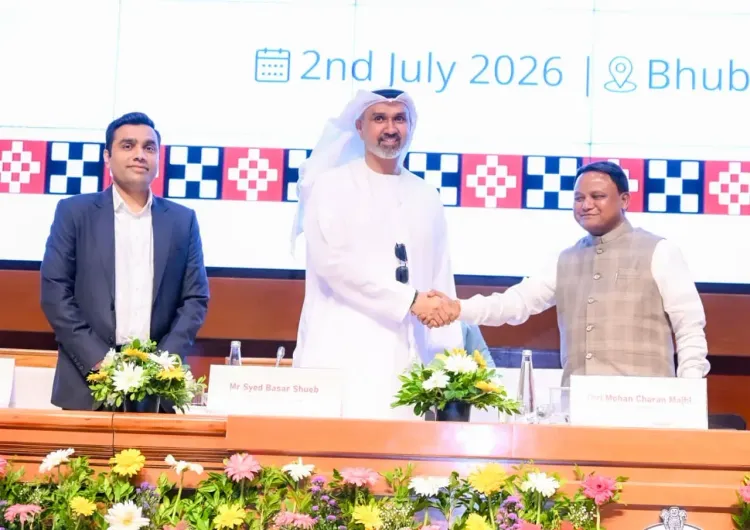
Chief Minister Mohan Charan Majhi on 2 July 2026 declared that a new project will develop a fully integrated aluminium value chain in Odisha, covering bauxite mining, alumina refining, aluminium smelting, captive power plants, and downstream product manufacturing. Speaking at an event organised on the occasion, he said the state government's core goal is not merely to export raw minerals but to drive industrialisation and create employment for the youth through broad-based value addition.
Context
The Chief Minister's Office shared CM Majhi's remarks in Odia, stating: 'ଏହି ପ୍ରକଳ୍ପ ମାଧ୍ୟମରେ ଓଡ଼ିଶାରେ ବକ୍ସାଇଟ୍ ଖଣି କାର୍ଯ୍ୟ, ଆଲୁମିନା ରିଫାଇନିଂ, ଆଲୁମିନିୟମ୍ ସ୍ମେଲଟିଙ୍ଗ...' ('Through this project, bauxite mining, alumina refining, aluminium smelting... will be developed in Odisha'). The remarks signal a deliberate policy pivot: instead of shipping raw ore out of the state, Odisha intends to capture each stage of the aluminium production chain within its borders, along with the associated jobs and tax revenues.
Odisha holds some of India's largest bauxite deposits, concentrated in the districts of Koraput, Kalahandi, and Rayagada. The state already hosts National Aluminium Company Limited (NALCO), a central public-sector undertaking established in 1981, which operates India's first fully integrated bauxite-to-aluminium facility — from mines at Panchpatmali to the alumina refinery at Damanjodi and the smelter at Angul.
Policy Backdrop
Odisha's Industrial Policy Resolution of 2022 had already prioritised integrated aluminium value-chain projects specifically to reduce raw-ore exports, building on a 2015 policy that offered incentives for downstream mineral processing and captive power plants. CM Majhi's statement on 2 July 2026 reinforces that direction with explicit political commitment at the highest level.
The project also aligns with the central government's Atmanirbhar Bharat initiative and Production-Linked Incentive schemes designed to boost domestic manufacturing of aluminium products. The Chief Minister linked the project to two larger visions: 'Samruddha Odisha 2036' — the state's own prosperity blueprint timed to coincide with the centenary of Odisha's formation in 1936 — and 'Viksit Bharat 2047', the national goal of a fully developed India by the centenary of Independence.
Stakeholders and Impact
The most direct beneficiaries identified by CM Majhi are Odisha's youth, with employment generation cited as a primary objective alongside industrialisation. Downstream aluminium fabrication — covering products such as rolled sheets, extrusions, foils, and auto components — typically generates significantly more jobs per tonne of output than raw-ore or even primary-metal production.
Mining-affected communities in the mineral belt stand to gain from infrastructure development pledged as part of the integrated project. However, environmental and forest clearances for new bauxite leases, land acquisition timelines, and the release of detailed project reports with specific investment and employment targets remain critical milestones that will determine the project's real-world impact.
What's Next
The state government has declared it is 'committed to building Odisha as a leading industrial state by 2036', the year marking 100 years of the state's formation. Observers will watch for formal project agreements, environmental clearance filings, and investment figures that translate the Chief Minister's vision into concrete timelines. The success of the integrated aluminium strategy could serve as a template for other mineral-rich states seeking to move beyond raw-material exports toward higher-value domestic manufacturing.
Point of View
A transition that state policy documents have promised for years but rarely delivered at scale. CM Majhi's explicit framing around youth employment is politically significant ahead of the state's centenary in 2036, tying industrial ambition to a tangible electoral promise. Linking the project to both 'Samruddha Odisha 2036' and 'Viksit Bharat 2047' allows the BJP-led state government to position itself as aligned with the Centre's economic nationalism narrative. The real test will lie in securing environmental clearances for new bauxite leases and translating the vision into signed investment agreements with concrete job numbers.
NationPress
2 Jul 2026
Frequently Asked Questions
What is the integrated aluminium project announced by CM Majhi in Odisha?
Chief Minister Mohan Majhi announced a project to develop the complete aluminium value chain in Odisha, including bauxite mining, alumina refining, aluminium smelting, captive power plants, and downstream aluminium product manufacturing, with the aim of creating youth employment and driving industrialisation.
What is Samruddha Odisha 2036?
'Samruddha Odisha 2036' is the Odisha state government's vision document targeting a prosperous and industrially leading Odisha by 2036, which coincides with the centenary of the state's formation in 1936.
Why does Odisha want to stop exporting raw bauxite?
Odisha wants to move beyond raw-ore exports to capture higher economic value and create more jobs within the state by processing bauxite into alumina, then aluminium, and further into finished products — a strategy that generates significantly more employment and tax revenue than raw mineral shipments.
What is NALCO and how is it connected to Odisha's aluminium sector?
NALCO, or National Aluminium Company Limited, is a central public-sector undertaking established in 1981 that operates India's first fully integrated bauxite-to-aluminium facility in Odisha, from mines at Panchpatmali to the refinery at Damanjodi and the smelter at Angul.
How does the Odisha aluminium project relate to Viksit Bharat 2047?
'Viksit Bharat 2047' is the national goal of making India a fully developed nation by 2047, and CM Majhi has framed Odisha's integrated aluminium industrialisation as a direct contribution to this vision through domestic value addition and manufacturing growth.