CM Majhi's 16th Niyukti Mela Hands Jobs to 1,326 in Odisha
Synopsis
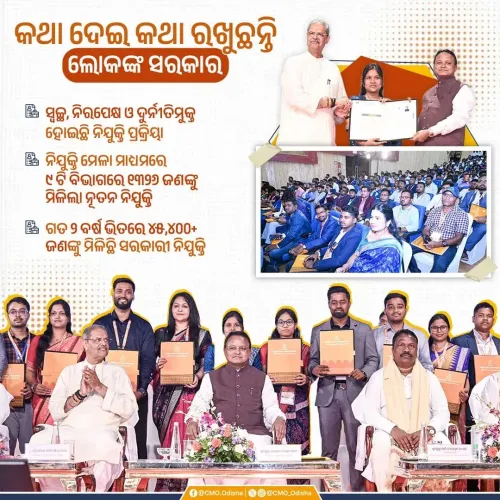
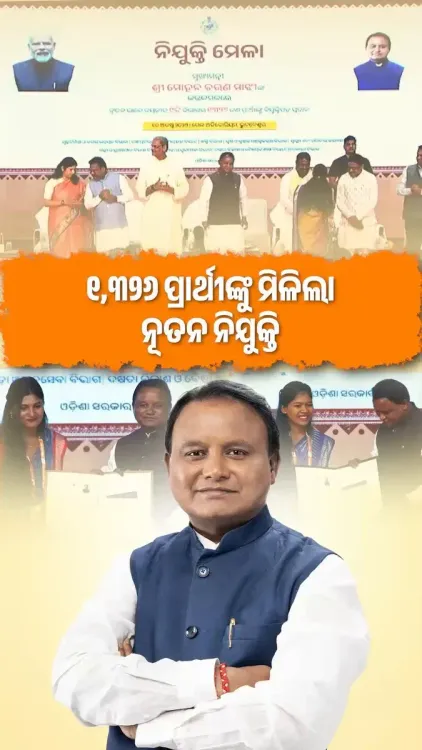
Odisha Chief Minister Mohan Charan Majhi announced 1,326 appointments across nine departments through the 16th Niyukti Mela on 10 August 2026, bringing total government hires under his administration past 45,000 in under two years, with transparency and merit-based selection as the stated pillars.
Key Takeaways
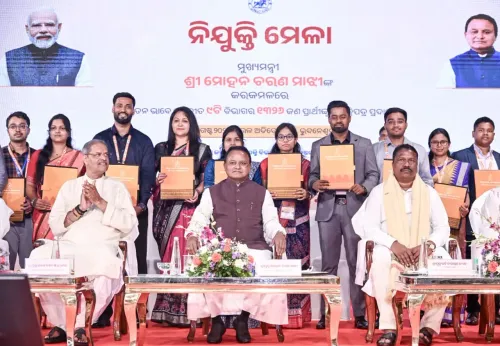
The 16th Niyukti Mela in Odisha distributed 1,326 government appointments across nine departments on 10 August 2026 .
The Majhi government has now appointed over 45,000 people to state government positions since taking office in June 2024 .
CM Mohan Charan Majhi framed the drive around three pillars: clean recruitment, empowered youth, and a prosperous Odisha.
The mela format is a deliberate contrast to recruitment irregularities that dogged previous administrations in the state.
Sixteen such fairs in roughly 24 months represents one of the more sustained public recruitment cadences among Indian states.
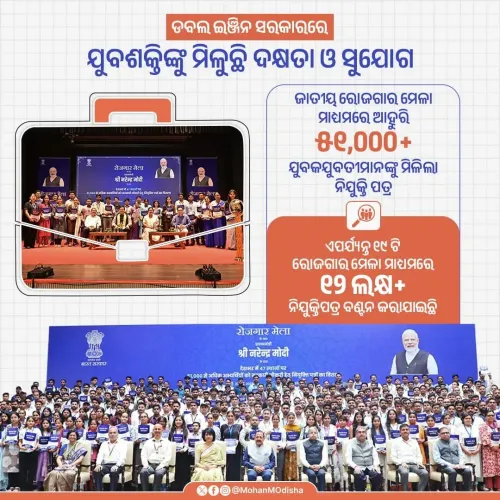
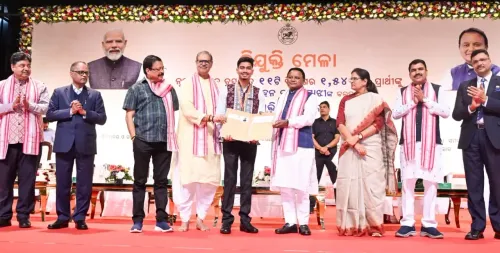
Over 45,000 young Odias have walked out of government offices with appointment letters in just two years — and on 10 August 2026, Odisha Chief Minister Mohan Charan Majhi added 1,326 more to that count through the 16th Niyukti Mela, spanning nine government departments.
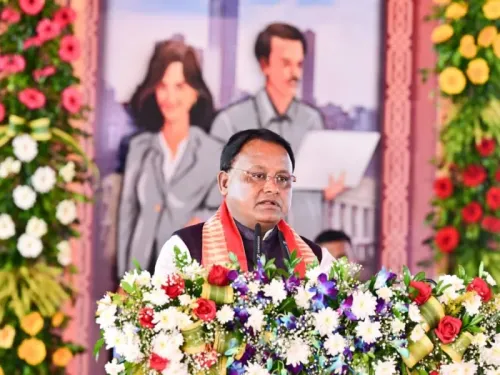
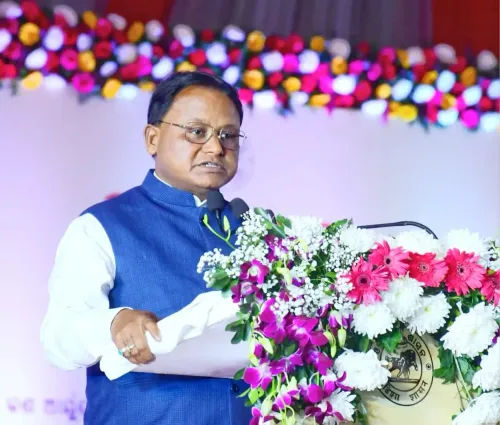
Posting in Odia, CM Majhi declared: 'ସ୍ୱଚ୍ଛ ନିଯୁକ୍ତି, ସଶକ୍ତ ଯୁବଶକ୍ତି, ସମୃଦ୍ଧ ଓଡ଼ିଶା' — 'Clean recruitment, empowered youth, prosperous Odisha' — framing the mela not just as a hiring drive but as a statement of governance intent.Nine departments, one afternoon, 1,326 lives changed
The 16th Niyukti Mela brought together aspirants from across the state, with appointments distributed across nine departments in a single structured event. The format — public, transparent, merit-driven — is itself the message. Previous administrations in Odisha faced sustained criticism over recruitment irregularities; the current government has made the open mela format a recurring, visible rebuttal to that legacy.
Since CM Majhi took office in June 2024 following the BJP's decisive victory in the Odisha assembly elections, the state has held sixteen such fairs. The cumulative number — 45,000-plus government appointments in under two years — is the figure the Chief Minister is now anchoring his administration's youth record on.
Transparency as policy, not just promise
State governments across India have long used recruitment melas as political theatre. What distinguishes Odisha's current run is the cadence: sixteen editions in roughly twenty-four months signals institutional rhythm, not a one-off event before an election. BJP-ruled states have broadly leaned into merit-based, publicly conducted hiring as a trust-building tool, and Odisha's version is among the more sustained examples.
CM Majhi's post frames the opportunity in generational terms — 'ଯୁବପିଢ଼ିର ସ୍ୱପ୍ନକୁ ମିଳୁଛି ନୂଆ ଡେଣା' ('the dreams of the youth generation are getting new wings') — language that maps a bureaucratic process onto an aspirational arc. For a state where government employment remains a primary marker of upward mobility, that framing lands with weight.
The watch now is whether the remaining departments outside these nine announce their own tranches — and whether the state government sets a formal annual hiring target that can be measured against.
Point of View
000 appointments in two years gives CM Majhi a concrete, defensible record on youth employment ahead of any future accountability moment. The open-fair format also makes the process visible and auditable in a way that backroom hiring never was, raising the stakes if irregularities were ever to surface. For the opposition, the challenge is no longer denying the numbers but questioning whether the quality, distribution, and permanence of these positions match the headline figures.
NationPress
10 Aug 2026
Frequently Asked Questions
What is the Odisha Niyukti Mela?
The Niyukti Mela is a government recruitment fair held by the Odisha state government to fill public sector positions through open, merit-based selection processes. The 16th edition was held on 10 August 2026.
How many jobs were given in the 16th Niyukti Mela in Odisha?
The 16th Niyukti Mela appointed 1,326 candidates across nine government departments in Odisha.
How many government jobs has CM Majhi given in Odisha since 2024?
Since Chief Minister Mohan Charan Majhi took office in June 2024, the Odisha government has provided over 45,000 government appointments through its Niyukti Mela series and related recruitment drives.
Why did the Odisha government start the Niyukti Mela series?
The fairs were launched after the BJP came to power in 2024, partly to address longstanding criticism of recruitment irregularities under previous administrations and to demonstrate transparent, merit-based hiring.
Which departments were covered in the 16th Odisha Niyukti Mela?
The 16th Niyukti Mela covered nine government departments , though the specific department names were not individually listed in the Chief Minister's announcement.