CM Manik Saha Holds 69th 'Mukhyamantri Samipeshu' Grievance Session
Synopsis
Tripura Chief Minister Dr. Manik Saha held the 69th session of 'Mukhyamantri Samipeshu' on 8 July 2026, directly hearing citizen grievances and issuing on-the-spot directives to officials — reinforcing the programme's role as a structured accountability mechanism between the state government and its people.
Key Takeaways
Manik Saha conducted the 69th session of 'Mukhyamantri Samipeshu' on 8 July 2026 in Tripura .
The programme provides citizens direct access to the Chief Minister for grievance redressal, bypassing routine bureaucratic channels.
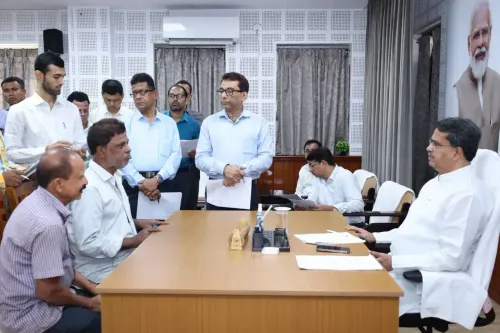
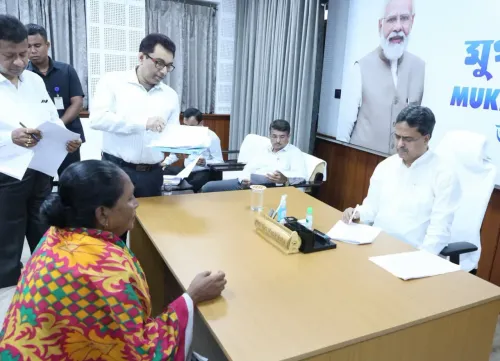
Saha personally listened to citizens and directed concerned officials to take 'prompt and effective action' on their complaints.
The initiative was introduced after the BJP formed government in Tripura following the 2018 assembly elections as part of broader citizen-outreach efforts.
The numbered, regular-session format distinguishes 'Mukhyamantri Samipeshu' from ad hoc public hearings, signalling institutional continuity.
Follow-up action on grievances from the 69th session will be a key indicator of the programme's on-ground effectiveness.
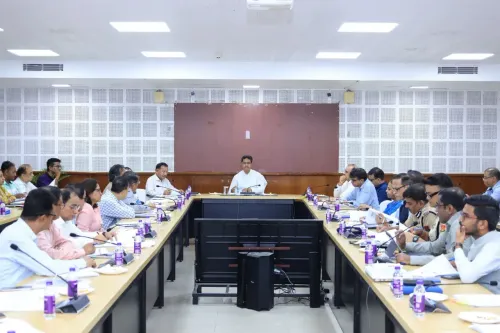
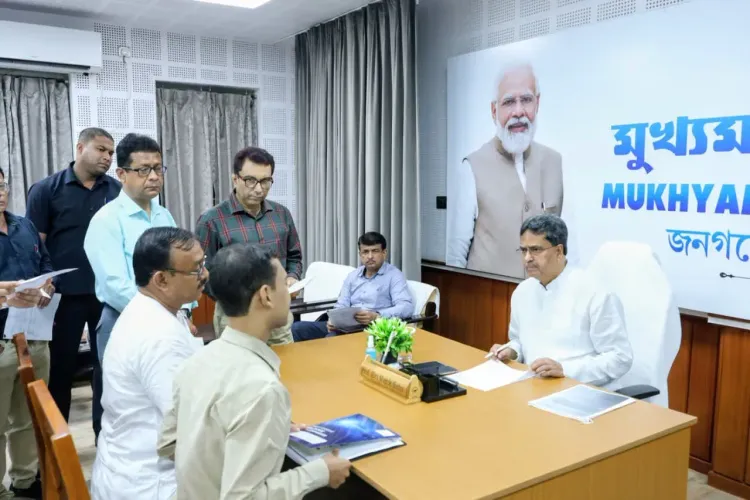
Tripura Chief Minister Dr. Manik Saha on Wednesday, 8 July 2026, conducted the 69th session of 'Mukhyamantri Samipeshu', a structured public grievance redressal programme that enables direct dialogue between the state's top executive and ordinary citizens. He personally listened to residents' concerns and directed relevant officials to act on them promptly and effectively.
Context
'Mukhyamantri Samipeshu' — loosely translated as 'In the Presence of the Chief Minister' — is a flagship citizen-outreach initiative of the Tripura government. The programme is designed to cut through bureaucratic layers and place grievances directly before the state's highest elected executive, giving citizens a structured forum to seek redress without navigating the usual administrative chain.
In his post, Dr. Saha described the programme as 'a direct link between the government and the people, ensuring that every citizen's concerns are addressed with sincerity and accountability.' He added that 'serving the people with dedication and ensuring timely solutions to their problems will always remain our highest priority.'
Policy Backdrop
After the BJP formed government in Tripura following the 2018 assembly elections, the state administration introduced a range of citizen-outreach and grievance mechanisms aimed at improving administrative responsiveness. 'Mukhyamantri Samipeshu' is among the most visible of these, holding regular sessions that bring the Chief Minister into direct contact with the public.
Public grievance hearings of this kind are not unique to Tripura; chief ministers across several Indian states maintain similar formats, from open durbars to scheduled public hearings. What distinguishes 'Mukhyamantri Samipeshu' is its regular, numbered-session format, which signals institutional continuity rather than ad hoc outreach.
Stakeholders and Impact
The primary beneficiaries of the programme are Tripura's residents, particularly those whose concerns may have stalled at lower administrative levels. By bringing grievances before Dr. Saha directly, citizens gain access to executive authority that can compel faster departmental action.
State officials, in turn, face direct accountability: the Chief Minister's on-the-spot directions to 'concerned officials to take prompt and effective action' create a public record of commitment that departments are expected to honour. This dynamic is intended to reduce the delays that often frustrate citizens dealing with mid-level bureaucracy.
What's Next
With the programme now in its 69th session, the cadence of future hearings and the documented follow-up on grievances raised on 8 July 2026 will be closely watched by governance observers and civil society in Tripura. The regularity of the sessions will serve as a practical measure of the administration's commitment to the accountability it publicly espouses.
As Tripura approaches its next electoral cycle, the visibility of programmes such as 'Mukhyamantri Samipeshu' is likely to remain a central element of the ruling dispensation's governance narrative, with each session reinforcing its image as an administration accessible to the common citizen.
Point of View
The regularity of these sessions serves a dual purpose: it projects a citizen-first image while creating a public accountability trail for state departments. Nationally, this fits a broader pattern of BJP-governed states using structured outreach programmes to differentiate their administrations on the 'responsive governance' metric. The true test, however, lies not in the frequency of sessions but in verifiable, time-bound resolution of the grievances raised within them.
NationPress
8 Jul 2026
Frequently Asked Questions
What is 'Mukhyamantri Samipeshu' in Tripura?
'Mukhyamantri Samipeshu' is a public grievance redressal programme in Tripura where citizens can directly present their concerns to Chief Minister Dr. Manik Saha, who then directs the relevant officials to take action. The programme aims to improve government accountability by removing bureaucratic barriers between citizens and the state's top executive.
How many sessions of Mukhyamantri Samipeshu have been held?
As of 8 July 2026, the programme has completed its 69th session, indicating that it has been conducted regularly since its introduction under the BJP government in Tripura.
Who conducts the Mukhyamantri Samipeshu programme?
The programme is conducted by Tripura Chief Minister Dr. Manik Saha, who personally listens to citizens' grievances during each session and issues directives to concerned state officials.
When did the Tripura government start citizen grievance redressal programmes?
The Tripura government introduced multiple citizen-outreach and grievance mechanisms after the BJP formed the state government following the 2018 assembly elections, with 'Mukhyamantri Samipeshu' being among the most prominent.
What happens to grievances raised at Mukhyamantri Samipeshu?
During each session, Chief Minister Dr. Manik Saha listens to the grievances and directs the concerned government officials to take prompt and effective action. The follow-up and timely resolution of these complaints is presented as the administration's highest priority.