CM Manik Saha Honours Panchayats for Grassroots Governance
Synopsis
Tripura Chief Minister Dr. Manik Saha on 17 July 2026 awarded high-performing Panchayats for grassroots excellence, linking the state's national recognition to PM Modi's vision of self-reliant villages as the bedrock of a Viksit Tripura and Viksit Bharat.
Key Takeaways
Manik Saha distributed awards to various Panchayats in Tripura on 17 July 2026 , honouring excellence in grassroots governance.
The Chief Minister cited multiple national-level awards received by Tripura as evidence that the state's Panchayati Raj system is on the right track.
The initiative is framed under PM Narendra Modi 's guidance and aligned with the Viksit Tripura and Viksit Bharat @2047 development vision.
India's Panchayati Raj framework is rooted in the 73rd Constitutional Amendment Act of 1992 and bolstered by the Rashtriya Gram Swaraj Abhiyan launched in 2018 .
Performance-based recognition is designed to drive competitive improvement in last-mile delivery of governance and welfare services across rural Tripura .
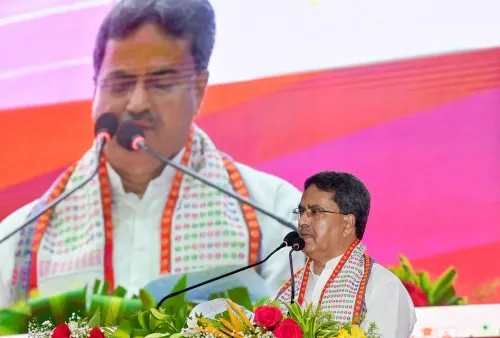
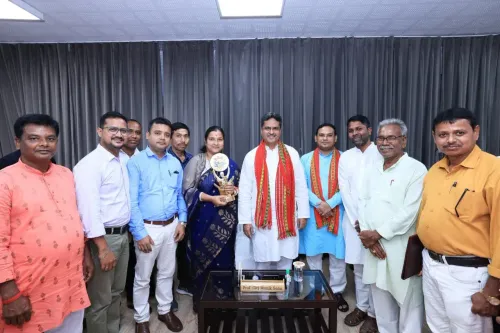
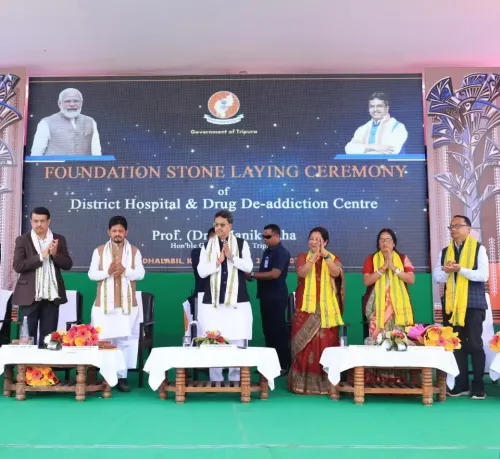
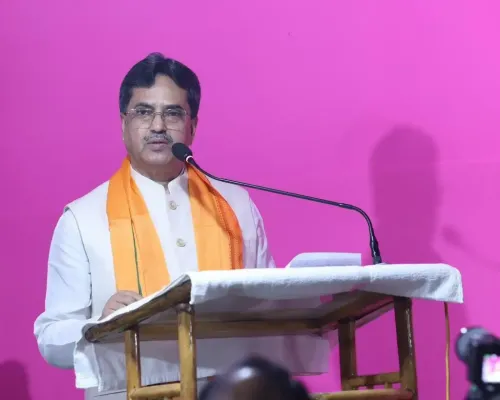
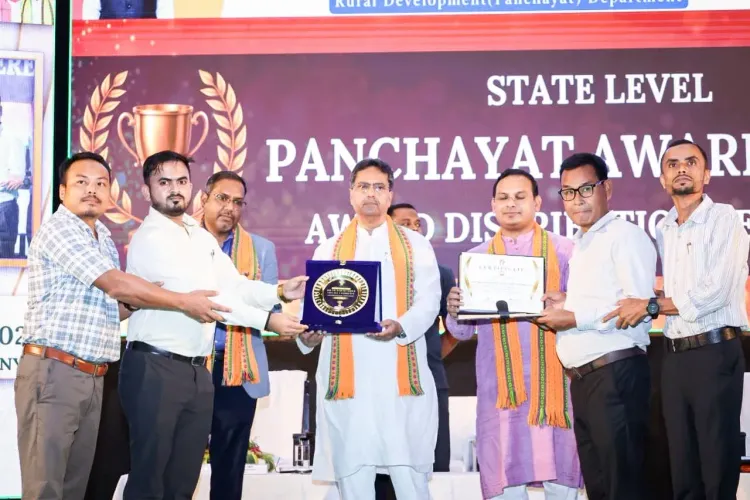
Tripura Chief Minister Dr. Manik Saha on Friday, 17 July 2026, distributed awards to high-performing Panchayats across the state, recognising excellence in grassroots governance and urging elected representatives and officials to deliver 'good governance up to the last mile.' The ceremony underscored the state government's commitment to building self-reliant villages as the foundation of a Viksit Tripura.
Context
In his post, Dr. Saha credited the initiative to the guidance of Prime Minister Narendra Modi, framing the awards as evidence that Tripura's Panchayati Raj system is 'functioning in the right direction.' He noted that the state has received multiple national-level recognitions, which he described as a 'testament to the trust and confidence of the people' in local governance structures.
The Chief Minister personally handed over the awards to various Panchayats and used the occasion to encourage elected representatives and administrative officials to sustain and deepen last-mile service delivery.
Policy Backdrop
India's three-tier Panchayati Raj system was constitutionally entrenched through the 73rd Constitutional Amendment Act of 1992, mandating devolution of powers to village, block, and district levels. The Ministry of Panchayati Raj periodically recognises outstanding Panchayats through national awards that assess performance on indicators ranging from sanitation and water supply to financial management and social inclusion.
The Rashtriya Gram Swaraj Abhiyan, launched in 2018, further strengthened the capacity and infrastructure of Panchayati Raj Institutions across states. Tripura's alignment with these central priorities accelerated after the BJP-led government came to power in the state in 2018, dovetailing state rural policy with the Viksit Bharat @2047 vision — Prime Minister Modi's framework positioning strong local institutions as building blocks for national development.
Stakeholders and Impact
The direct beneficiaries of this recognition are elected Panchayat representatives and rural communities across Tripura, whose day-to-day governance outcomes are shaped by the capacity and accountability of these institutions. Performance-based awards are designed to introduce competitive federalism at the village level, incentivising better delivery of welfare schemes, infrastructure, and civic services.
For rural households — particularly in a state like Tripura where a significant share of the population depends on agriculture and forest-based livelihoods — effective Panchayat functioning directly affects access to entitlements under central and state schemes. The state's track record of national recognition also strengthens its case for enhanced devolution of funds and administrative authority from the Centre.
What's Next
The next cycle of national Panchayat awards from the Ministry of Panchayati Raj will be a key indicator of whether Tripura sustains its performance trajectory. State-level reviews of Panchayat self-reliance indicators and possible legislative discussions on rural governance funding are expected in the months ahead. The broader momentum will also be shaped by the rollout of centrally sponsored schemes targeting village-level infrastructure and digital governance under the Viksit Bharat framework.
Point of View
Showcasing Panchayat performance serves a dual purpose: it reinforces the 'double-engine government' narrative while building a credible administrative record ahead of future electoral cycles. The alignment with the Viksit Bharat @2047 framework also positions Tripura as a model state within the party's broader developmental politics. Sustained improvement in measurable Panchayat outcomes, however, will ultimately determine whether this recognition translates into durable rural development.
NationPress
17 Jul 2026
Frequently Asked Questions
Why did Tripura CM Manik Saha give awards to Panchayats?
Chief Minister Dr. Manik Saha distributed awards to high-performing Panchayats on 17 July 2026 to recognise excellence in grassroots governance and encourage elected representatives and officials to deliver services up to the last mile.
What is Viksit Tripura?
Viksit Tripura is the state government's development vision, aligned with the national Viksit Bharat @2047 framework articulated by Prime Minister Narendra Modi, which positions strong village-level institutions as the foundation for a developed India.
Which body gives national awards to Panchayats in India?
The Ministry of Panchayati Raj administers national awards recognising outstanding performance by Panchayati Raj Institutions across Indian states on indicators such as sanitation, infrastructure, and financial management.
What is the Rashtriya Gram Swaraj Abhiyan?
The Rashtriya Gram Swaraj Abhiyan is a centrally sponsored scheme launched in 2018 to build the capacity and infrastructure of Panchayati Raj Institutions, helping them deliver better governance and welfare services at the village level.
When did Tripura's Panchayati Raj system get national recognition?
Tripura has received multiple national-level Panchayat awards in recent years, with Chief Minister Dr. Manik Saha citing this track record on 17 July 2026 as proof that the state's grassroots governance is moving in the right direction.