CM Manik Saha launches Rs 1,437 cr Agartala Underground Cabling Project
Synopsis
Tripura Chief Minister Dr. Manik Saha broke ground on the Rs 1,437 crore Agartala Underground Cabling Project on 29 October 2026, a major push to end power disruptions, curb electricity theft and modernise the state capital's distribution grid, while also launching a new Utility-Led Aggregation initiative.
Key Takeaways
Manik Saha attended the Bhumi Pujan for the Agartala Underground Cabling Project on 29 October 2026 at Bardowali Higher Secondary School Ground .
The project carries an allocation of Rs 1,437 crore , making it one of the largest power infrastructure investments in Tripura's history.
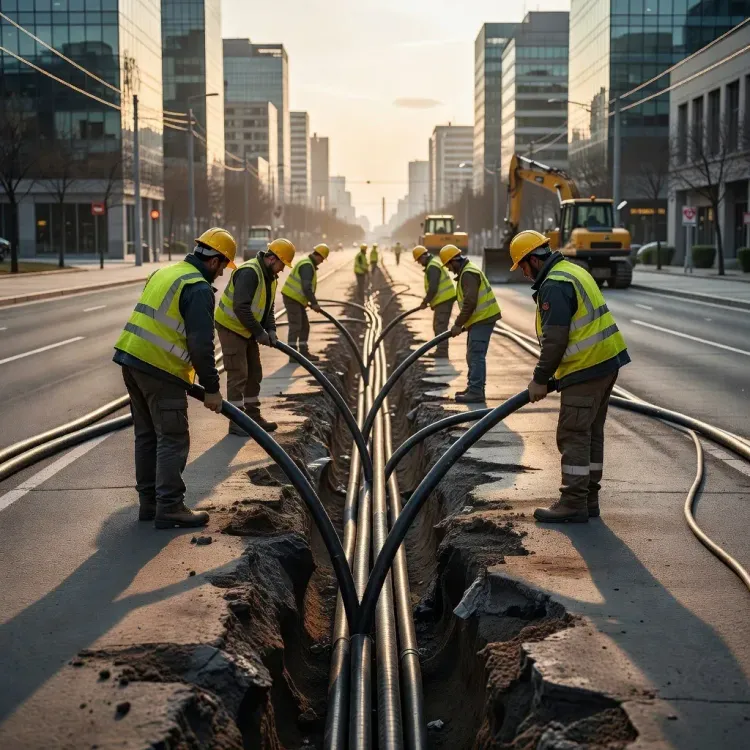
Underground cabling will target reduced power disruptions, prevention of electricity theft, enhanced public safety and improved city aesthetics by removing overhead wires.
The Utility-Led Aggregation initiative was simultaneously launched to ensure coordinated multi-utility infrastructure development across Agartala.
The project aligns with India's national Revamped Distribution Sector Scheme (RDSS) , approved in 2021 , which targets distribution modernisation and reduction of AT&C losses across states.
Northeast states including Tripura have been key focus areas for central support under national power distribution upgrade programmes.
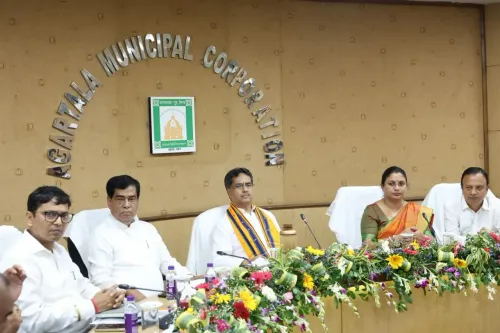
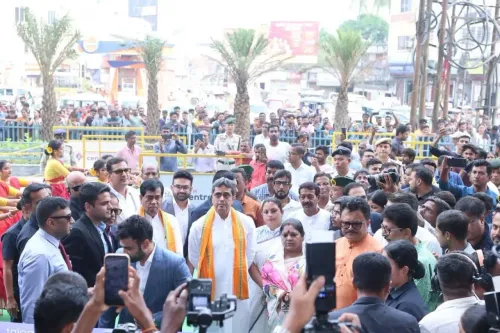
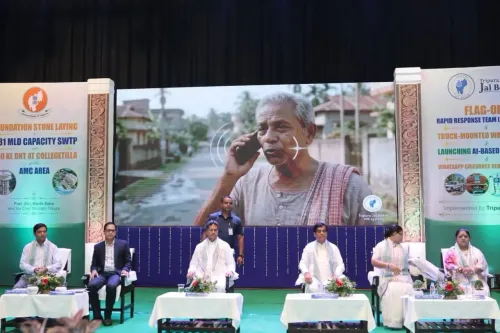
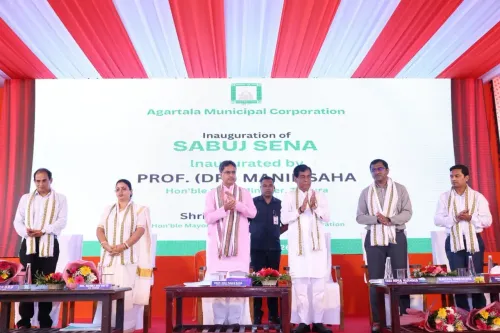
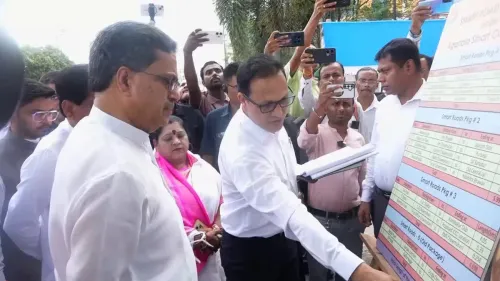
A Rs 1,437 crore wager on Agartala's future went underground on Thursday, 29 October 2026 — literally. Tripura Chief Minister Dr. Manik Saha attended the Bhumi Pujan ceremony for the Agartala Underground Cabling Project at Bardowali Higher Secondary School Ground, marking the formal ground-breaking of one of the most ambitious power-distribution upgrades the state capital has ever seen.
Why Agartala is going underground
Overhead wires have long defined Agartala's skyline — and its power woes. Snapped lines during monsoon storms, rampant electricity theft tapping into exposed cables, and the constant safety hazard of live wires threading through dense neighbourhoods: these are familiar urban scars across Indian cities. Underground cabling severs all three problems at once. The project promises to reduce power disruptions, prevent electricity theft, enhance public safety, and — almost as a side effect — give the city back a cleaner, uncluttered streetscape.
Dr. Saha called the ceremony 'a significant step towards modernising the city's power distribution infrastructure.' The ground-breaking was not merely symbolic; it set in motion a project that, when complete, will fundamentally change how electricity moves through Agartala, the capital of Tripura in India's northeast.
The Rs 1,437 crore project and its national context
The scale of the investment — Rs 1,437 crore — signals serious central and state commitment. India's Revamped Distribution Sector Scheme (RDSS), approved in 2021, was designed precisely to push modernisation of power distribution networks and cut aggregate technical and commercial (AT&C) losses across states. Northeast states, including Tripura, have been targeted beneficiaries of that national push, with distribution upgrades receiving dedicated support under the programme.
Agartala is not alone in this shift. Several Indian state capitals have moved or are moving to underground cabling to cut losses and improve urban aesthetics — but for a city of Agartala's size and the northeast's infrastructure baseline, a project of this magnitude is a genuine inflection point. What to watch next: phased rollout timelines and whether measurable improvements in Tripura's distribution losses follow.
Utility-Led Aggregation: the lesser-noticed launch that matters
Alongside the Bhumi Pujan, Dr. Saha also launched the Utility-Led Aggregation initiative — a separate mechanism aimed at strengthening coordinated development of utility infrastructure across the city. The idea is straightforward but frequently neglected in Indian urban planning: when roads are dug up for one utility, all other utilities coordinate and lay their own lines at the same time, avoiding the cycle of endless re-digging that plagues city streets. If implemented with discipline, this initiative could compound the gains of the cabling project well beyond power alone.
Together, the two launches position Agartala's infrastructure overhaul as a systemic effort — not just a single-sector fix, but a model for how the northeast's urban centres might approach utility modernisation in the years ahead.
Point of View
437 crore signals growing confidence in northeast infrastructure financing. For the BJP government in Agartala, the optics are deliberate: visible, tangible development in a frontier state is a core plank of the party's governance narrative in the northeast. The simultaneous launch of the Utility-Led Aggregation initiative suggests the administration is at least attempting systemic reform rather than piecemeal fixes. The real test will come in execution — whether disbursals stay on schedule and AT&C losses actually fall are the metrics that will determine whether this Bhumi Pujan becomes a genuine legacy or a headline.
NationPress
29 Oct 2026
Frequently Asked Questions
What is the Agartala Underground Cabling Project?
It is a Rs 1,437 crore project to replace overhead power lines in Agartala with underground cables, aimed at reducing power disruptions, preventing electricity theft, enhancing public safety and improving the city's aesthetics.
Who launched the Agartala Underground Cabling Project?
Tripura Chief Minister Dr. Manik Saha performed the Bhumi Pujan (ground-breaking ceremony) for the project at Bardowali Higher Secondary School Ground on 29 October 2026.
What is the Utility-Led Aggregation initiative launched in Agartala?
It is a new initiative launched alongside the cabling project to ensure coordinated development of utility infrastructure across Agartala, preventing repeated road digging by synchronising work across different utilities.
How does this project connect to central government schemes?
The project aligns with India's Revamped Distribution Sector Scheme (RDSS), approved in 2021, which provides central support for modernising power distribution networks and reducing AT&C losses, with northeast states as key beneficiaries.
What benefits will Agartala residents see from underground power cabling?
Residents can expect fewer power outages, reduced electricity theft, safer streets free from dangerous overhead wires, and a visually cleaner cityscape once overhead lines are replaced by underground cables.