CM Mann Announces ₹10,000 Monthly Honorarium for Punjab Sarpanches

Synopsis
Chief Minister Bhagwant Singh Mann announced at the Sarpanch Milni event on 25 June 2026 that every village sarpanch in Punjab will receive a monthly honorarium of ₹10,000 starting 15 August 2026, aimed at strengthening the Panchayati Raj system and grassroots governance across the state.
Key Takeaways
Chief Minister Bhagwant Singh Mann attended the Sarpanch Milni event on 25 June 2026 and made the honorarium announcement.
Every village sarpanch in Punjab will receive a monthly honorarium of ₹10,000 starting 15 August 2026 .
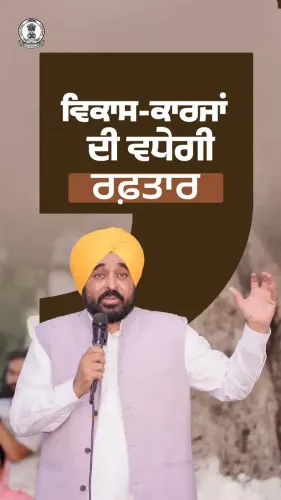
The measure is framed as a step to strengthen the Panchayati Raj system and accelerate village development.
The Panchayati Raj system draws its constitutional basis from the 73rd Constitutional Amendment Act of 1992 .
The Aam Aadmi Party government, in power in Punjab since 2022 , has positioned local governance reform as a key priority.
The budgetary allocation and disbursement mechanism for the honorarium are yet to be formally announced.
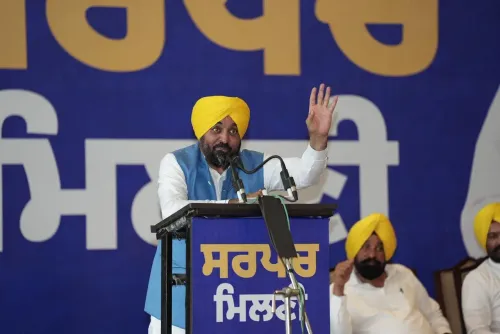
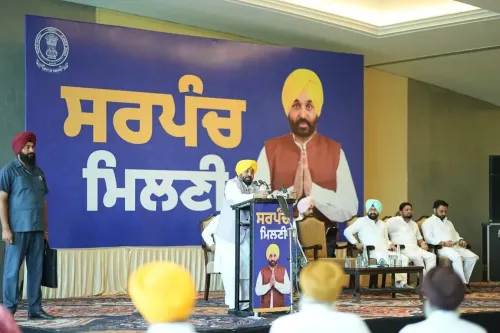
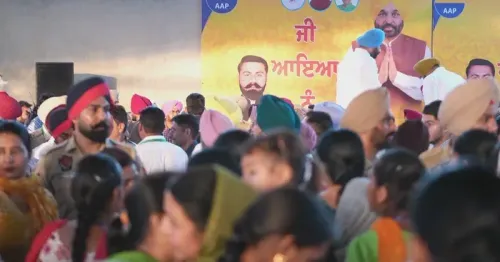
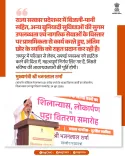
The Chief Minister's Office of Punjab announced on Thursday, 25 June 2026 that Chief Minister Bhagwant Singh Mann attended the 'Sarpanch Milni' event and declared that every village sarpanch in the state will receive a monthly honorarium of ₹10,000 starting 15 August 2026, a move the government described as a significant step toward strengthening the Panchayati Raj system and village development.
Context
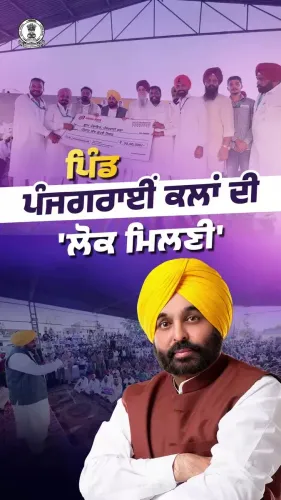
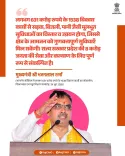
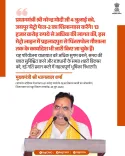
The announcement came during the Sarpanch Milni (village heads' gathering), a periodic forum convened by the Punjab government for direct interaction between the Chief Minister and elected sarpanches. Speaking at the event, CM Bhagwant Mann declared: 'From 15 August, every village sarpanch in the state will receive a monthly honorarium of ₹10,000.' The choice of Independence Day as the rollout date carries symbolic weight, framing the measure as a grassroots empowerment milestone.
The post, shared by the Chief Minister's Office of Punjab on X, was published in both Punjabi and English. In Punjabi, the announcement reads: 'ਇਹ ਫ਼ੈਸਲਾ ਪਿੰਡਾਂ ਦੇ ਵਿਕਾਸ ਅਤੇ ਪੰਚਾਇਤੀ ਪ੍ਰਣਾਲੀ ਨੂੰ ਹੋਰ ਮਜ਼ਬੂਤ ਕਰਨ ਵੱਲ ਇੱਕ ਅਹਿਮ ਕਦਮ ਹੈ' ('This decision marks a significant step towards reinforcing village development and further strengthening the Panchayati Raj system').
Policy Backdrop
The Panchayati Raj system derives its constitutional mandate from the 73rd Constitutional Amendment Act of 1992, which gave gram panchayats formal status as institutions of local self-government across India. Village sarpanches, as the elected heads of gram panchayats, are responsible for implementing both central and state government schemes at the village level — a demanding administrative role that has historically carried little or no fixed remuneration in many states.
Multiple Indian states have over the years introduced or periodically revised honorariums for sarpanches and panchayat members to address capacity and motivation gaps in rural local bodies. Punjab's latest measure follows this nationwide pattern, with the Aam Aadmi Party government — in power in the state since 2022 — positioning local governance reform as a core priority. CM Mann also serves as the national convener of the Aam Aadmi Party.
Stakeholders and Impact
Punjab is a predominantly rural state with a large number of gram panchayats spread across its districts. Every sitting village sarpanch in the state stands to benefit directly from the ₹10,000 monthly honorarium once disbursements begin on 15 August 2026. Rural communities are the indirect beneficiaries, as the measure is intended to improve the capacity and commitment of their elected village heads.
Gram panchayats in Punjab are the frontline institutions for delivering development programmes — from rural roads and sanitation to welfare scheme implementation. Providing a fixed monthly honorarium is expected to reduce financial pressure on sarpanches, many of whom serve without salary while managing significant administrative responsibilities.
What's Next
The government is yet to detail the budgetary allocation and the precise disbursement mechanism for the honorarium. Clarity on whether the amount will be transferred directly to sarpanches' bank accounts, and whether any accompanying guidelines or capacity-building programmes will be introduced, is awaited ahead of the 15 August rollout date.
With Independence Day set as the implementation deadline, the announcement is likely to be accompanied by a formal state-level event. The measure will be closely watched as a test of the Punjab government's ability to channel resources efficiently to the grassroots level of democratic governance.
Point of View
000 monthly honorarium for sarpanches is a politically visible gesture that aligns with the Aam Aadmi Party's broader strategy of direct welfare delivery to institutional stakeholders rather than only to individual citizens. By anchoring the rollout to Independence Day, CM Mann links a local governance measure to a high-visibility national occasion, maximising its symbolic reach. The move also fits a pan-India pattern where state governments compete to improve the attractiveness of grassroots democratic roles, particularly as rural local bodies face a talent and motivation deficit. The real test will be whether the disbursement infrastructure is in place by 15 August and whether the honorarium is sustained consistently in subsequent budget cycles.
NationPress
25 Jun 2026
Frequently Asked Questions
How much monthly honorarium will Punjab sarpanches receive?
Every village sarpanch in Punjab will receive a monthly honorarium of ₹10,000 , as announced by Chief Minister Bhagwant Singh Mann at the Sarpanch Milni event on 25 June 2026 .
From when will Punjab sarpanches get the ₹10,000 honorarium?
The monthly honorarium of ₹10,000 will be effective from 15 August 2026 , coinciding with Independence Day .
What is the Sarpanch Milni event in Punjab?
Sarpanch Milni is a periodic gathering convened by the Punjab government where the Chief Minister meets elected village heads (sarpanches) for direct interaction and policy announcements.
Why is Punjab giving a monthly honorarium to sarpanches?
The Punjab government stated the honorarium is aimed at strengthening the Panchayati Raj system and supporting village development by providing financial recognition to sarpanches who manage significant administrative responsibilities without a fixed salary.
What is the Panchayati Raj system in India?
The Panchayati Raj system is India's rural local self-government framework, given constitutional status by the 73rd Constitutional Amendment Act of 1992 . Gram panchayats headed by sarpanches are responsible for village-level development and implementation of government schemes.