CM Mann Inaugurates 500 Rural Gyms, Pledges 3,100 Sports Grounds by July 15
Synopsis
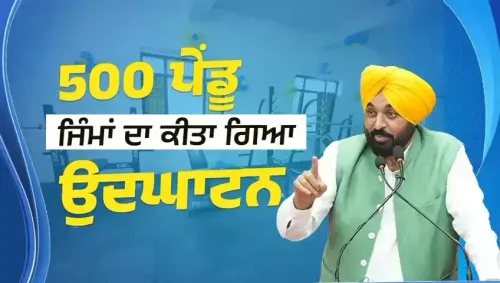
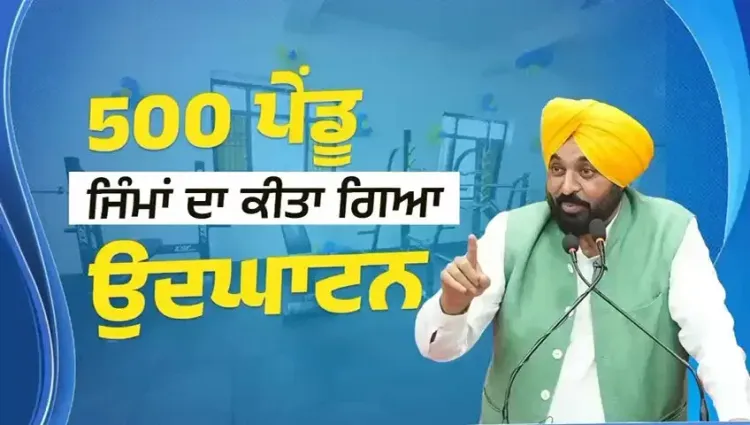
Punjab Chief Minister Bhagwant Mann inaugurated 500 rural gyms from village Chandbaja in Faridkot on 1 July 2026, and announced that 3,100 sports grounds will be dedicated to the public by 15 July — framing the mass sports infrastructure drive as the state government's key strategy to make Punjab drug-free.
Key Takeaways
500 rural gyms were inaugurated by CM Bhagwant Singh Mann on 1 July 2026 from village Chandbaja, Faridkot district .
The Chief Minister announced that 3,100 sports grounds will be dedicated to the public by 15 July 2026 .
The initiative is explicitly linked to the Punjab government's drug-free Punjab goal, framing sports as a preventive tool against substance abuse.
The launch site — Faridkot in southwestern Punjab — is among the districts historically most affected by the drug crisis.
The programme builds on the Aam Aadmi Party's 2022 election manifesto commitment to eradicate drug abuse in the state.
Rural youth across Punjab's villages are the primary intended beneficiaries of the new facilities.
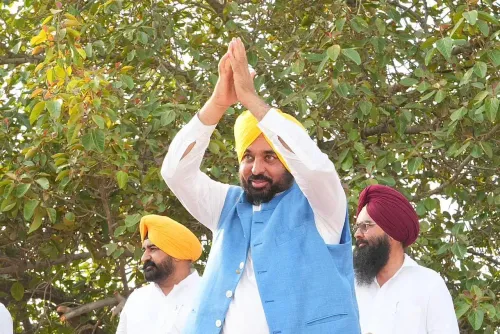
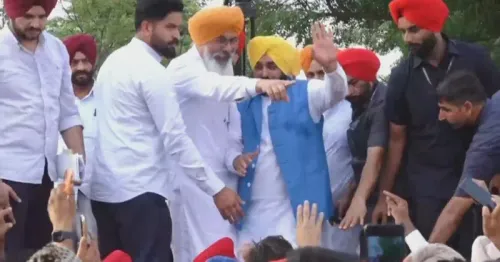
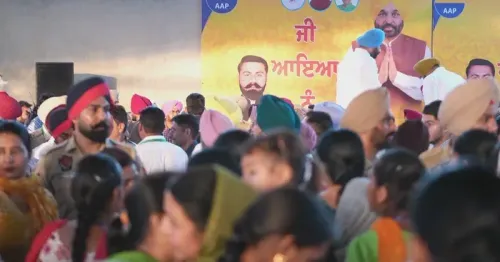
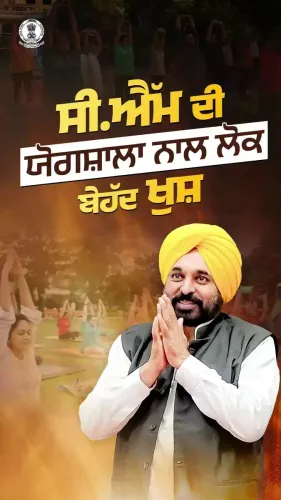
Chief Minister Bhagwant Singh Mann, through the Chief Minister's Office of Punjab, on Wednesday, 1 July 2026, inaugurated 500 rural gyms from village Chandbaja in Faridkot district, marking a significant push by the Punjab government to channel rural youth away from substance abuse through organised physical activity.
What Happened
Speaking at the inauguration, Chief Minister Mann announced that 3,100 sports grounds will also be dedicated to the public by 15 July 2026. The event, held in the southwestern Punjab district of Faridkot, was broadcast by the CMO's official X account with a video of the proceedings. The post stated — 'ਪੰਜਾਬ ਸਰਕਾਰ ਦੀ ਇਸ ਪਹਿਲਕਦਮੀ ਸਦਕਾ ਪੰਜਾਬ ਮੁਕੰਮਲ ਤੌਰ 'ਤੇ ਨਸ਼ਾ ਮੁਕਤ ਬਣੇਗਾ' — meaning: 'Through this initiative of the Punjab government, Punjab will become completely drug-free.'
Context
Punjab has recorded persistently high rates of drug addiction, particularly among young men in rural areas, for well over a decade. The problem has driven successive state governments to pursue a combination of law enforcement, de-addiction centres, and preventive community programmes. The Aam Aadmi Party (AAP), which came to power in March 2022, placed drug eradication at the centre of its election manifesto and has since framed sports infrastructure as a frontline prevention tool.
Village Chandbaja in Faridkot — a district in southwestern Punjab that has historically been among those most affected by the drug crisis — was chosen as the symbolic launch site, underscoring the government's intent to focus resources on the most vulnerable communities.
Policy Backdrop
The rural gyms and sports grounds initiative is part of a broader 'sports-for-prevention' strategy that the Mann government has pursued alongside enforcement and rehabilitation. By building physical infrastructure directly in villages, the administration aims to give rural youth structured alternatives to substance use without requiring them to travel to urban centres. Similar approaches have been adopted in other Indian states grappling with substance-abuse challenges, though Punjab's scale — 500 gyms in a single inauguration and a target of 3,100 sports grounds within weeks — is notable.
The government has framed these facilities not merely as recreational assets but as instruments of social reform, tying the sports infrastructure programme explicitly to its drug-free Punjab goal.
Stakeholders and Impact
The primary beneficiaries are rural youth across Punjab's villages, particularly in districts like Faridkot where addiction rates have historically been high. Local panchayats and village communities are expected to maintain the gyms and grounds once handed over. Community health workers and de-addiction counsellors operating in these areas may also find their outreach work bolstered by the presence of organised sporting venues that draw young people together.
For the AAP government, the programme carries both social and political weight — it is a visible, tangible delivery on a core 2022 campaign promise, arriving mid-term when the administration is keen to demonstrate progress on its marquee commitments.
What's Next
The immediate benchmark is the 15 July 2026 deadline for inaugurating 3,100 sports grounds across the state. The government's ability to meet that target on schedule will be closely watched as a test of administrative capacity. Over the longer term, analysts and civil society groups are likely to scrutinise whether the physical infrastructure translates into measurable reductions in youth drug use, or whether complementary investments in counselling, employment, and community engagement are needed to make the sports-led model effective.
Point of View
On-ground delivery on its flagship anti-drug promise, with the mid-July sports-grounds deadline serving as the next hard test of execution. Anchoring the launch in Faridkot, a district synonymous with Punjab's drug crisis, is a deliberate political and symbolic choice that ties infrastructure spending directly to the AAP's core 2022 mandate. The sports-for-prevention model is not new in India, but Punjab's stated scale is ambitious; the real measure of success will lie in whether utilisation data and addiction indicators follow the infrastructure investment. If the 15 July deadline for 3,100 grounds is met, it will strengthen the government's narrative of delivery; a slip would invite scrutiny of whether the programme is being driven by politics rather than planning.
NationPress
1 Jul 2026
Frequently Asked Questions
What did Punjab CM Bhagwant Mann inaugurate on 1 July 2026?
Punjab Chief Minister Bhagwant Mann inaugurated 500 rural gyms on 1 July 2026 from village Chandbaja in Faridkot district as part of the state's drug-free initiative.
How many sports grounds will Punjab open by 15 July 2026?
CM Bhagwant Mann announced that 3,100 sports grounds will be dedicated to the public across Punjab by 15 July 2026.
Where was the rural gyms inauguration held in Punjab?
The inauguration was held at village Chandbaja in Faridkot district, located in southwestern Punjab.
How are rural gyms connected to Punjab's drug-free mission?
The Punjab government has framed the rural gyms and sports grounds as preventive infrastructure to engage rural youth in physical activity, reducing their vulnerability to drug abuse — a strategy explicitly linked to the AAP's drug-free Punjab commitment.
What is the AAP government's drug policy in Punjab?
The Aam Aadmi Party, which formed the Punjab government in March 2022, listed drug eradication as a core manifesto promise. The current administration combines law enforcement, de-addiction centres, and large-scale sports infrastructure to address the state's substance-abuse crisis.