CM Bhagwant Mann announces grand Mata Janaki-Lav Kush temple in Amritsar
Synopsis
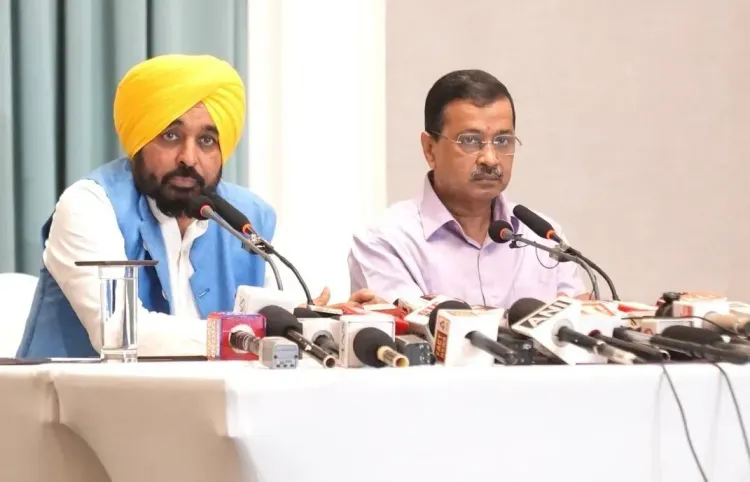
Punjab Chief Minister Bhagwant Mann, alongside AAP convenor Arvind Kejriwal, announced on 28 June 2026 that a grand temple dedicated to Mata Janaki and Lav-Kush will be built near the Bhagwan Valmiki Teerath in Amritsar, honouring the site's Ramayana heritage and the faith of crores of devotees.
Key Takeaways
Punjab Chief Minister Bhagwant Mann announced a grand temple dedicated to Mata Janaki and Lav-Kush in Amritsar on 28 June 2026 .
The announcement was made in the presence of AAP national convenor Arvind Kejriwal on the 'sacred soil' of Amritsar.
The temple will be located near the Bhagwan Valmiki Teerath , an existing revered pilgrimage site in Amritsar.
The government described the site as rooted in the belief that Bhagwan Lav and Kush were born on this land, calling it a matter of 'great pride' for Punjab.
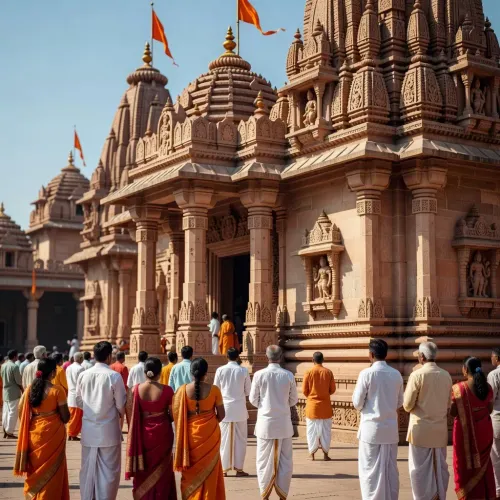
The temple is envisioned as a major faith tourism destination for devotees from India and abroad.
No specific budget, timeline, or implementing agency has been announced yet.
Punjab Chief Minister Bhagwant Mann on Sunday, 28 June 2026, announced a landmark decision to construct a grand temple dedicated to Mata Janaki and Lav-Kush near the Bhagwan Valmiki Teerath in Amritsar, describing it as a historic moment for Punjab. The announcement was made in the presence of Aam Aadmi Party national convenor Arvind Kejriwal on what Mann called the 'sacred soil' of Amritsar.
Context
Posting in Punjabi on X, Chief Minister Mann wrote: 'ਅੱਜ ਅੰਮ੍ਰਿਤਸਰ ਦੀ ਪਵਿੱਤਰ ਧਰਤੀ 'ਤੇ ਅਰਵਿੰਦ ਕੇਜਰੀਵਾਲ ਜੀ ਦੀ ਮੌਜੂਦਗੀ 'ਚ ਇੱਕ ਇਤਿਹਾਸਕ ਫ਼ੈਸਲਾ ਲਿਆ' ('Today, on the sacred soil of Amritsar, a historic decision was taken in the presence of Arvind Kejriwal ji'). He further stated that it is a matter of great pride for Punjab that the birthplace of Bhagwan Lav and Kush is believed to be this very land. The temple, he said, would stand as testimony to this 'great history for all time to come.'
The announcement places Amritsar — already home to the Bhagwan Valmiki Teerath, a revered pilgrimage site — at the centre of a new religious infrastructure project. The Valmiki Teerath is traditionally associated with the sage Valmiki, author of the Ramayana, and is venerated by the Valmiki community, a significant demographic in Punjab.
Policy Backdrop
The decision reflects a broader trend among state governments of investing in religious tourism and heritage infrastructure as both a cultural and economic policy tool. Temples and teeraths anchored to Ramayana-linked sites have seen renewed government interest across multiple Indian states in recent years, with such projects often positioned to attract pilgrims from across the country and the Indian diaspora abroad.
For the Aam Aadmi Party government in Punjab, the announcement also carries political weight. The Valmiki community holds considerable electoral significance in several Punjab constituencies, and Chief Minister Mann's framing of the project as a response to the 'faith of crores of devotees' signals the government's intent to position itself as a champion of this community's cultural and religious aspirations.
Stakeholders and Impact
The proposed temple is expected to serve devotees travelling from across India and abroad, with Mann describing the site as set to become 'a major centre of faith' for pilgrims worldwide. Its proximity to the existing Bhagwan Valmiki Teerath is likely to create a consolidated pilgrimage circuit in Amritsar, potentially boosting religious tourism in the city.
The Valmiki community, which reveres both Maharishi Valmiki and the Ramayana's narrative of Mata Sita, Lav, and Kush, is expected to be the primary beneficiary of the project. Devotees of the Ramayana tradition more broadly, including visitors from the Hindi-speaking belt and the Punjabi diaspora, are also likely to be drawn to the site once constructed.
What's Next
No formal timeline, budget figure, or implementing agency was specified in Chief Minister Mann's announcement. The government is expected to share detailed project plans, including the scale of construction and funding arrangements, in the coming weeks. Given the religious and cultural significance attached to the site, the project is likely to be fast-tracked with visible state-level attention.
If executed as envisioned, the temple complex near the Bhagwan Valmiki Teerath in Amritsar could emerge as one of Punjab's most prominent faith-tourism destinations, reinforcing the city's identity as a multi-faith spiritual hub alongside the Harmandir Sahib and other historic shrines.
Point of View
Made with AAP's national leadership visibly present, is a deliberate confluence of cultural assertion and electoral outreach — particularly toward Punjab's influential Valmiki community. By anchoring the project to Amritsar's sacred geography and invoking the Ramayana's narrative of Lav and Kush being born on this soil, the AAP government is staking a claim in the competitive space of Hindu religious identity politics that has traditionally been dominated by other parties. The move also fits a national pattern of state-sponsored religious infrastructure being deployed as both heritage preservation and soft political capital. Whether the project translates into lasting goodwill will depend on the speed and scale of its execution.
NationPress
27 Sept 2026
Frequently Asked Questions
Where will the Mata Janaki and Lav-Kush temple be built in Amritsar?
The temple will be built near the Bhagwan Valmiki Teerath in Amritsar, as announced by Punjab Chief Minister Bhagwant Mann on 28 June 2026.
Who announced the Lav-Kush temple in Amritsar?
Punjab Chief Minister Bhagwant Mann announced the temple in the presence of AAP national convenor Arvind Kejriwal during a visit to Amritsar on 28 June 2026.
Why is Amritsar considered the birthplace of Lav and Kush?
A local tradition and belief, particularly among the Valmiki community, holds that Amritsar's sacred soil is associated with the birthplace of Bhagwan Lav and Kush, sons of Mata Sita, as referenced in CM Mann's announcement.
What is the Bhagwan Valmiki Teerath in Amritsar?
The Bhagwan Valmiki Teerath is a revered pilgrimage site in Amritsar associated with the sage Valmiki, author of the Ramayana, and is a major centre of worship for the Valmiki community in Punjab.
What is the significance of this temple for the Valmiki community?
The Valmiki community, which holds deep reverence for Maharishi Valmiki and the Ramayana, stands to gain a major new place of worship and pilgrimage in Amritsar, reinforcing the city's status as a spiritual hub for the community.