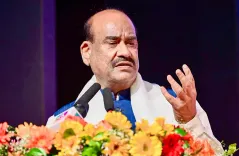
CM Mohan Yadav announces India's first integrated telecom hub in Gwalior
Synopsis
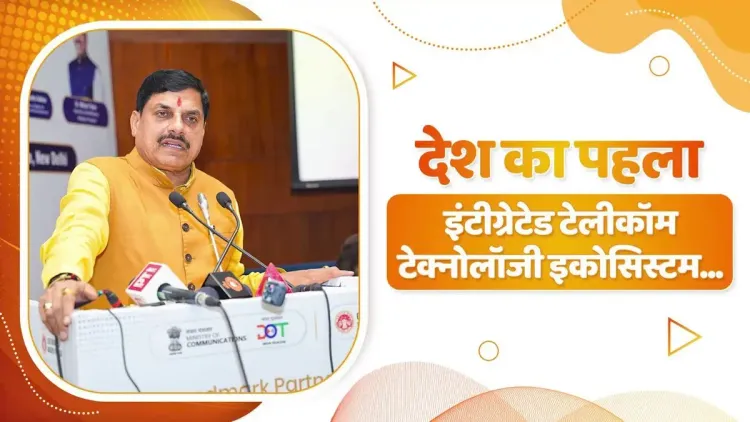
Madhya Pradesh CM Dr. Mohan Yadav has announced India's first integrated telecom technology ecosystem in Gwalior, spanning 170 acres. The project positions the historic city as a national hub for telecom manufacturing and innovation, aligned with central PLI schemes.
Key Takeaways
Madhya Pradesh CM Dr.
Mohan Yadav announced the project on July 30, 2026 .
The proposed ecosystem will span 170 acres in Gwalior , northern Madhya Pradesh.
It is described as India's first integrated telecom technology ecosystem .
Gwalior has been a focus of MP's 2023-24 industrial policy push toward tier-2 city tech infrastructure.
The project aligns with national PLI schemes for telecom equipment manufacturing.
Specific timelines, private partners, and central approvals are yet to be publicly confirmed.
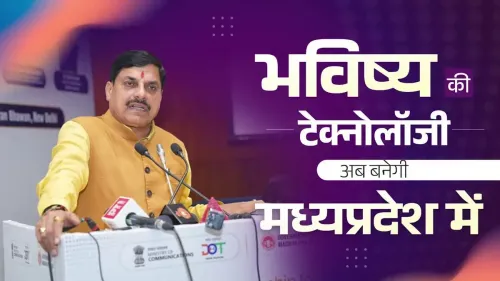
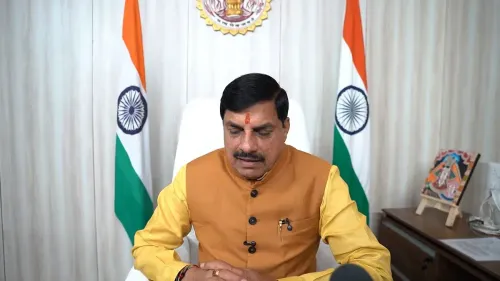
A 170-acre stretch of land in Gwalior is about to become the address of something India has never had before. Madhya Pradesh Chief Minister Dr. Mohan Yadav announced on Thursday, July 30, 2026, that the state is building the country's first integrated telecom technology ecosystem — a single, unified campus designed to anchor India's next wave of telecom manufacturing and innovation.
Posting on X, Dr. Yadav said, 'Gwalior mein hum 170 acre mein desh ka pehla integrated telecom technology ecosystem banane ja rahe hain' — 'In Gwalior, we are going to build the country's first integrated telecom technology ecosystem on 170 acres.' The scale is deliberate. At 170 acres, this is not a technology park — it is an ecosystem, designed to house the full telecom value chain under one address.
Why Gwalior, and why now
Gwalior, a historic city in northern Madhya Pradesh, has been steadily repositioned as an industrial and technology destination over the past two years. The state's 2023-24 industrial policy placed explicit emphasis on developing technology parks and IT infrastructure in tier-2 cities — a deliberate push to spread investment beyond Bhopal and Indore. Gwalior's connectivity, land availability, and existing manufacturing base made it a natural candidate for a flagship project of this scale.
The timing also fits a national race. State governments across India have aggressively competed to attract telecom and electronics manufacturing clusters, using dedicated land parcels and fiscal incentives to align with central government Production Linked Incentive (PLI) schemes for telecom equipment. Madhya Pradesh is now staking its claim with what it calls the country's first truly integrated offering — not a standalone factory or a software park, but a full-stack ecosystem.
What 'integrated' actually means for telecom
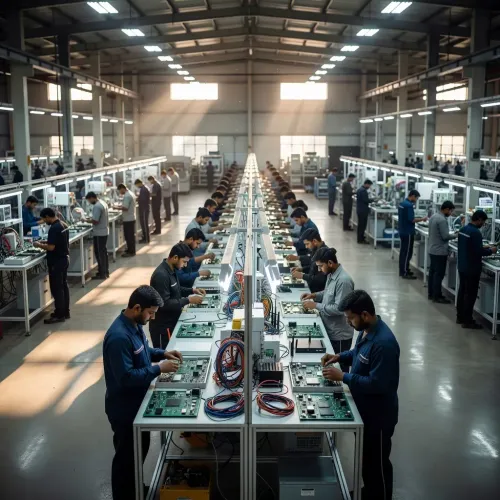
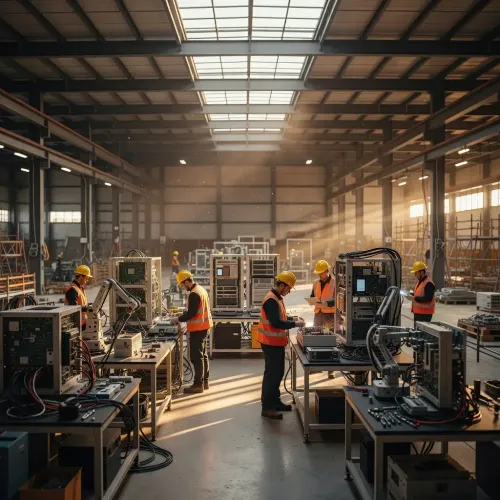
The word 'integrated' is doing significant work in this announcement. A genuine telecom technology ecosystem at this scale would typically bring together hardware manufacturing, research and development, testing facilities, and supply-chain infrastructure on a single campus — eliminating the fragmentation that has historically slowed India's telecom component production. For Gwalior's workforce and for telecom companies eyeing domestic manufacturing hubs, a consolidated campus of 170 acres signals serious state intent.
Specific project parameters — timelines, confirmed private partners, and central government approvals — are yet to be publicly detailed. The announcement sets the ambition; the MoUs and land acquisition milestones will determine the pace.
India's telecom manufacturing story has long been a story of potential unrealised. If Gwalior delivers, it will not just be a win for Madhya Pradesh — it will be a proof of concept for every tier-2 city watching.
Point of View
Dr. Mohan Yadav is positioning Madhya Pradesh not just as a beneficiary of national industrial policy but as a leader defining its template. The choice of Gwalior over established tech cities signals a broader political and economic logic — distributing the optics and the jobs of industrialisation into the BJP's Hindi-heartland base. The real test will be whether anchor tenants and central approvals follow the headline.
NationPress
30 Jul 2026
Frequently Asked Questions
What is the integrated telecom technology ecosystem announced in Gwalior?
It is a proposed 170-acre campus in Gwalior, Madhya Pradesh, described by CM Dr. Mohan Yadav as India's first integrated telecom technology ecosystem — designed to bring telecom manufacturing, R&D, and supply-chain infrastructure together in one location.
Where exactly in Madhya Pradesh will the telecom hub be built?
The project is planned for Gwalior, a historic city in northern Madhya Pradesh that has been a growing focus of the state's industrial and technology infrastructure push.
Who announced the Gwalior telecom ecosystem project?
Madhya Pradesh Chief Minister Dr. Mohan Yadav announced the project on July 30, 2026, via a post on X.
How does the Gwalior telecom project connect to central government schemes?
The project aligns with India's Production Linked Incentive (PLI) schemes for telecom equipment, which have spurred states to develop dedicated manufacturing clusters to attract investment.
Has construction on the Gwalior telecom ecosystem started?
As of the announcement, specific timelines, land acquisition details, and confirmed private or central government partnerships have not been publicly disclosed.