CM Mohan Yadav Announces Well Deepening, Survey Works in Alirajpur
Synopsis
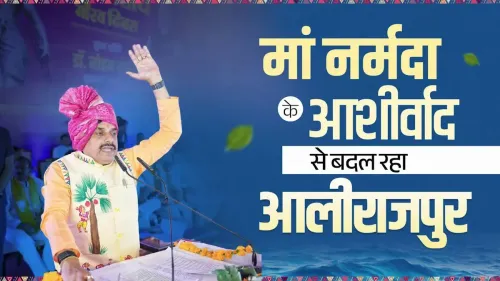
On Janjatiya Gaurav Diwas, MP Chief Minister Dr. Mohan Yadav announced well-deepening works and surveys under RBC 6-4 at Jobat in the tribal district of Alirajpur, targeting groundwater access for one of western Madhya Pradesh's most underserved communities.
Key Takeaways
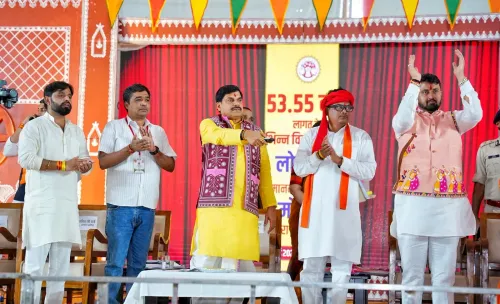
Mohan Yadav held a public event at Jobat, Alirajpur on 15 November 2026 , coinciding with Janjatiya Gaurav Diwas .
Key announcements included surveys and well-deepening works under the RBC 6-4 framework for the tribal district.
Alirajpur is a predominantly Scheduled Tribe district in western Madhya Pradesh with acute water-access challenges.
Janjatiya Gaurav Diwas is observed annually on 15 November to honour tribal leaders including Birsa Munda .
Implementation timelines and fund releases for the announced works remain to be confirmed at the district level.
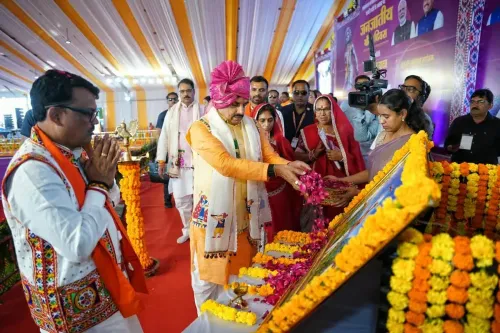
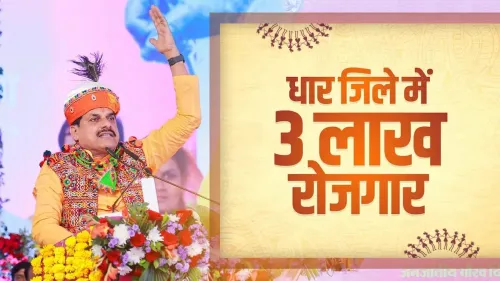
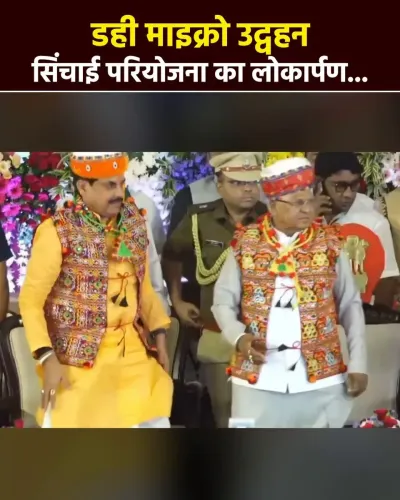
On Janjatiya Gaurav Diwas — the annual day honouring tribal icons including Birsa Munda — Madhya Pradesh Chief Minister Dr. Mohan Yadav travelled to Jobat in Alirajpur district on Sunday, 15 November 2026, to deliver a package of development commitments directly to one of the state's most tribal-concentrated regions, with well-deepening and water surveys under RBC 6-4 leading the announcements.
What Was Announced at Jobat
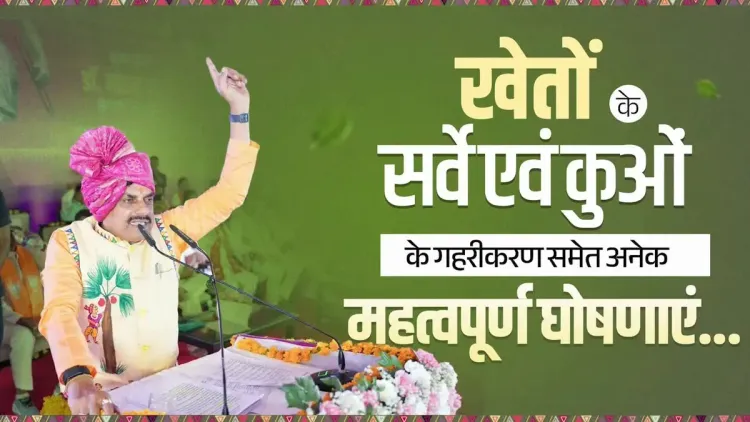
The Chief Minister's Office confirmed that Dr. Yadav made 'several important announcements' (aneka mahatvapurn ghoshanaen) at the Jobat event, centred on surveys and deepening of wells under the RBC 6-4 framework. The move targets groundwater access — a persistent challenge in Alirajpur, a predominantly tribal district in western Madhya Pradesh where rain-fed agriculture and drinking-water scarcity shape everyday life. No detailed financial outlay or timelines were specified in the official communication.
Why Alirajpur, Why Today
Alirajpur consistently ranks among Madhya Pradesh's most underdeveloped districts, with a large Scheduled Tribe population dependent on seasonal water sources and subsistence farming. Choosing Jobat as the venue for Janjatiya Gaurav Diwas announcements fits a pattern where state governments use the 15 November observance — a nationally significant date for tribal communities — to anchor visible rural infrastructure pledges in ST-majority areas. The symbolic weight of the day adds political and cultural gravity to administrative commitments.
RBC 6-4 and the Well-Deepening Push
Well deepening is among the most direct interventions available to improve agricultural resilience and drinking-water access in hard-rock terrain like Alirajpur. The RBC 6-4 scheme provides a fiscal channel for such water-conservation works in rural areas, though the precise scope of this round of activity was not detailed in the official post. Madhya Pradesh has repeatedly announced similar measures in tribal districts in previous years — the test, as always, is implementation speed and budget release at the district level.
Funds disbursed, survey timelines finalised, and district-level review meetings will be the real indicators of whether today's pledges translate into dug wells and improved water tables before the next kharif season.
Point of View
Ground-level need in Alirajpur — but announcements of this kind have a long history of slow execution in hard-to-reach tribal districts. The credibility dividend will depend on how quickly survey teams are deployed and funds released, not on the optics of the event itself.
NationPress
15 Nov 2026
Frequently Asked Questions
What is Janjatiya Gaurav Diwas and why is it observed on 15 November?
Janjatiya Gaurav Diwas is observed on 15 November every year to honour tribal freedom fighters and icons, most notably Birsa Munda , who was born on this date. The Indian government designated it as a national day of recognition for tribal culture and contributions.
What is the RBC 6-4 scheme in Madhya Pradesh?
RBC 6-4 is a government scheme framework used in Madhya Pradesh to fund rural water-conservation works including well surveys and well deepening, primarily in rural and tribal areas. The exact scope of the latest round announced at Jobat has not yet been detailed publicly.
Why did CM Mohan Yadav visit Alirajpur for Janjatiya Gaurav Diwas?
Alirajpur is one of Madhya Pradesh's most tribal-concentrated districts, making it a symbolically significant venue for Janjatiya Gaurav Diwas events. State governments regularly use the occasion to announce rural development and infrastructure measures in Scheduled Tribe areas.
What are the main water challenges in Alirajpur district?
Alirajpur faces persistent groundwater scarcity and dependence on seasonal rain-fed sources. The district's hard-rock terrain limits natural aquifer recharge, making well-deepening initiatives particularly relevant for both drinking water and agricultural needs.
Who is Dr. Mohan Yadav and when did he become Chief Minister of Madhya Pradesh?
Dr. Mohan Yadav became Chief Minister of Madhya Pradesh in December 2023 after the BJP's victory in the state assembly elections. He represents the Ujjain South constituency and has focused on rural and tribal outreach as part of his administrative agenda.