CM Mohan Yadav backs Modi's 'Vikas bhi, Virasat bhi' vision for MP
Synopsis
MP Chief Minister Dr. Mohan Yadav has endorsed PM Modi's 'Vikas bhi, Virasat bhi' call, stating that Madhya Pradesh's development model is built on balancing economic progress with cultural heritage — citing Union Minister Manohar Lal Khattar's remarks.
Key Takeaways
Mohan Yadav publicly endorsed PM Modi 's 'Vikas bhi, Virasat bhi' governance philosophy on 20 June 2026 .
He stated that Madhya Pradesh 's development model is designed to carry both development and heritage together.
The remarks were made in the context of a statement by Union Minister Manohar Lal Khattar .
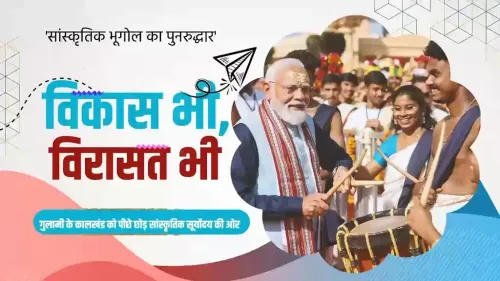
PM Modi has championed the 'Vikas bhi, Virasat bhi' slogan since at least 2014 as a national governance theme.
Madhya Pradesh hosts several major heritage and religious sites, making the dual emphasis particularly relevant to its policy landscape.
The statement reinforces alignment between the Madhya Pradesh state government and the BJP-led central government on development priorities.
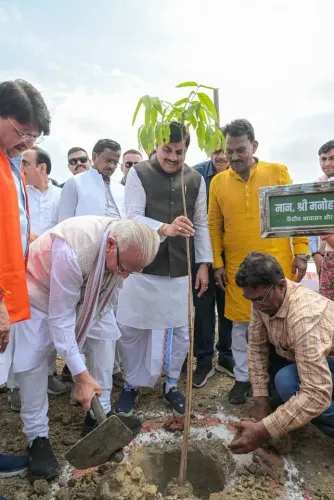
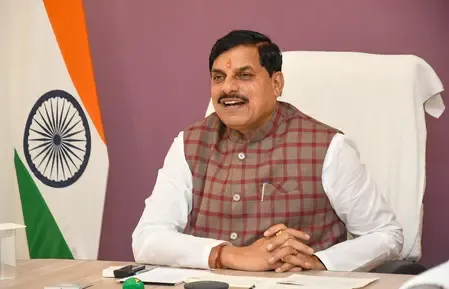
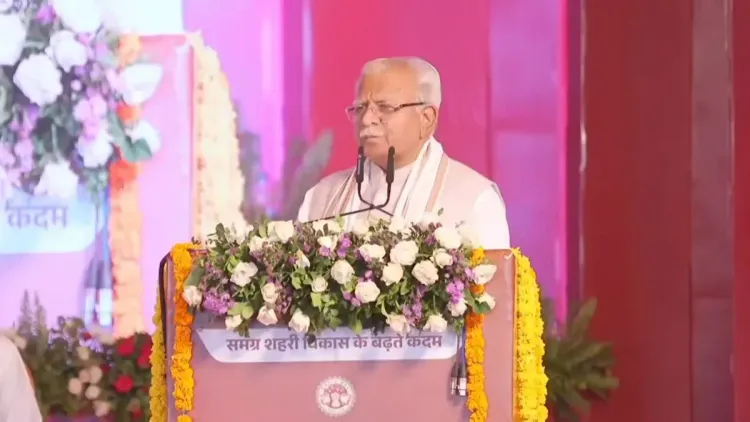
Madhya Pradesh Chief Minister Dr. Mohan Yadav on Saturday, 20 June 2026, publicly endorsed Prime Minister Narendra Modi's governance philosophy of 'Vikas bhi, Virasat bhi' — development alongside heritage — asserting that Madhya Pradesh's own development model is built on exactly this dual foundation. The remarks came in the context of a statement attributed to Union Minister Manohar Lal Khattar.
Context
In his post on X, CM Yadav quoted Union Minister Khattar and aligned himself firmly with the Prime Minister's call. Translated from Hindi, he wrote: 'Pradhan Mantri Shri Narendra Modi ji ne 'Vikas bhi, Virasat bhi' ka aahvaan kiya hai' ['Prime Minister Narendra Modi has given the call of development as well as heritage']. He added that he believes Madhya Pradesh's development model is one that carries both together.
The framing positions the state government as a practical embodiment of a national BJP governance theme, with the Chief Minister presenting Madhya Pradesh as a working template for balancing economic progress with cultural preservation.
Policy Backdrop
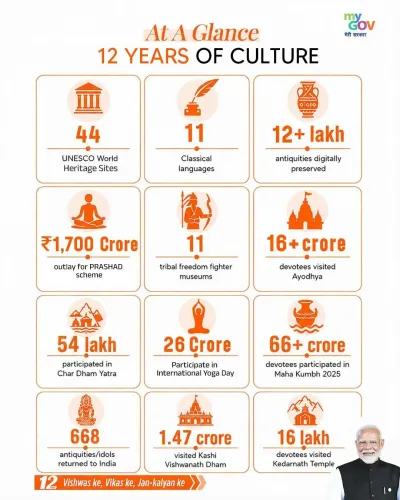
Prime Minister Modi has invoked the phrase 'Vikas bhi, Virasat bhi' consistently since at least 2014, using it to describe a governance approach that pairs infrastructure and economic growth with the protection of India's historical and civilisational assets. The slogan has become a defining rhetorical pillar of the BJP's national governance narrative.
Madhya Pradesh, governed by the BJP, has positioned itself as a state where this philosophy finds concrete expression — particularly in sectors such as tourism, urban renewal, and the management of heritage sites. The state is home to several UNESCO World Heritage Sites and major religious and cultural destinations, making the heritage dimension especially resonant in its policy context.
Union Minister Manohar Lal Khattar, a senior BJP leader and former Chief Minister of Haryana, has been associated with similar governance frameworks at both the state and central levels.
Stakeholders and Impact
The statement is directed at multiple audiences: state administrators, tourism and heritage bodies, and the broader BJP political ecosystem. By invoking Modi's framing explicitly, CM Yadav signals alignment between Bhopal and New Delhi on development priorities.
Heritage conservation bodies and state tourism departments in Madhya Pradesh stand as the most immediate institutional stakeholders. The dual emphasis also has implications for how the state allocates resources — balancing new infrastructure investment against preservation mandates at sites such as Khajuraho, Sanchi, and Orchha.
What's Next
Observers will watch for concrete policy signals — particularly in Madhya Pradesh's budget allocations and tourism policy updates — that explicitly link new development projects with heritage-site management. The Chief Minister's public endorsement of this framework may also foreshadow its more prominent role in the state's official communications and planning documents going forward.
As the BJP continues to project a unified national development narrative ahead of future electoral cycles, statements like this one from state chief ministers serve to reinforce the coherence of that message across the centre-state relationship.
Point of View
Virasat bhi' and citing a senior Union Minister in the same breath, Yadav is projecting both ideological alignment with New Delhi and a distinct state-level brand. This pattern of state BJP leaders publicly mirroring central slogans has become a consistent feature of the party's communication strategy, reinforcing a unified national image. The subtext is that Madhya Pradesh is not merely following a central directive but presenting itself as a model state for the philosophy's practical execution.
NationPress
20 Jun 2026
Frequently Asked Questions
What is 'Vikas bhi, Virasat bhi'?
'Vikas bhi, Virasat bhi' is a governance slogan championed by Prime Minister Narendra Modi, meaning 'development as well as heritage.' It describes an approach that pairs economic and infrastructure growth with the preservation of India's historical and cultural assets.
What did MP CM Mohan Yadav say about PM Modi's vision?
CM Mohan Yadav stated that Madhya Pradesh's development model is built on the same dual foundation — carrying both development and heritage together — in line with PM Modi's 'Vikas bhi, Virasat bhi' call.
Who is Manohar Lal Khattar and what is his role here?
Manohar Lal Khattar is a Union Minister in the Government of India and a senior BJP leader, previously Chief Minister of Haryana. CM Yadav's post cited his remarks as the context for endorsing the development-heritage framework.
How does Madhya Pradesh apply the 'Vikas bhi, Virasat bhi' model?
Madhya Pradesh, home to UNESCO World Heritage Sites and major religious destinations like Khajuraho, Sanchi, and Orchha, has positioned its tourism, urban renewal, and heritage-site management policies around this dual emphasis on growth and preservation.
What should we watch for next in Madhya Pradesh policy?
Budget allocations and tourism policy updates in Madhya Pradesh that explicitly link new infrastructure projects with heritage-site management will be key indicators of how the state translates this stated philosophy into concrete governance action.