CM Mohan Yadav, Gadkari Launch MP's Sugam Pariwahan Bus Scheme
Synopsis
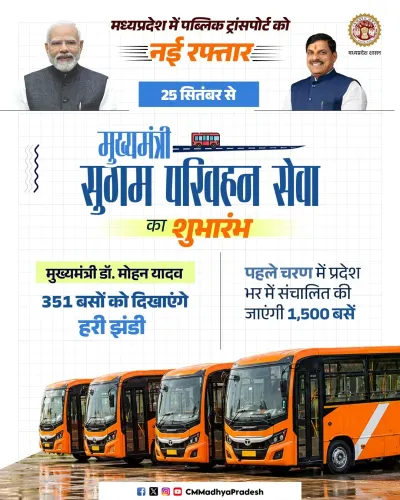
Chief Minister Dr. Mohan Yadav and Union Minister Nitin Gadkari launched the Mukhyamantri Sugam Pariwahan Seva in Bhopal on 25 September 2026, committing to 15,000 buses over five years to connect rural and small-town Madhya Pradesh.
Key Takeaways
Mukhyamantri Sugam Pariwahan Seva was launched on 25 September 2026 at BHEL Dussehra Maidan, Bhopal.
15,000 buses are to be inducted in a phased rollout over the next five years .
The scheme targets last-mile connectivity for small towns and rural areas of Madhya Pradesh.
The launch was jointly led by CM Dr.
Mohan Yadav and Union Road Transport Minister Nitin Gadkari .
The Madhya Pradesh Transport Department is the primary implementing agency.
The initiative aligns with central frameworks such as Bharatmala Pariyojana and the Ministry's fleet modernisation agenda.
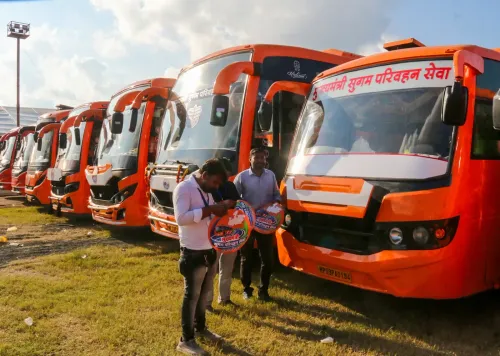
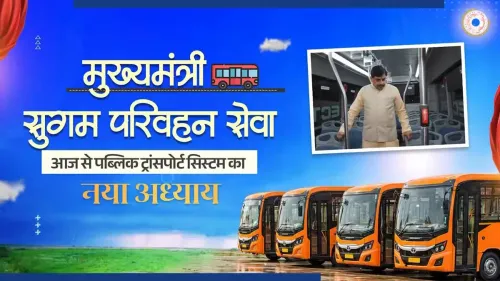
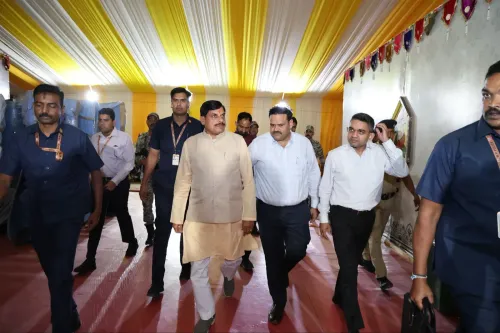
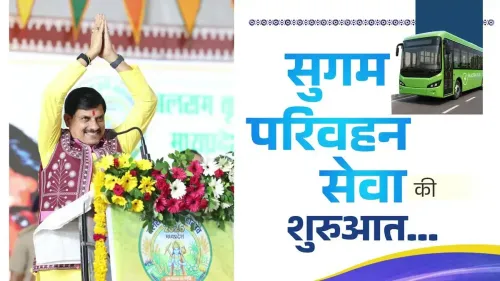
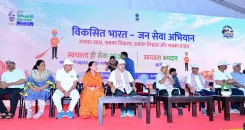
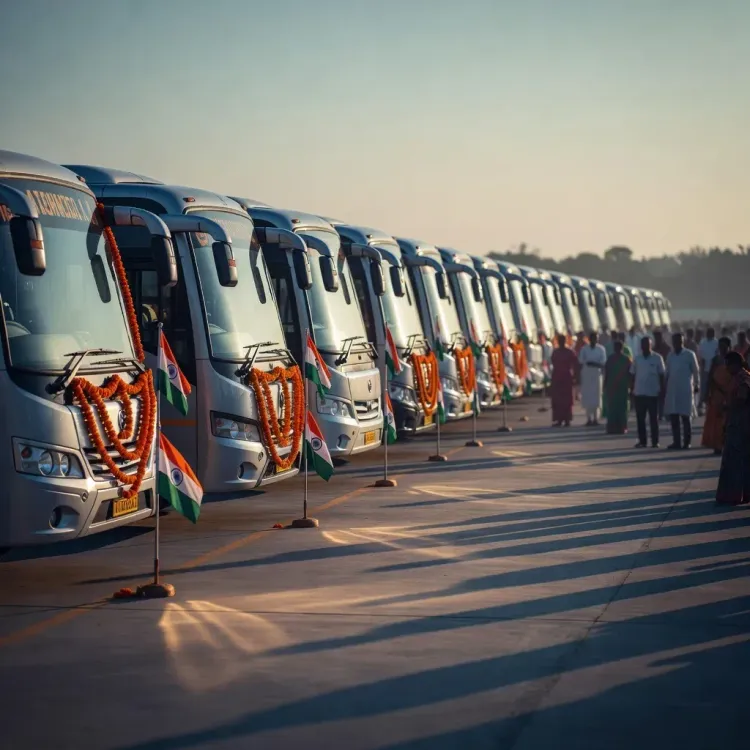
Madhya Pradesh just put 15,000 buses on the road to its future. On 25 September 2026, the Chief Minister's Office of Madhya Pradesh announced the formal launch of the Mukhyamantri Sugam Pariwahan Seva — a phased public bus expansion scheme — at the BHEL Dussehra Maidan in Bhopal, with Chief Minister Dr. Mohan Yadav and Union Road Transport and Highways Minister Nitin Gadkari jointly flagging off the service.
What the Sugam Pariwahan Seva actually promises
The scheme's headline pledge is ambitious: a phased induction of 15,000 buses over the next five years, with an explicit focus on reaching small towns and rural areas that have historically been underserved by formal public transport. The government's framing — 'Madhya Pradesh badal raha hai' ('Madhya Pradesh is changing') — positions the launch as a visible, on-the-ground dividend of the state's broader infrastructure push. Every sarpanch, every daily-wage worker who has ever missed a connection on a potholed rural road is the intended audience.
The dual presence of Gadkari signals more than ceremonial weight. As the architect of India's national highway expansion agenda, his participation points to the scheme being calibrated within the Ministry of Road Transport and Highways' wider push for fleet modernisation and multimodal last-mile connectivity — a national framework that several Indian states have already plugged into through central-state bus-fleet partnerships.
Madhya Pradesh's connectivity gap — and why this launch matters now
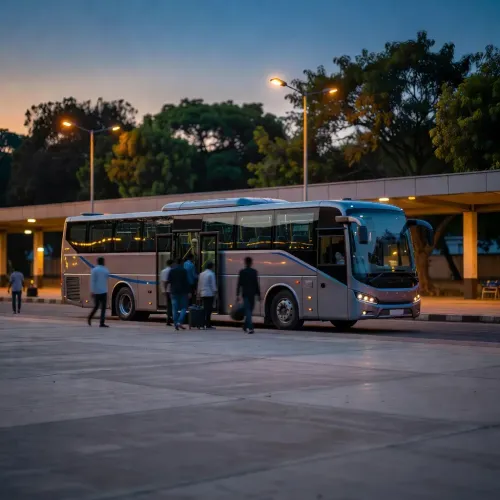
Madhya Pradesh is India's second-largest state by area, with a significant share of its population spread across districts poorly connected by regular bus routes. Rural commuters and residents of smaller towns have long depended on overcrowded private operators or informal transport, often at higher cost and lower safety. A state-run, phased fleet expansion of this scale — if executed — would represent a structural shift in how ordinary residents move across the state.
The state has previously engaged with central connectivity programmes, including approvals under the Bharatmala Pariyojana framework, which has driven road-building investment since 2015. The Sugam Pariwahan Seva builds on that road-level foundation by adding the rolling stock — the buses themselves — to actually move people on those corridors.
The five-year clock starts today
The critical variable is phased procurement. Announcing 15,000 buses is one thing; deploying them district by district, on time and in working condition, is the real test. The Madhya Pradesh Transport Department will bear primary operational responsibility, and service quality metrics — punctuality, coverage depth, condition of vehicles — will determine whether the scheme transforms daily life or becomes another line item in a government report.
For now, the launch at Bhopal's BHEL Dussehra Maidan sets the clock. Rural Madhya Pradesh will be watching the next bus arrival time very closely.
Point of View
Tangible infrastructure — buses you can board — translates electoral goodwill more durably than highway announcements alone. Gadkari's presence frames the scheme within the BJP's national transport narrative, making it a joint Centre-state win rather than a purely state-level initiative. For Mohan Yadav, it answers a persistent criticism that India's second-largest state by area remains deeply unequal in internal mobility. The five-year phased timeline is prudent but also deferring — procurement delays and quality gaps in similar state bus schemes elsewhere are the baseline risk this government must actively beat.
NationPress
25 Sept 2026
Frequently Asked Questions
What is Mukhyamantri Sugam Pariwahan Seva?
Mukhyamantri Sugam Pariwahan Seva is a Madhya Pradesh government scheme launched on 25 September 2026 to expand public bus connectivity across the state, with a target of 15,000 new buses deployed in phases over five years, prioritising rural and small-town routes.
Who launched the Mukhyamantri Sugam Pariwahan Seva?
The scheme was jointly launched by Chief Minister Dr. Mohan Yadav and Union Minister for Road Transport and Highways Nitin Gadkari at BHEL Dussehra Maidan in Bhopal.
How many buses will be added under the scheme?
The scheme plans a phased induction of 15,000 buses over the next five years across Madhya Pradesh.
Which areas will benefit from the Sugam Pariwahan Seva?
The scheme specifically targets small towns and rural areas of Madhya Pradesh that currently lack adequate public bus connectivity, aiming to make everyday commutes easier for residents in those regions.
Which department will implement the Sugam Pariwahan Seva?
The Madhya Pradesh Transport Department is the primary agency responsible for implementing and operating the scheme.