CM Mohan Yadav Hails ISRO's GSLV-F18 NVS-03 Launch
Synopsis
Madhya Pradesh CM Dr. Mohan Yadav hailed ISRO's successful launch of the NVS-03 satellite via GSLV-F18, calling it a landmark step for India's indigenous NavIC navigation system and technological self-reliance under PM Modi's leadership.
Key Takeaways
ISRO successfully launched the NVS-03 navigation satellite aboard the GSLV-F18 rocket.
The mission strengthens India's indigenous NavIC regional satellite navigation constellation.
The NavIC programme was formally approved in 2006 ; its first satellite launched in 2013 , with a seven-satellite constellation completed by 2018 .
The NVS series upgrades the original IRNSS fleet with improved signals and longer operational life.
Mohan Yadav congratulated all ISRO scientists and engineers and credited PM Narendra Modi's leadership for India's space milestones.
Further NVS launches and deeper NavIC integration into defence, transport, and telecom sectors remain the next milestones to watch.
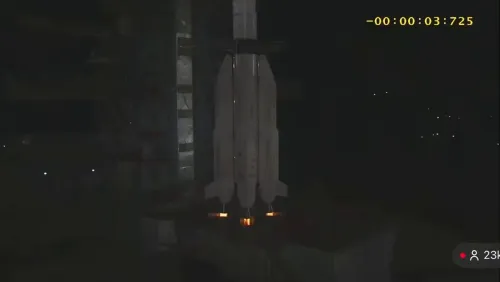
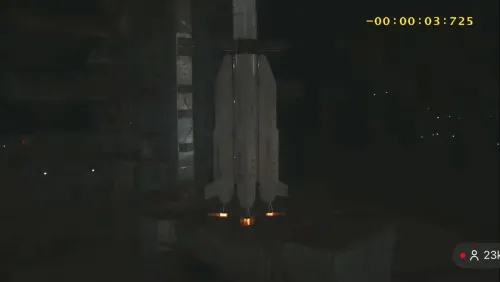
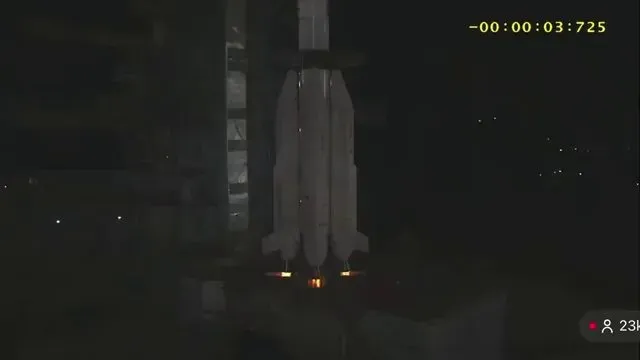
India's navigation ambitions just got a significant boost. Madhya Pradesh Chief Minister Dr. Mohan Yadav on Saturday, 31 October 2026, congratulated ISRO after the space agency successfully launched the NVS-03 satellite aboard the GSLV-F18 rocket, adding fresh muscle to India's homegrown NavIC navigation constellation.
CM Yadav's post, written in Hindi, declared: 'Antariksh mein Bharat ki nayi udaan' — 'India's new flight into space' — framing the launch as a landmark step toward technological self-reliance. He credited Prime Minister Narendra Modi's vision for steering India to successive milestones in space science and cutting-edge technology, and extended warm congratulations to every scientist, engineer, and team member at ISRO.
What NVS-03 Adds to India's Navigation Architecture
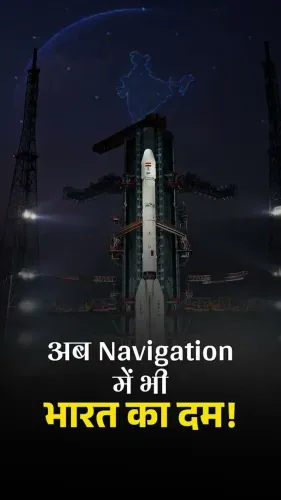
NavIC — Navigation with Indian Constellation — is India's answer to the American GPS and other global navigation systems. Formally approved in 2006 following strategic requirements for an independent positioning capability, the programme saw its first satellite, IRNSS-1A, go up in 2013. By 2018, a seven-satellite constellation had been completed, enabling operational NavIC services across the Indian subcontinent and surrounding regions.
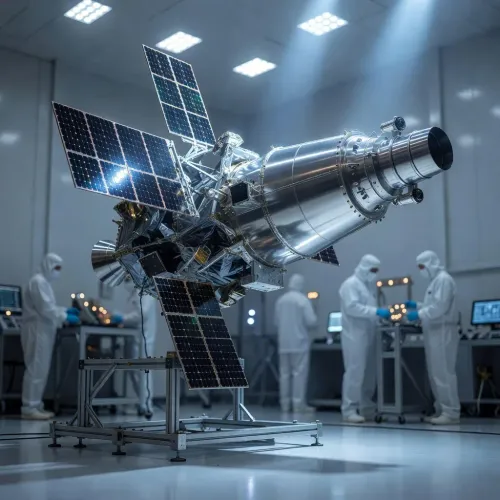
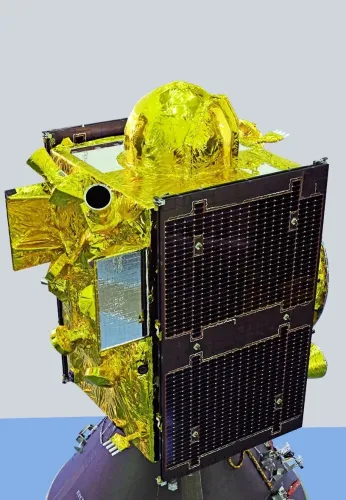
The newer NVS series — of which NVS-03 is the latest — is designed to augment that original fleet with improved signals, extended operational longevity, and enhanced accuracy. Each additional NVS satellite strengthens the redundancy and resilience of the constellation, critical for both civilian and strategic users who depend on precise, jam-resistant positioning data.
GSLV-F18 and the 'Aatmanirbhar' Space Push
The GSLV-F18 mission used ISRO's workhorse Geosynchronous Satellite Launch Vehicle to carry NVS-03 into geosynchronous transfer orbit — the standard highway for navigation and communication satellites. The GSLV family has been central to India's strategy of launching heavier payloads without purchasing slots on foreign rockets.
India's pursuit of indigenous navigation capability is rooted in a hard strategic lesson: over-reliance on foreign systems like GPS leaves critical infrastructure — defence, transport, telecom — vulnerable to denial or degradation during crises. The NavIC programme directly addresses that exposure, and each successful NVS launch tightens India's grip on its own positioning ecosystem.
What the NavIC Constellation Still Needs
Despite progress, a fully operational, next-generation NavIC constellation still requires further NVS-series launches. Analysts watching the programme closely are tracking announcements on NavIC's deeper integration into road transport, telecommunications, and defence platforms — the final frontier that converts satellite capability into everyday and strategic utility.
For India's space community, every clean GSLV lift-off is a proof-of-competence moment. For the country's broader technology ambitions, NVS-03 is one more relay in a long, deliberate race toward a future where no foreign constellation holds the keys to India's skies.
Point of View
Not just a scientific achievement. The BJP has consistently used ISRO milestones to underscore its technology-nationalism narrative ahead of electoral cycles. What will determine real impact is how quickly NavIC transitions from constellation-building to deep integration in transport, fintech, and precision-guided defence applications.
NationPress
31 Oct 2026
Frequently Asked Questions
What is the NVS-03 satellite launched by ISRO?
NVS-03 is a next-generation navigation satellite launched by ISRO to augment India's indigenous NavIC constellation with improved signals and longer operational life compared to the original IRNSS satellites.
What is NavIC and how is it different from GPS?
NavIC (Navigation with Indian Constellation) is India's own regional satellite navigation system, designed to provide accurate positioning and timing services over the Indian subcontinent and surrounding areas, reducing dependence on foreign systems like the American GPS.
What is the GSLV-F18 rocket used to launch NVS-03?
GSLV-F18 is a mission of ISRO's Geosynchronous Satellite Launch Vehicle, used to carry heavier payloads like navigation satellites into geosynchronous transfer orbit without relying on foreign launch services.
Why did MP CM Mohan Yadav comment on the ISRO launch?
Madhya Pradesh Chief Minister Dr. Mohan Yadav congratulated ISRO scientists and engineers on the successful NVS-03 launch, framing it as a milestone in India's technological self-reliance under PM Modi's leadership.
How many satellites does the NavIC constellation have?
The original IRNSS/NavIC constellation reached seven operational satellites by 2018. The newer NVS series, including NVS-03, is progressively augmenting and replacing those satellites to improve coverage and signal quality.