CM Mohan Yadav: Jhabua micro irrigation to benefit 50,000 farmers
Synopsis
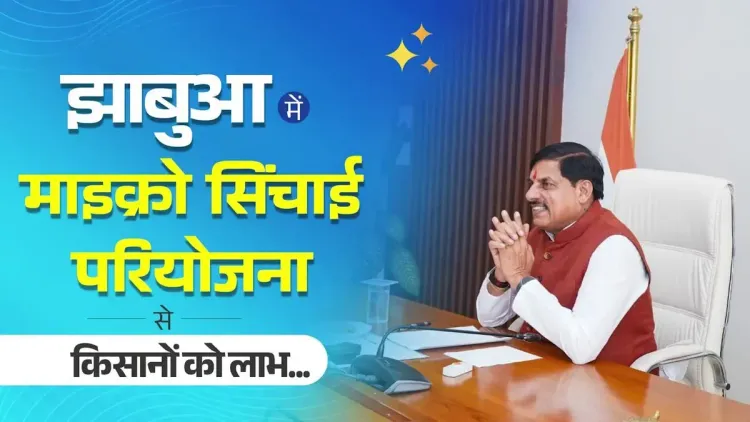
The Chief Minister's Office of Madhya Pradesh announced the Narmada-Jhabua-Petlawad-Thandla-Sardarpur Udvahan Micro Irrigation Project will irrigate around 32,000 hectares and benefit over 50,000 farmers in the historically rain-fed tribal district of Jhabua, under the state's Farmer Welfare Year 2026 initiative.
Key Takeaways
The Narmada-Jhabua-Petlawad-Thandla-Sardarpur Udvahan Micro Irrigation Project is set to irrigate approximately 32,000 hectares in Jhabua district.
More than 50,000 farmers are expected to benefit from the scheme, primarily tribal and smallholder communities.
Mohan Yadav made the announcement, shared by the official Chief Minister's Office of Madhya Pradesh on 19 July 2026 .
The project uses a lift irrigation model drawing water from the Narmada river and distributing it via micro-irrigation systems.
The announcement was made under the #कृषक_कल्याण_वर्ष_2026 (Farmer Welfare Year 2026) campaign, signalling a broader state-level agricultural push.
The scheme aligns with the central government's Pradhan Mantri Krishi Sinchayee Yojana , which supports micro-irrigation in water-scarce districts.
The Chief Minister's Office of Madhya Pradesh announced on Sunday, 19 July 2026 that the Narmada-Jhabua-Petlawad-Thandla-Sardarpur Udvahan Micro Irrigation Project will bring irrigation to approximately 32,000 hectares and benefit more than 50,000 farmers in the tribal district of Jhabua.
Context
Jhabua is a tribal-majority district in western Madhya Pradesh historically dependent on rain-fed agriculture, with some of the state's lowest irrigation coverage. Seasonal crop failures and limited water access have long driven migration among smallholder and tribal farming families in the region. The new lift-cum-micro irrigation scheme is designed to redirect Narmada river water into this water-scarce belt, offering a more reliable irrigation source across multiple talukas including Petlawad, Thandla, and Sardarpur.
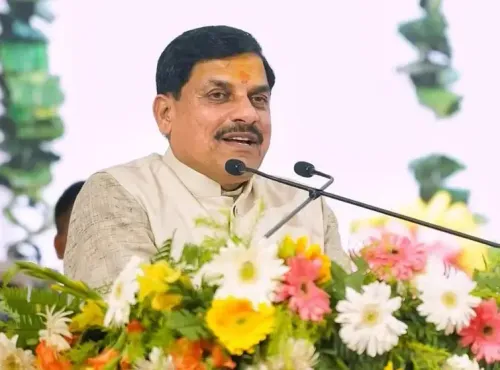
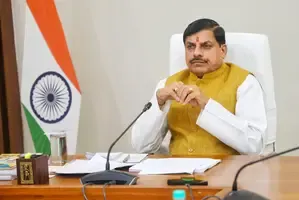
Chief Minister Dr. Mohan Yadav was cited directly in the post, which was shared under the hashtag #कृषक_कल्याण_वर्ष_2026 ('Farmer Welfare Year 2026'), signalling that the announcement is positioned as part of a broader year-long agricultural outreach by the state government. The post also tagged the state's agriculture ministry handle, indicating inter-departmental coordination on the initiative.
Policy Backdrop
The project fits within the framework of the Pradhan Mantri Krishi Sinchayee Yojana (PMKSY), the central government's flagship scheme launched in 2015 to expand irrigated area in water-scarce districts through micro-irrigation and lift systems. Madhya Pradesh has progressively extended Narmada-based lift irrigation into its western tribal belt over successive administrations, pairing physical infrastructure with micro-irrigation subsidies aimed at improving water-use efficiency at the farm level.
The 'udvahan' (lift irrigation) model involves pumping water uphill from the Narmada river to elevated command areas, a technique that has been used across the state's Malwa and Nimar plateaus. Integrating micro-irrigation — drip and sprinkler systems — at the delivery end is intended to reduce water wastage and improve per-drop productivity, which is especially relevant in districts with fragmented smallholdings.
Stakeholders and Impact
The primary beneficiaries are tribal and smallholder farmers across the five geographic clusters named in the project title. With more than 50,000 farming households in scope, the scheme, if fully implemented, would represent one of the largest single irrigation interventions in Jhabua's recent history. Reliable irrigation access is expected to enable double-cropping and reduce dependence on monsoon rainfall, which has historically been erratic in this part of western Madhya Pradesh.
Broader economic benefits could include reduced seasonal out-migration, higher agricultural incomes, and improved food security for tribal communities. State agricultural planners have consistently framed such projects as instruments for lifting agricultural GDP contribution from rain-fed tribal districts, where cropping intensity remains below the state average.
What's Next
Attention will now turn to the project's tendering process, land acquisition status, and physical implementation timeline. Observers will also watch for any formal convergence announcements linking the scheme to central micro-irrigation targets under PMKSY, as well as budget allocations in upcoming state estimates. The #कृषक_कल्याण_वर्ष_2026 framing suggests further farmer-focused announcements from the Yadav government are likely through the remainder of the year.
Point of View
The Yadav government is clearly building a programmatic narrative ahead of future electoral cycles, linking infrastructure delivery to a visible policy identity. The scheme's scale — over 50,000 beneficiaries across five talukas — gives it genuine policy weight, but the critical test will be execution speed, given that large lift irrigation projects in the region have historically faced delays in tendering and land acquisition. If timelines hold, the project could meaningfully raise cropping intensity in one of the state's most irrigation-deprived districts.
NationPress
20 Jul 2026
Frequently Asked Questions
What is the Narmada-Jhabua-Petlawad-Thandla-Sardarpur micro irrigation project?
It is a lift-cum-micro irrigation scheme in Madhya Pradesh that will pump water from the Narmada river to irrigate around 32,000 hectares across Jhabua, Petlawad, Thandla, and Sardarpur areas, benefiting over 50,000 farmers.
How many farmers will benefit from the Jhabua irrigation project?
More than 50,000 farmers, primarily tribal and smallholder communities in Jhabua district, are expected to benefit from the project.
Who announced the Jhabua micro irrigation scheme?
Chief Minister Dr. Mohan Yadav announced the scheme, with the official Chief Minister's Office of Madhya Pradesh sharing the details on 19 July 2026.
What is Farmer Welfare Year 2026 in Madhya Pradesh?
Farmer Welfare Year 2026, or Krishak Kalyan Varsh 2026, is a campaign by the Madhya Pradesh government under CM Mohan Yadav focused on agricultural welfare initiatives and infrastructure announcements throughout 2026.
How does the Jhabua project relate to PMKSY?
The project aligns with the Pradhan Mantri Krishi Sinchayee Yojana (PMKSY), the central government's 2015 scheme that funds micro-irrigation and lift irrigation projects in water-scarce districts to expand irrigated farmland.