CM Mohan Yadav joins 15th RCNCA meet on Sardar Sarovar dues
Synopsis
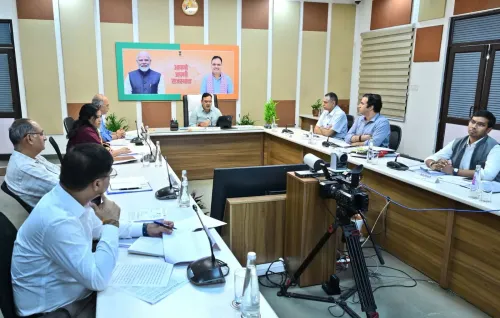
Madhya Pradesh CM Dr. Mohan Yadav joined the 15th RCNCA virtual meeting chaired by Jal Shakti Minister C. R. Patil alongside CMs of Gujarat, Rajasthan and Maharashtra to address Sardar Sarovar Project pending dues and chart a forward action plan for water, power and farmer welfare.
Key Takeaways
Madhya Pradesh CM Dr.
Mohan Yadav participated virtually in the 15th meeting of the Review Committee of the Narmada Control Authority (RCNCA) on 27 October 2026 .
The meeting was chaired by Union Jal Shakti Minister C.
Patil and attended by the chief ministers of Gujarat, Rajasthan and Maharashtra .
Agenda focused on settling long-pending dues related to the Sardar Sarovar Project and finalising a forward action plan.
The Narmada Control Authority was set up in 1980 following the 1979 Narmada Water Disputes Tribunal award to coordinate implementation among four riparian states.
Resolution of pending dues is expected to improve water and power availability for Madhya Pradesh and accelerate farmer welfare in the Narmada basin.
CM Yadav credited PM Narendra Modi's leadership for fostering inter-state trust and dialogue on decades-old river-project disputes.
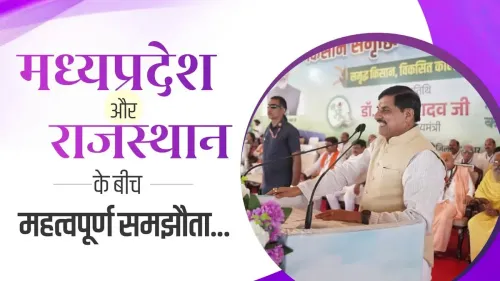
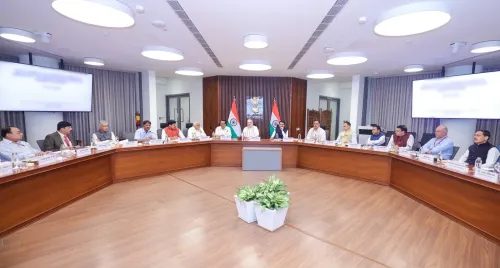
Four state chief ministers, one Union minister, and a four-decade-old water-sharing dispute walked into a virtual room — and Madhya Pradesh Chief Minister Dr. Mohan Yadav says the conversation marked a turning point. On Tuesday, 27 October 2026, Dr. Yadav participated virtually in the 15th meeting of the Review Committee of the Narmada Control Authority (RCNCA), chaired by Union Jal Shakti Minister C. R. Patil, where settlement of long-pending dues related to the Sardar Sarovar Project and the road ahead for implementation were at the centre of the table.
A 45-year-old tribunal award, still being settled
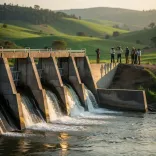
The Narmada basin's governance architecture traces back to 1979, when the Narmada Water Disputes Tribunal delivered its final award, allocating Narmada waters among Madhya Pradesh, Gujarat, Maharashtra and Rajasthan. The Narmada Control Authority (NCA) was constituted the following year, in 1980, to ensure compliance and oversee coordinated project implementation across these four riparian states. The Sardar Sarovar Project — the flagship multipurpose dam on the Narmada built primarily to serve Gujarat but benefiting all four states through irrigation, drinking water supply, and hydropower — has generated a trail of inter-state financial and operational obligations that have taken decades to untangle.
Dr. Yadav described the meeting as advancing a 'new and bright tradition' of resolving long-pending cases through 'mutual trust, dialogue and coordination among states' — crediting Prime Minister Narendra Modi's leadership as the driving force. The agenda centred on settling outstanding dues that Madhya Pradesh is owed from the Sardar Sarovar Project, as well as mapping out a forward action plan.
The four CMs at the table — and what MP stands to gain
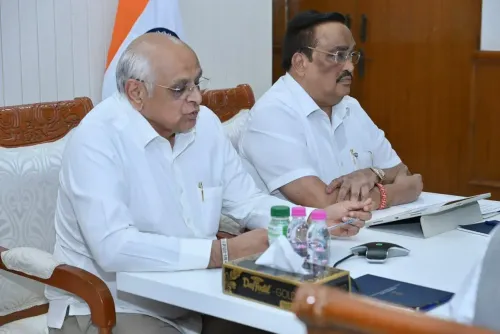
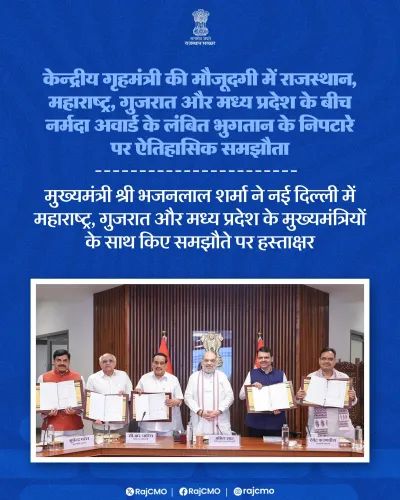
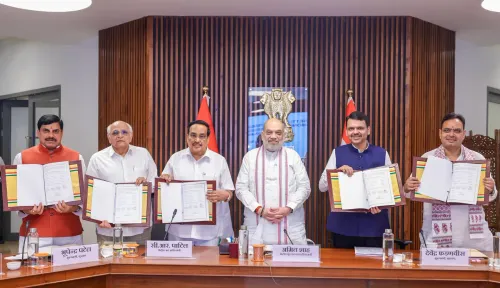
Joining Dr. Yadav in the virtual meeting were Gujarat Chief Minister Bhupendra Patel, Rajasthan Chief Minister Bhajanlal Sharma, and Maharashtra Chief Minister Devendra Fadnavis. The presence of all four riparian-state heads at a single review sitting signals the seriousness with which the Centre is treating the resolution of Sardar Sarovar's legacy obligations.
For Madhya Pradesh, the stakes are direct: the state is the largest contributor of Narmada waters upstream, and the settlement of pending dues is tied to guaranteed water allocations, power generation entitlements, and downstream benefits for farmers across the Narmada basin. Dr. Yadav stated that progress on these dues would give 'new momentum to water and power availability, farmer welfare and the development of the state.'
Central facilitation as the new normal for river-valley disputes
The RCNCA platform has functioned as the principal inter-state coordination mechanism for the Narmada since the NCA's inception. What the 15th meeting represents is the continuation — and, the CM suggests, acceleration — of a governance model that routes legacy disputes through structured dialogue rather than litigation. The emphasis on pending dues and a concrete action plan fits the established pattern of using central facilitation to close implementation gaps on large river-valley projects.
The next concrete marker to watch: any formal communiqué from the Narmada Control Authority detailing agreed timelines and amounts for the Sardar Sarovar dues settlement and subsequent project milestones.
Four states, one river, and decades of deferred arithmetic — the 15th RCNCA meeting put the ledger back on the table; how quickly it gets balanced will determine how soon Madhya Pradesh's farmers see the water flow.
Point of View
Which sits upstream and contributes the bulk of Narmada flows, resolution of Sardar Sarovar dues is not just financial housekeeping; it directly conditions the state's water security and power revenues. The simultaneous presence of all four riparian CMs under central facilitation suggests a deliberate political architecture: building consensus at the top to unblock bureaucratic logjams below. Whether this momentum converts into a formal, time-bound settlement — or joins the long list of meetings about pending meetings — will be the real test.
NationPress
27 Oct 2026
Frequently Asked Questions
What is the Narmada Control Authority (NCA) and what does it do?
The Narmada Control Authority is a statutory body set up in 1980 to implement the 1979 Narmada Water Disputes Tribunal award , which allocated Narmada river waters among Madhya Pradesh, Gujarat, Maharashtra and Rajasthan . It oversees project implementation, water sharing and inter-state coordination.
What are the Sardar Sarovar Project pending dues that were discussed?
The pending dues relate to long-standing financial and operational obligations owed to Madhya Pradesh arising from the Sardar Sarovar Project — a major multipurpose Narmada dam. Specific amounts and timelines discussed at the 15th RCNCA meeting are yet to be officially confirmed in a formal communiqué.
Who attended the 15th RCNCA meeting on 27 October 2026?
The meeting was chaired by Union Jal Shakti Minister C. R. Patil and attended virtually by MP CM Dr. Mohan Yadav , Gujarat CM Bhupendra Patel , Rajasthan CM Bhajanlal Sharma , and Maharashtra CM Devendra Fadnavis .
How will the Sardar Sarovar dues settlement benefit Madhya Pradesh farmers?
Settlement of pending dues is expected to unlock guaranteed water allocations and power generation entitlements for Madhya Pradesh , directly improving irrigation availability for farmers in the Narmada basin and accelerating broader state development.
What is the history of the Narmada Water Disputes Tribunal award?
The Narmada Water Disputes Tribunal delivered its final award in 1979 , allocating shares of Narmada river waters among Madhya Pradesh, Gujarat, Maharashtra and Rajasthan . The award led to the establishment of the Narmada Control Authority in 1980 to oversee its implementation.