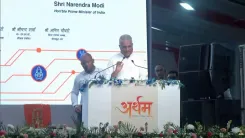
CM Mohan Yadav Launches Simhastha 2028 Training Workshop in Ujjain

Synopsis
Madhya Pradesh CM Dr. Mohan Yadav launched a Simhastha 2028 training workshop in Ujjain on 27 June 2026, unveiling plans for 22 new bridges over the Shipra River, expanded transport links, and a digital command centre to manage an expected 40 crore pilgrims at the once-in-12-years Hindu festival.
Key Takeaways
Mohan Yadav inaugurated a large-scale training workshop in Ujjain on 27 June 2026 to formally accelerate Simhastha 2028 preparations.
The state is planning 22 new bridges over the Shipra River to ensure safe pilgrim movement during the festival.
Infrastructure plans include new ghats, expanded road, rail and air connectivity, and an advanced digital command centre .
Preparations are being scaled for an expected footfall of approximately 40 crore pilgrims .
The workshop draws on lessons from Simhastha 2016 to build a structured readiness framework for 2028.
Simhastha is held every 12 years in Ujjain , home to the Mahakaleshwar Jyotirlinga , and is one of India's recognised Kumbh Mela sites.
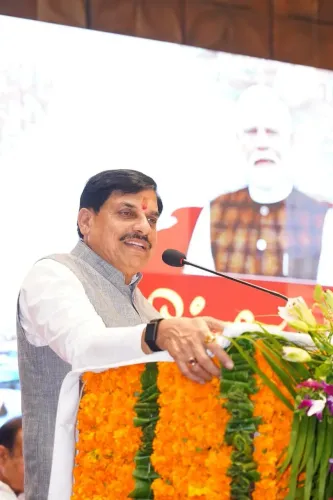
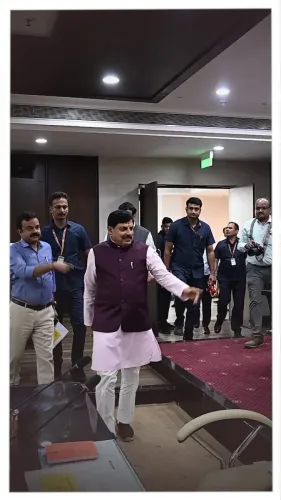
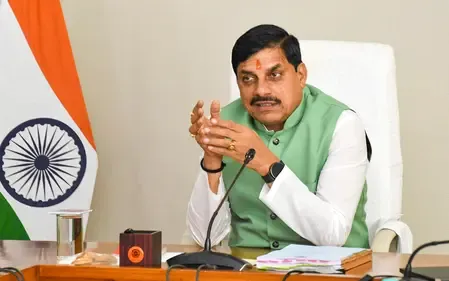
Madhya Pradesh Chief Minister Dr. Mohan Yadav on Saturday, 27 June 2026, inaugurated a large-scale training workshop in Ujjain themed 'Simhastha-2016 ke Anubhav, 2028 ka Sankalp' ('Lessons from Simhastha-2016, Resolve for 2028'), marking a formal acceleration of preparations for the Simhastha 2028 Kumbh Mela. The state government has set an ambition to make the upcoming edition the 'cleanest, safest, most organised and world-class' mass religious gathering yet.
Context
Simhastha is a major Hindu pilgrimage festival held every 12 years in the ancient city of Ujjain on the banks of the sacred Shipra River, and is recognised as one of India's Kumbh Mela sites. The previous edition, Simhastha 2016, saw the state undertake significant infrastructure upgrades and crowd-management operations. The 2028 edition is now the focus of a multi-year planning cycle, with the workshop today drawing on institutional memory from 2016 to shape the next phase of preparations.
CM Yadav, in his post, described Simhastha not merely as a religious event but as 'Bharat ki Sanatan Sanskriti, Adhyatmik Virasat aur karodon shraddhaaluon ki aastha ka Mahasangam' — a grand confluence of India's ancient culture, spiritual heritage, and the faith of crores of devotees.
Policy Backdrop
State governments across India have a well-established pattern of launching multi-year infrastructure and administrative programmes ahead of cyclical religious mass gatherings. For Simhastha 2028, Madhya Pradesh has announced several major infrastructure initiatives: construction of 22 new bridges over the Shipra River, development of new ghats, expansion of road, rail, and air connectivity, and the creation of an advanced digital command centre for real-time crowd and security management.
These measures are being planned with an expected footfall of approximately 40 crore pilgrims in view — a figure that underscores the logistical scale the state is preparing for. The training workshop is designed to translate the administrative lessons of 2016 into a structured preparedness framework for 2028.
Stakeholders and Impact
The primary beneficiaries of the infrastructure push are the millions of pilgrims expected to travel to Ujjain, home to the revered Mahakaleshwar Jyotirlinga. Improved bridges, ghats, and transport links will also benefit Ujjain's permanent residents and the wider Madhya Pradesh economy through increased tourism and connectivity. Local traders, hospitality providers, and civic bodies in the region are key stakeholders in the planning process.
The digital command centre, if realised, would represent a significant upgrade in technology-enabled event management, with implications for public safety and emergency response during the festival period.
What's Next
The immediate focus will be on translating workshop outcomes into project timelines, particularly for the 22 new bridges over the Shipra River and ghat redevelopment works. Central-state coordination on rail capacity and airport infrastructure at Ujjain is expected to intensify as the 2028 date approaches. Progress on the proposed digital command centre will also be closely watched as a marker of the state's technological preparedness. With roughly two years remaining, the pace of ground-level execution will determine whether Madhya Pradesh can deliver on CM Yadav's stated resolve to set a new benchmark for Simhastha.
Point of View
CM Yadav is signalling that the BJP-led state government intends to treat the festival as a flagship governance deliverable — much as the Prayagraj Kumbh became a benchmark for Uttar Pradesh. The emphasis on a digital command centre and world-class infrastructure reflects a broader trend of state governments using cyclical religious gatherings to demonstrate administrative capacity and attract central investment. With the 2028 date still two years away, the early mobilisation also creates political capital, framing the government as proactive stewards of India's cultural heritage. The scale of the stated ambition — 40 crore pilgrims and 22 new bridges — will, however, invite scrutiny of execution as project deadlines approach.
NationPress
27 Jun 2026
Frequently Asked Questions
When is Simhastha 2028 and where will it be held?
Simhastha 2028 will be held in Ujjain , Madhya Pradesh, on the banks of the Shipra River . The exact dates in 2028 are determined by the Hindu calendar, but state preparations are already under way as of mid-2026.
How many pilgrims are expected at Simhastha 2028?
The Madhya Pradesh government is planning for an expected footfall of approximately 40 crore pilgrims at Simhastha 2028, according to CM Dr. Mohan Yadav's announcement on 27 June 2026.
What infrastructure is being built for Simhastha 2028 in Ujjain?
Plans include 22 new bridges over the Shipra River , new ghats, expanded road, rail and air connectivity, and an advanced digital command centre for crowd and security management.
What is Simhastha and how is it different from Kumbh Mela?
Simhastha is the name used for the Kumbh Mela held in Ujjain every 12 years. It is one of four recognised Kumbh Mela sites in India and is associated with the sacred Shipra River and the Mahakaleshwar Jyotirlinga .
What happened at Simhastha 2016 in Ujjain?
Simhastha 2016 was the previous edition of the festival in Ujjain , during which the Madhya Pradesh government undertook large-scale infrastructure upgrades and crowd-management operations. The 2028 preparations are explicitly drawing on lessons from that edition.