CM Mohan Yadav Urges Blood Donation on World Blood Donor Day
Synopsis
On World Blood Donor Day, 14 June 2026, Madhya Pradesh Chief Minister Dr. Mohan Yadav saluted voluntary donors, calling blood donation a virtuous act and urging citizens to pledge their commitment to saving lives through donation.
Key Takeaways
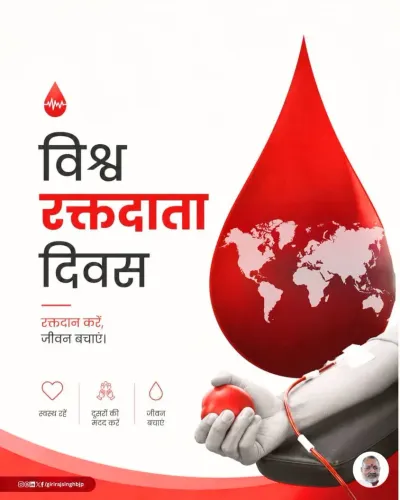
World Blood Donor Day is observed on 14 June every year, established by the WHO in 2004 to promote voluntary, non-remunerated blood donation.
Madhya Pradesh Chief Minister Dr.
Mohan Yadav called blood donors 'true protectors of humanity and representatives of God' in his 14 June 2026 message.
India's National Blood Policy (2002) prioritises voluntary donation and established state-level blood transfusion councils.
The e-RaktKosh portal, launched in 2016 , connects voluntary donors with blood banks across Madhya Pradesh and other states.
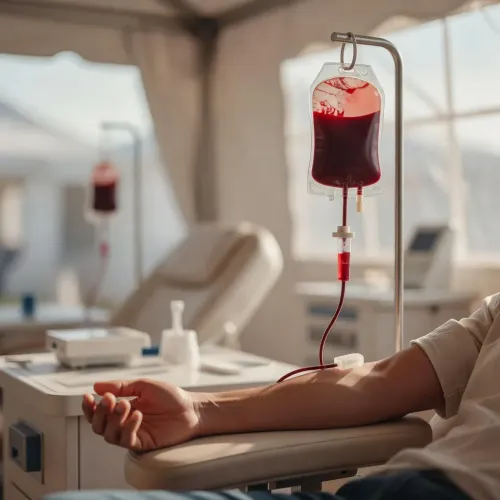
A single unit of donated blood can benefit up to three patients , making voluntary donation a high-impact public health act.
Monsoon season typically sees a dip in blood bank stocks, making pre-monsoon donation drives especially critical.
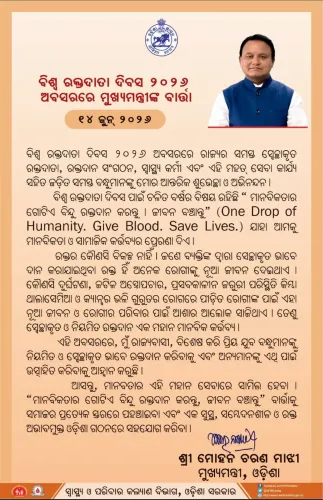
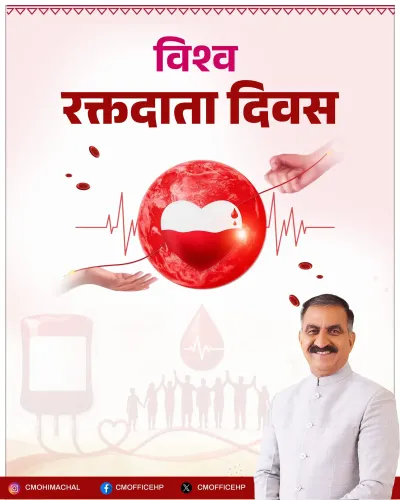
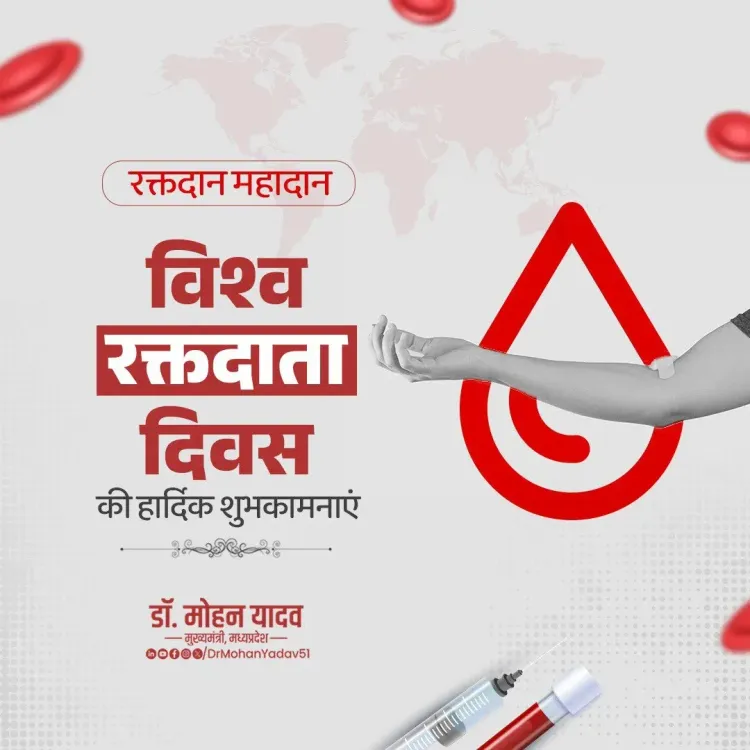
Madhya Pradesh Chief Minister Dr. Mohan Yadav on Sunday, 14 June 2026, paid tribute to voluntary blood donors on World Blood Donor Day, calling them 'true protectors of humanity and representatives of God,' and urged citizens across the state to pledge themselves to the cause of blood donation.
Posting on X in Hindi, the Chief Minister wrote: 'विश्व रक्तदाता दिवस पर सभी रक्तदाताओं को बारंबार नमन' ('Repeated salutations to all blood donors on World Blood Donor Day'). He added that 'blood donation should be done by everyone,' emphasising that a single act of donation can give someone the 'gift of life' — 'जीवनदान'.
Context
World Blood Donor Day is observed every year on 14 June under the coordination of the World Health Organization (WHO), a tradition established in 2004 to honour voluntary, non-remunerated donors and to highlight the critical need for safe blood supplies. The date marks the birth anniversary of Karl Landsteiner, the scientist who discovered the ABO blood group system. Indian leaders at both state and central levels routinely use the occasion to amplify civic participation in donation drives.
Policy Backdrop
India's National Blood Policy, adopted in 2002, made voluntary donation the cornerstone of the country's blood safety framework and mandated state-level blood transfusion councils to oversee collection and distribution. The Government of India further strengthened this ecosystem in 2016 with the launch of e-RaktKosh, a national web portal that links voluntary donors with blood banks across states, including Madhya Pradesh. The National AIDS Control Organisation has also run nationwide voluntary donation campaigns since the mid-1990s as part of broader blood safety protocols.
These policy pillars together aim to eliminate dependence on replacement or paid donors — a goal the WHO has repeatedly flagged as essential to reducing transfusion-transmitted infections. Madhya Pradesh integrates such public appeals with ongoing National Health Mission activities and periodic blood donation camp schedules organised at the district level.
Stakeholders and Impact
Voluntary blood donors, patients requiring transfusions — including those undergoing surgery, cancer treatment, or managing conditions such as thalassaemia and sickle-cell anaemia — and state health departments are the primary stakeholders in this ecosystem. A single unit of donated blood can benefit up to three patients, making donor recruitment drives a high-impact public health intervention. Appeals from senior political figures such as the Chief Minister carry significant reach, particularly in semi-urban and rural constituencies where awareness of formal donation channels can be limited.
Dr. Yadav's message, framed in the language of civic and spiritual duty — describing donation as a 'punyakarm' (virtuous act) — reflects a broader communication strategy that blends public health messaging with cultural resonance to motivate first-time donors.
What's Next
The Madhya Pradesh government is expected to follow up such social media appeals with district-level blood donation camps ahead of the monsoon season, a period when blood bank stocks typically dip due to lower footfall at collection centres. Observers will watch for any state announcements on new blood-bank infrastructure or updated district-level donation targets in the coming weeks, particularly ahead of the next legislative assembly session.
Point of View
Voluntary blood donation. By framing the act in spiritual terms as a punyakarm, the Chief Minister bridges public health communication with cultural motivation, a strategy that tends to resonate more effectively in rural Madhya Pradesh than clinical appeals alone. The message also implicitly supports the Centre's push to make India fully self-sufficient in voluntary blood collection, a target that remains work-in-progress in several states. Whether the social media appeal translates into measurable camp activity and donor registration will be the real test of its impact.
NationPress
14 Sept 2026
Frequently Asked Questions
When is World Blood Donor Day celebrated?
World Blood Donor Day is celebrated every year on 14 June . The date was established by the World Health Organization in 2004 and marks the birth anniversary of Karl Landsteiner, who discovered the ABO blood group system.
What did Madhya Pradesh CM Mohan Yadav say on World Blood Donor Day 2026?
Chief Minister Dr. Mohan Yadav paid tribute to all voluntary blood donors, calling them 'true protectors of humanity and representatives of God,' and urged citizens to pledge themselves to blood donation, describing it as a virtuous act that can give someone the gift of life.
What is the e-RaktKosh portal?
e-RaktKosh is a Government of India web portal launched in 2016 that connects voluntary blood donors with blood banks across states, including Madhya Pradesh , making it easier for donors to locate and contact nearby collection centres.
Why is voluntary blood donation important in India?
India's National Blood Policy (2002) prioritises voluntary, non-remunerated donation to reduce dependence on replacement or paid donors, which carry higher risks of transfusion-transmitted infections. The WHO also recommends voluntary donation as the safest source of blood supply.
How does one blood donation help patients?
A single unit of donated blood can be separated into components — red cells, platelets, and plasma — potentially benefiting up to three different patients , including those undergoing surgery, cancer treatment, or managing chronic blood disorders such as thalassaemia.