CM Mohan Yadav: MP Free from Naxalism
Synopsis
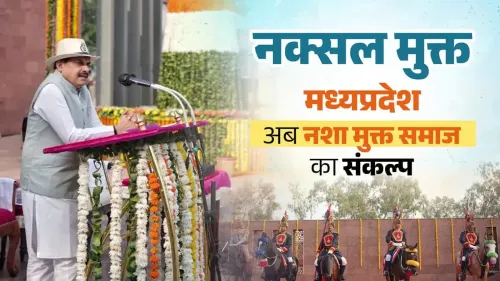
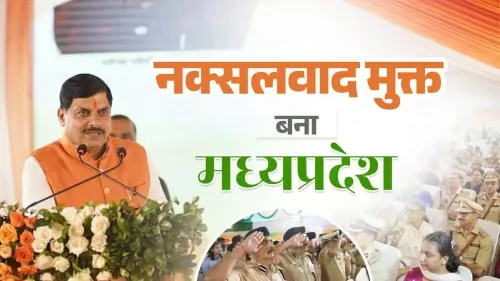
Chief Minister Mohan Yadav declared Madhya Pradesh free from Naxalism on Diwali 2026, singling out Dindori, Mandla and Balaghat as districts now on a development path under the central government's counter-Left Wing Extremism framework led by PM Modi and Home Minister Amit Shah.
Key Takeaways
Mohan Yadav declared Madhya Pradesh free from Naxalism on November 8, 2026 in a Diwali message.
Districts specifically named as turning a corner: Dindori, Mandla, and Balaghat — all in eastern Madhya Pradesh bordering Chhattisgarh.
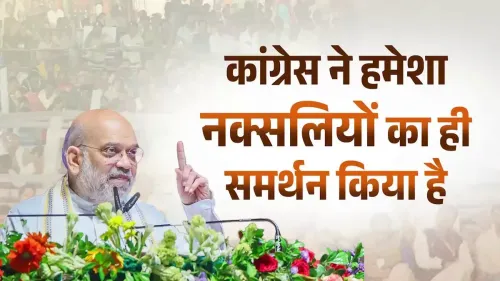
The announcement credits PM Narendra Modi and Union Home Minister Amit Shah 's national counter-Naxal strategy.
The Ministry of Home Affairs has tracked a fall in Naxal-affected districts nationally — from over 100 to fewer than 40 by the early 2020s.
Development rollout in the three named districts — roads, connectivity, welfare delivery — will be the tangible test of the declaration.
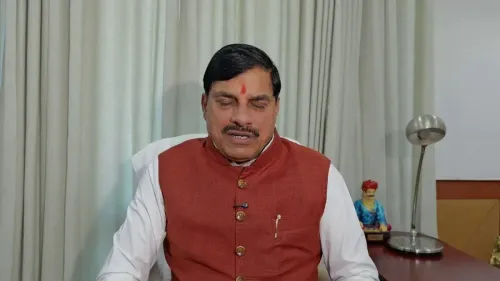
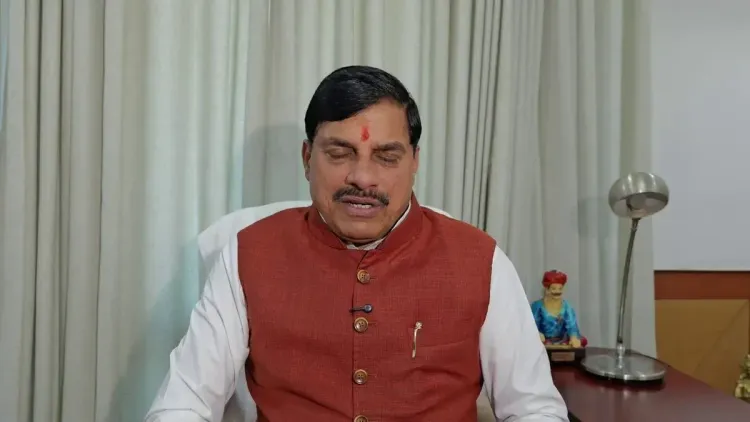
Decades after tribal districts in eastern Madhya Pradesh became bywords for Left Wing Extremism, Chief Minister Dr. Mohan Yadav declared on Sunday, November 8, 2026 that the state has broken free from the grip of Naxalism — crediting the leadership of Prime Minister Narendra Modi and Union Home Minister Amit Shah for the transformation.
Posting on the occasion of Diwali 2026, the Chief Minister's Office of Madhya Pradesh quoted CM Yadav: 'Madhya Pradesh naksalvad ke dansh se mukt hua hai' — 'Madhya Pradesh has been freed from the sting of Naxalism.' He singled out three districts by name — Dindori, Mandla, and Balaghat — as areas now 'moving forward on the path of development.'
Dindori, Mandla, Balaghat: From Red Corridor to recovery road
These three districts in eastern Madhya Pradesh share geography, tribal demography, and history. Nestled along the state's border with Chhattisgarh — long the heartland of the Maoist insurgency — they were for years listed among India's Left Wing Extremism-affected areas. Balaghat in particular sits at the junction where Madhya Pradesh, Chhattisgarh, and Maharashtra meet, making it a traditional corridor for armed groups moving between states.
The claim of their emergence is not purely symbolic. The Ministry of Home Affairs has tracked a sharp decline in Naxal-affected districts nationally — from over 100 in the early years of the previous decade to fewer than 40 by the early 2020s. Madhya Pradesh's removal from that list, the state government argues, is both a security achievement and a governance dividend for communities long starved of basic infrastructure.
The central government's counter-Naxal framework
The strategy behind this shift has combined police operations with welfare delivery. The Modi government, with Amit Shah steering internal security from North Block, pursued a dual-track approach across Red Corridor states: coordinated security deployments alongside roads, schools, mobile connectivity, and direct-benefit transfers into areas once inaccessible to government machinery.
CM Yadav, who took office in December 2023, has aligned Madhya Pradesh's state-level messaging closely with this central framework. His Diwali post is consistent with a pattern seen across BJP-governed states bordering the Red Corridor — framing declining Naxal incidents as a joint victory of central policy and state implementation.
What freedom from Naxalism means for tribal residents
The real measure will be on the ground in Dindori, Mandla, and Balaghat. These are predominantly tribal districts — home to Gond and Baiga communities — where development indicators have historically lagged behind state averages. Security stabilisation, if it holds, opens the door for infrastructure investment, forest-rights implementation, and livelihood programmes that were difficult to execute under the shadow of violence.
The timing — a Diwali announcement — carries deliberate resonance. Diwali 2026 is being framed by the state as not just a festival of lights, but a moment of genuine illumination for communities that lived under the long shadow of armed conflict.
The next test is whether new development projects in these three districts follow the declaration — and whether MHA updates formally reflect Madhya Pradesh's clean status as Naxal pressure shifts deeper into Chhattisgarh and its borders.
Point of View
Amplifying both reach and emotional resonance. The underlying policy arc — Amit Shah's consolidation of LWE operations and the MHA's shrinking list of affected districts — gives the announcement a credible factual foundation, even if the precise 2026 numbers await official verification. The real political pressure now shifts to delivery: tribal communities in Dindori, Mandla and Balaghat will judge 'freedom from Naxalism' not by the press release, but by roads built, rights granted, and livelihoods created.
NationPress
8 Nov 2026
Frequently Asked Questions
Is Madhya Pradesh completely free from Naxalism in 2026?
Chief Minister Mohan Yadav declared on November 8, 2026 that Madhya Pradesh has been freed from Naxalism, specifically citing districts like Dindori, Mandla and Balaghat as moving toward development. The official MHA classification for 2026 has not been independently confirmed.
Which districts in Madhya Pradesh were Naxal-affected?
Dindori, Mandla and Balaghat in eastern Madhya Pradesh were historically among the Left Wing Extremism-affected districts, given their proximity to the Chhattisgarh border and the Red Corridor.
What is India's strategy to reduce Naxalism?
The central government under PM Narendra Modi and Home Minister Amit Shah has combined coordinated security operations with infrastructure, welfare, and connectivity programmes in Red Corridor states, reducing affected districts from over 100 to fewer than 40 nationally since the mid-2010s.
Who is the Chief Minister of Madhya Pradesh in 2026?
Dr. Mohan Yadav has been the Chief Minister of Madhya Pradesh since December 2023.
Why is Balaghat significant in the context of Naxalism?
Balaghat is a border district where Madhya Pradesh, Chhattisgarh and Maharashtra meet, making it a historically important corridor for Naxal movement between states and a strategic focal point for counter-insurgency efforts.