CM Mohan Yadav: MP to pass UCC in monsoon session

Synopsis
Madhya Pradesh Chief Minister Dr. Mohan Yadav announced on 18 July 2026 that the state will move to pass a Uniform Civil Code during the assembly's monsoon session, acting on an expert committee's report — marking a major step in BJP's long-standing legislative agenda on personal law reform.
Key Takeaways
Madhya Pradesh is preparing to table a Uniform Civil Code bill in the upcoming monsoon session of the state assembly.
Mohan Yadav confirmed the move will be based on the recommendations of an expert committee.
The UCC is rooted in Article 44 of the Indian Constitution, which directs the State to work toward a common civil code for all citizens.
Uttarakhand was the first state to initiate a formal UCC drafting process in 2022 , and Madhya Pradesh is following a similar legislative pathway.
The BJP has carried the UCC as a national manifesto commitment since 2014 , and BJP-governed states are increasingly moving from policy intent to active legislation.
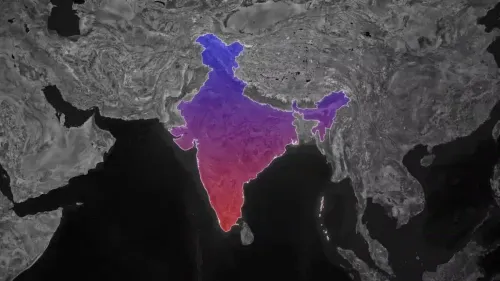
If passed, the law would affect all residents of Madhya Pradesh — a state of over 8.5 crore people — replacing religion-specific personal laws with a uniform framework.
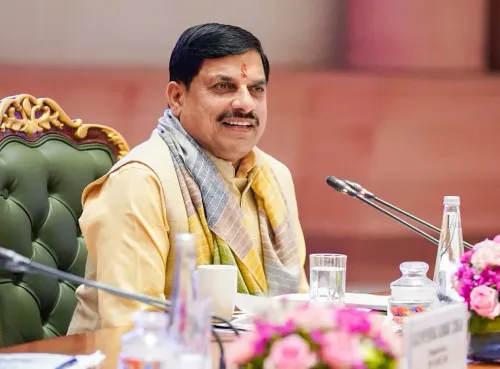
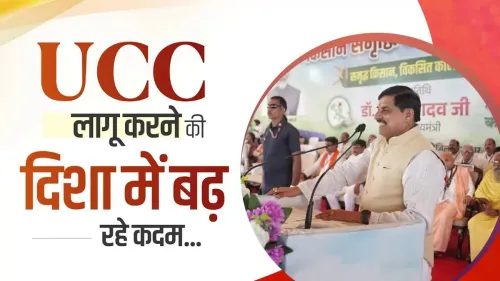
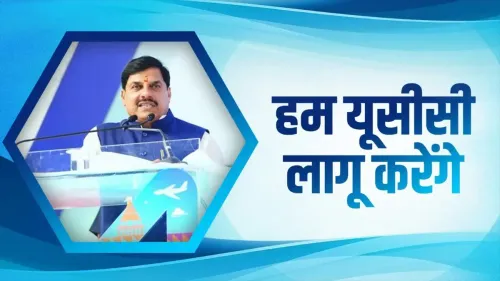
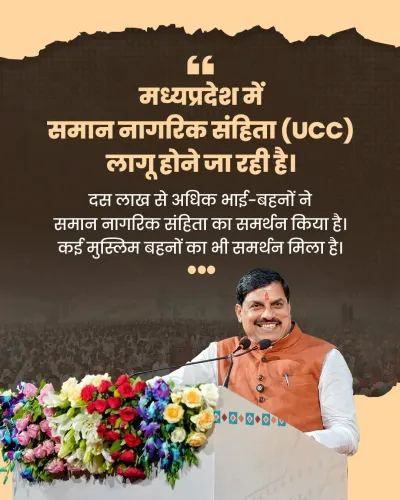
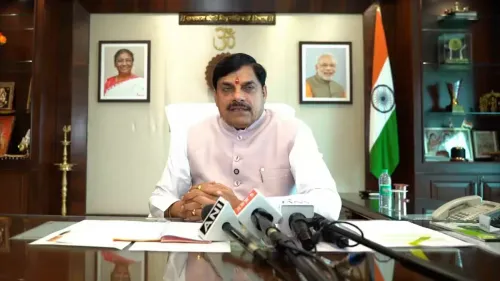
Madhya Pradesh Chief Minister Dr. Mohan Yadav announced on Saturday, 18 July 2026 that Madhya Pradesh is advancing toward enacting a Uniform Civil Code (UCC), with the government preparing to table the legislation in the upcoming monsoon session of the state assembly, based on the recommendations of an expert committee.
Context
Posting on X, Dr. Mohan Yadav stated — 'मप्र समान नागरिक संहिता लागू करने के लिए कदम बढ़ा रहा है' ('Madhya Pradesh is stepping forward to implement the Uniform Civil Code') — and confirmed that the bill would be readied for passage in the monsoon session of the Madhya Pradesh Vidhan Sabha on the basis of the committee's report. The announcement signals a shift from policy intent to active legislative preparation in one of India's largest states.
The Uniform Civil Code envisages a single set of personal laws governing marriage, divorce, inheritance, and adoption for all citizens irrespective of religion. It finds its constitutional basis in Article 44 of the Indian Constitution, which directs the State to endeavour to secure a uniform civil code for citizens across the country.
Policy Backdrop
The Bharatiya Janata Party (BJP) has carried the UCC as a core electoral commitment since its 2014 and 2019 national manifestos. At the state level, Uttarakhand became the first state in independent India to constitute an expert committee — in 2022 — to draft a state-level Uniform Civil Code, setting a legislative precedent that Madhya Pradesh now appears to be following closely.
Dr. Mohan Yadav, a senior BJP leader and Chief Minister of Madhya Pradesh, has consistently positioned legal uniformity as a governance priority. The formation of an expert committee in the state and the subsequent referral of its report to the legislature represents the structured, phased approach that BJP-led governments have adopted to translate the manifesto commitment into enforceable law.
Stakeholders and Impact
The proposed legislation would affect all residents of Madhya Pradesh — a state with a population of over 8.5 crore — by replacing religion-specific personal law codes with a common framework. Proponents argue that a UCC would advance gender equality, particularly for women from communities where personal laws limit rights in divorce and inheritance. Legal practitioners across the state are expected to play a significant role in interpreting and applying the new code once enacted.
Religious minority communities have historically expressed reservations about the UCC, viewing it as an encroachment on constitutionally protected religious practices. Civil society groups and opposition parties are likely to scrutinise the committee's report closely once it is made public, and debate in the assembly monsoon session is expected to be substantive.
What's Next
The immediate milestone is the formal tabling of the expert committee's report before the Madhya Pradesh Vidhan Sabha during the monsoon session. If the bill is passed, Madhya Pradesh would become one of the first major states in India to have a fully enacted Uniform Civil Code, potentially accelerating similar legislative moves in other BJP-governed states. The development will be closely watched as a test of both legislative consensus-building and the broader national trajectory of personal law reform.
Point of View
A step no large Indian state has yet completed. By anchoring the bill to a committee report, the government is signalling procedural legitimacy to counter anticipated legal and political challenges. Madhya Pradesh's progress will function as a template and a pressure point for other BJP-governed states, potentially reshaping the national conversation on personal law reform ahead of future electoral cycles. The monsoon session vote, if it proceeds, will be one of the most consequential state legislative moments on civil law since the passage of the Hindu Code Bills in the 1950s.
NationPress
19 Jul 2026
Frequently Asked Questions
What is the Uniform Civil Code and why is Madhya Pradesh introducing it?
The Uniform Civil Code is a proposed common set of personal laws — covering marriage, divorce, inheritance, and adoption — applicable to all citizens regardless of religion. Madhya Pradesh, under Chief Minister Dr. Mohan Yadav, is introducing it to fulfil a long-standing BJP manifesto commitment and to promote gender equality and legal uniformity across communities.
When will Madhya Pradesh pass the UCC bill?
Chief Minister Dr. Mohan Yadav announced on 18 July 2026 that the government is preparing to pass the Uniform Civil Code during the monsoon session of the Madhya Pradesh Vidhan Sabha. The exact dates of the monsoon session have not been officially confirmed in the post.
Which Indian state first enacted a Uniform Civil Code?
Uttarakhand was the first state in independent India to formally initiate the UCC drafting process, constituting an expert committee in 2022. Madhya Pradesh is now following a similar legislative pathway and, if the bill passes, could become one of the first major states to fully enact a UCC.
What does Article 44 of the Indian Constitution say about UCC?
Article 44, which falls under the Directive Principles of State Policy, directs the State to endeavour to secure a Uniform Civil Code for all citizens throughout the territory of India. It is non-justiciable but has been cited repeatedly by courts and governments as a constitutional aspiration.
Who will be affected by Madhya Pradesh's Uniform Civil Code?
All residents of Madhya Pradesh — a state of over 8.5 crore people — would be covered by the UCC. It would replace existing religion-specific personal laws for Hindus, Muslims, Christians, and other communities on matters such as marriage, divorce, and inheritance.