CM Mohan Yadav Orders Barrier-Free Govt Buildings for Disabled
Synopsis
MP Chief Minister Dr. Mohan Yadav reviewed the Social Justice and Disability Empowerment Department on 25 June 2026, ordering barrier-free government buildings, school sensitisation on disability, private-sector skill and employment drives, and a welfare action plan for destitutes at major religious sites.
Key Takeaways
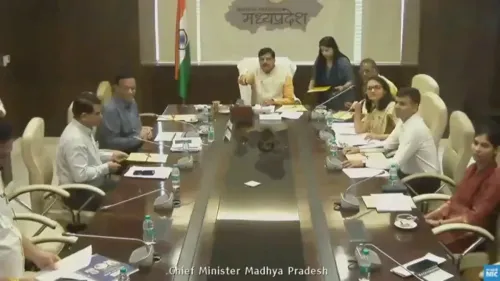
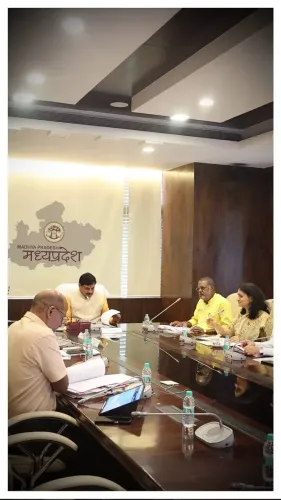
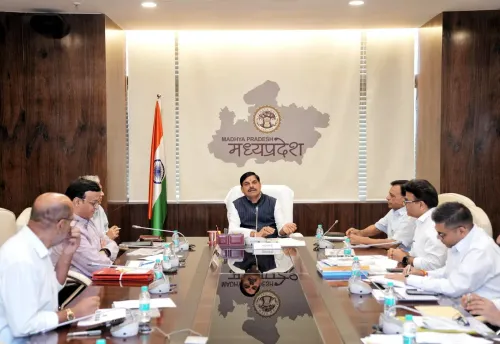
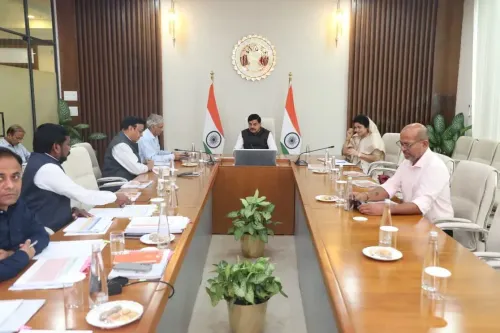
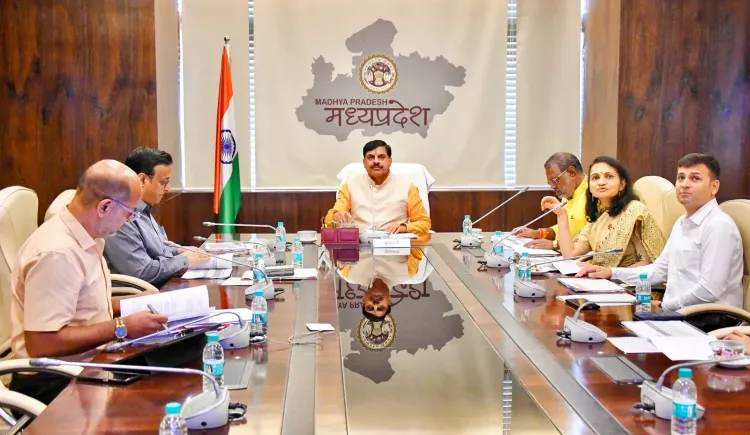
Mohan Yadav chaired a departmental review on 25 June 2026 at the Mantralaya in Bhopal .
All government buildings in Madhya Pradesh are to be made barrier-free and accessible for persons with disabilities.
Schools across the state are to develop sensitisation programmes on disability awareness.
The private sector has been directed to provide skill development and employment opportunities suited to the capacity of persons with disabilities.
An action plan for food and welfare services for destitutes and beggars at major religious sites in Madhya Pradesh is to be prepared.
The directives align with the Rights of Persons with Disabilities Act, 2016 and the central government's Sugamya Bharat Abhiyan launched in 2015 .
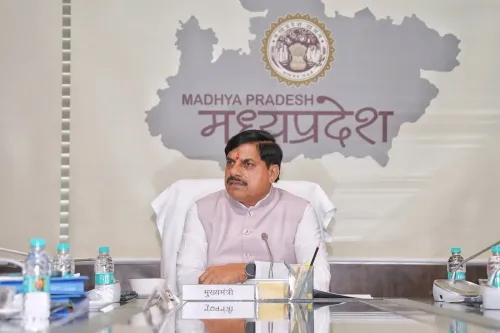
Madhya Pradesh Chief Minister Dr. Mohan Yadav on Thursday, 25 June 2026 chaired a review of the state's Social Justice and Empowerment of Persons with Disabilities Department at the Mantralaya, issuing a set of directives aimed at improving accessibility, school-level sensitisation, and private-sector employment for persons with disabilities, while also ordering a welfare action plan for destitutes and beggars at major religious sites across the state.
Context
In the review meeting, Dr. Yadav directed officials to make all government buildings barrier-free for persons with disabilities. He also called for developing sensitivity towards disability at the school level and for creating skill development and employment opportunities in the private sector commensurate with the abilities of persons with disabilities. In his own words from the post, the Chief Minister instructed that 'divyangjanon ke liye sabhi shasakiya bhavano ko badhararahit banane' (all government buildings be made barrier-free for persons with disabilities) and that the private sector be engaged to provide skill and employment opportunities suited to their capacity.
Separately, Dr. Yadav directed the department to prepare an action plan for providing food and welfare activities for destitutes, beggars, and other needy persons at major religious sites across Madhya Pradesh.
Policy Backdrop
The directives align with the Rights of Persons with Disabilities Act, 2016, which replaced the earlier 1995 legislation and expanded disability categories from 7 to 21, while mandating accessibility in public infrastructure, inclusive education, and employment quotas. States are required under the Act to audit and retrofit government buildings and public spaces to meet accessibility standards.
The Sugamya Bharat Abhiyan, launched by the central government in 2015, directed states to audit government buildings for wheelchair access, appropriate signage, and other barrier-free features. Madhya Pradesh has been progressively integrating these accessibility norms into its departmental reviews, in line with the broader BJP-governed states' pattern of aligning welfare administration with central disability-inclusion mandates.
Stakeholders and Impact
Persons with disabilities stand to benefit most directly from the barrier-free building mandate and the push for private-sector skill development and employment. School students across Madhya Pradesh are also targeted through the proposed sensitisation drive, which aims to build awareness about disability from an early age.
The welfare directive covering religious sites is significant given that major pilgrimage centres in Madhya Pradesh — including Ujjain, Omkareshwar, and others — attract large concentrations of destitute and homeless populations. An action plan for food and welfare services at these locations would address a gap that has persisted at high-footfall sites.
What's Next
The Social Justice and Empowerment of Persons with Disabilities Department is expected to submit building audit reports, school sensitisation module proposals, and private-sector skill development memoranda of understanding in subsequent quarterly reviews. The action plan for welfare activities at religious sites will also be tracked as a deliverable from this review.
The directives signal that Madhya Pradesh intends to move beyond policy compliance on paper toward measurable outcomes in accessibility and rehabilitation — with the next departmental review likely serving as the first accountability checkpoint.
Point of View
2016 at the state level — a legislative mandate that many states have been slow to translate into ground-level infrastructure changes. Bundling private-sector skill mandates with a religious-site welfare plan in a single review suggests a broader consolidation of social justice priorities under one administrative umbrella. The move fits a visible pattern among BJP-governed states of aligning departmental reviews with central welfare frameworks, using them as public accountability signals. Whether the directives result in time-bound building audits and MoUs with private employers will determine if this review becomes a policy inflection point or remains a statement of intent.
NationPress
25 Jun 2026
Frequently Asked Questions
What did MP CM Mohan Yadav announce for persons with disabilities?
CM Dr. Mohan Yadav directed that all government buildings in Madhya Pradesh be made barrier-free, that schools develop disability sensitisation programmes, and that the private sector provide skill development and employment opportunities suited to persons with disabilities.
What is the Sugamya Bharat Abhiyan?
Sugamya Bharat Abhiyan is a central government campaign launched in 2015 that directs states to audit and retrofit government buildings and public spaces for wheelchair access, appropriate signage, and other barrier-free features.
What welfare plan did CM Yadav order for religious sites in MP?
CM Yadav directed the Social Justice Department to prepare an action plan for providing food and welfare activities for destitutes, beggars, and other needy persons at major religious sites across Madhya Pradesh.
What does the Rights of Persons with Disabilities Act 2016 say about accessibility?
The Rights of Persons with Disabilities Act, 2016 expanded disability categories from 7 to 21 and mandated that states ensure accessibility in public infrastructure, inclusive education, and employment quotas for persons with disabilities.
Which department did CM Mohan Yadav review on 25 June 2026?
CM Dr. Mohan Yadav reviewed the Social Justice and Empowerment of Persons with Disabilities Department at the Mantralaya in Bhopal on 25 June 2026.