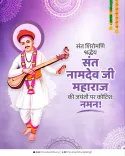
CM Mohan Yadav pays tribute to Sant Namdev on Jayanti
Synopsis
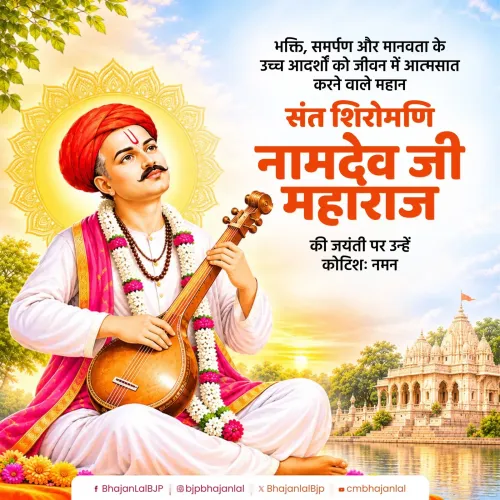
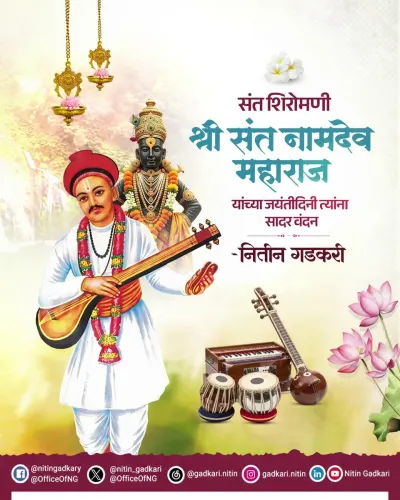
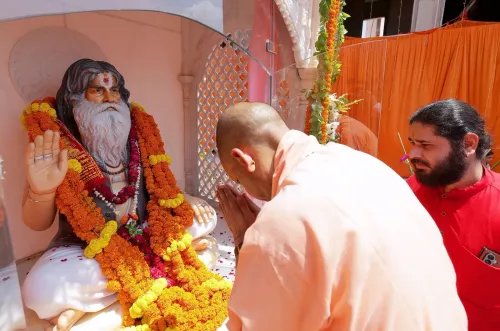
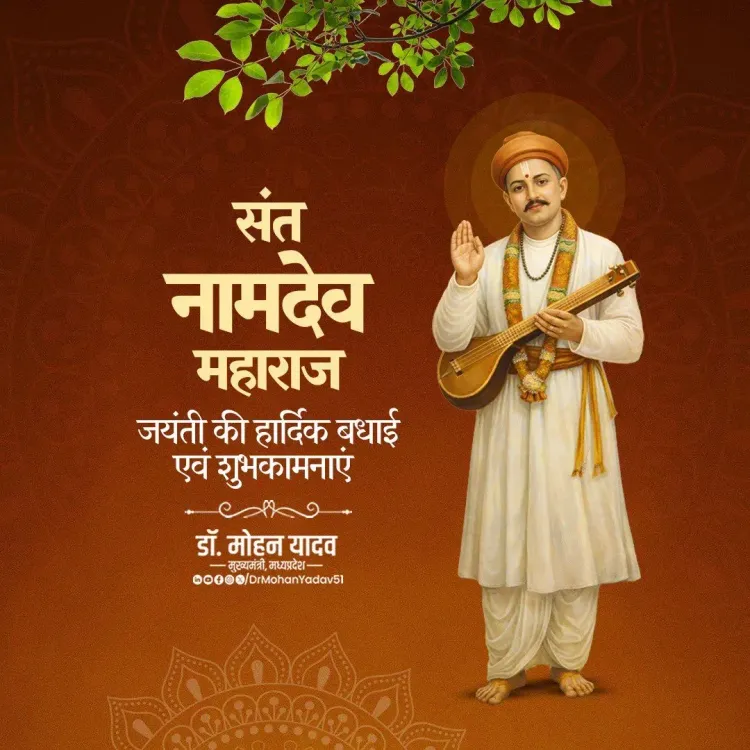
MP Chief Minister Dr. Mohan Yadav marked Sant Namdev Maharaj Jayanti on 20 November 2026, honouring the 13th-century Bhakti saint whose message of devotion, equality and service continues to resonate across faiths and communities in India.
Key Takeaways
Mohan Yadav , Chief Minister of Madhya Pradesh, posted a tribute on X on 20 November 2026 for Sant Namdev Maharaj Jayanti.
Sant Namdev Maharaj was a 13th–14th century Bhakti saint-poet from Maharashtra, known for his devotion to Vitthal and advocacy of social equality.
His devotional abhangas are part of the Warkari tradition and his verses are included in the Guru Granth Sahib , Sikhism's holy scripture.
CM Yadav praised the saint's message of 'devotion, love, and equality' and his contribution to harmony, service, and humanity.
Tributes to Bhakti saints are a recurring feature of BJP's cultural outreach in Madhya Pradesh and nationally.
A saint who sang of devotion and equality seven centuries ago still commands reverence at the highest levels of Indian public life. Madhya Pradesh Chief Minister Dr. Mohan Yadav on Friday, 20 November 2026, extended warm wishes on the occasion of Sant Namdev Maharaj Jayanti, honouring the medieval Bhakti poet whose verses transcend region, caste, and creed.
Posting on X, Dr. Yadav wrote: 'Bhakti, prem aur samanta ka sandesh dene wale mahan sant Shri Namdev Maharaj ji ki jayanti par hardik badhai evam shubhkamnayein' — 'Heartfelt congratulations and good wishes on the Jayanti of great saint Shri Namdev Maharaj, who gave the message of devotion, love and equality.' He added that the saint's spirit of devotion and public welfare had shown society the path of harmony, service, and humanity.
Who was Sant Namdev — and why he still resonates
Sant Namdev Maharaj, the 13th–14th century Bhakti saint-poet from Maharashtra, devoted his life to the worship of Vitthal and to the radical idea that the divine is accessible to all, regardless of birth or social station. His devotional compositions, known as abhangas, are among the most cherished in the Warkari tradition. What makes his legacy singular across faiths is the fact that his verses were included in the Guru Granth Sahib, the sacred scripture of Sikhism — a rare and powerful testament to the universality of his message.
Bhakti saints and political remembrance in India
Indian political leaders across the spectrum regularly mark the jayantis of medieval Bhakti saints, using these occasions to invoke themes of social harmony, equality, and service. For the BJP in particular, such tributes form part of a broader cultural outreach that connects contemporary governance with India's spiritual heritage. In Madhya Pradesh, Chief Minister Dr. Yadav has periodically acknowledged saints from both the Bhakti and Warkari traditions since assuming office in December 2023.
Sant Namdev's message — that devotion, not lineage, defines a person's worth — carries an enduring charge in a country where questions of social equality remain alive and contested. That a sitting Chief Minister pauses to invoke it is as much a cultural signal as a ceremonial one.
Point of View
CM Yadav is engaging in a well-established BJP tradition of connecting governance with India's Bhakti heritage — projecting the party as a custodian of inclusive spiritual culture rather than narrow majoritarianism. Sant Namdev's unique position in both the Hindu Warkari and Sikh traditions gives such tributes a cross-community resonance that is politically useful without being overtly electoral. In Madhya Pradesh, where Yadav has sought to deepen cultural and religious programming since taking office in December 2023, these observances form a consistent pattern of soft-power statecraft. The choice of a saint whose verses appear in the Guru Granth Sahib is a subtle signal of pluralist intent.
NationPress
20 Nov 2026
Frequently Asked Questions
Who was Sant Namdev Maharaj?
Sant Namdev Maharaj was a 13th–14th century Bhakti saint-poet from Maharashtra, celebrated for his devotional compositions called abhangas, his worship of Vitthal, and his message of social equality. His verses were incorporated into the Guru Granth Sahib, the sacred scripture of Sikhism.
Why is Sant Namdev Jayanti celebrated?
Sant Namdev Jayanti marks the birth anniversary of the saint and is observed by devotees of the Warkari tradition and Bhakti movement across Maharashtra and other states. It is an occasion to reflect on his teachings of devotion, love, and equality.
What did CM Mohan Yadav say on Sant Namdev Jayanti 2026?
CM Dr. Mohan Yadav extended heartfelt congratulations on Sant Namdev Jayanti, stating that the saint's spirit of devotion and public welfare had shown society the path of harmony, service, and humanity.
What is the significance of Sant Namdev's verses in the Guru Granth Sahib?
The inclusion of Sant Namdev's compositions in the Guru Granth Sahib is a rare honour that underscores the universality of his message, bridging the Hindu Warkari tradition and Sikhism and making him a revered figure across communities.
Who is Dr. Mohan Yadav?
Dr. Mohan Yadav is the Chief Minister of Madhya Pradesh and a BJP leader who assumed office in December 2023. He is known for regular public acknowledgement of India's spiritual and cultural heritage.