CM Mohan Yadav Rallies Barwani Village for Drug-Free MP by 2029
Synopsis
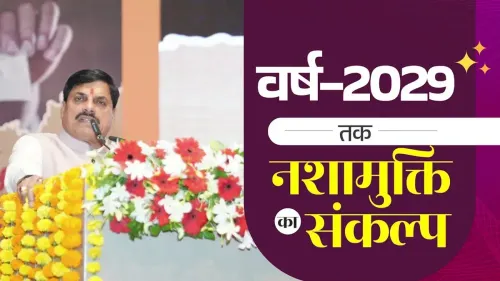
Madhya Pradesh CM Dr. Mohan Yadav joined a Shiv Panth samuday anti-narcotics rally in Barwani's Ajgaria village on Sharad Purnima, reaffirming the state's commitment to becoming fully drug-free by 2029 in alignment with PM Modi and Home Minister Amit Shah's national directives.
Key Takeaways
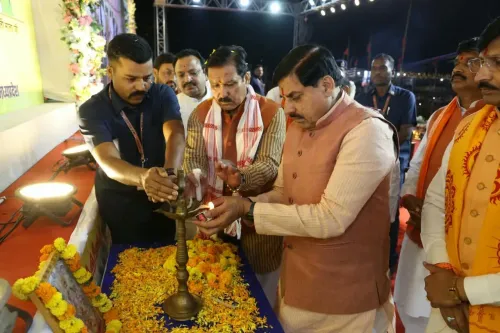
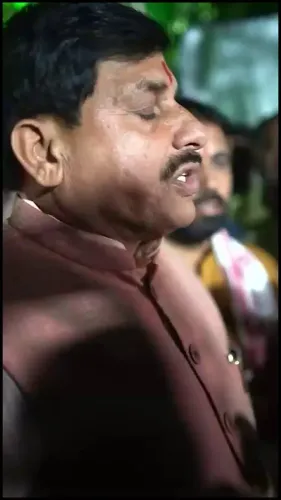
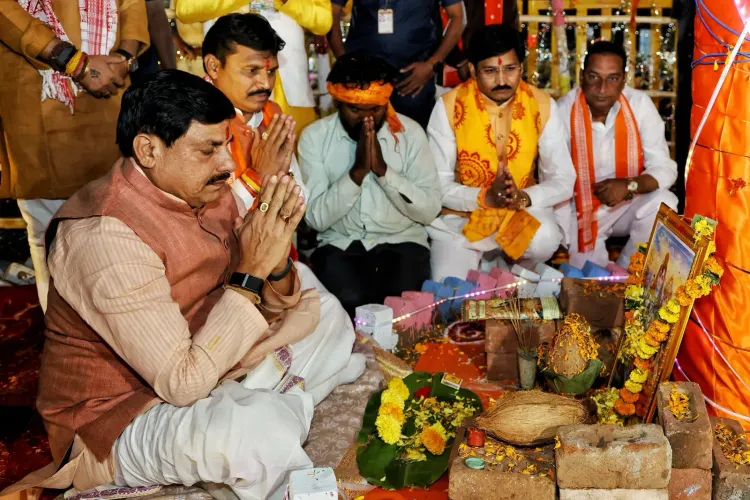
Mohan Yadav attended an anti-narcotics programme in gram Ajgaria, Barwani district on the night of Sharad Purnima .
The event was organised by the Shiv Panth samuday , a local community organisation, reflecting a community-partnership model.
Yadav called on citizens to take a mass-awareness pledge ( janjaagaran ka sankalp ) against substance abuse.
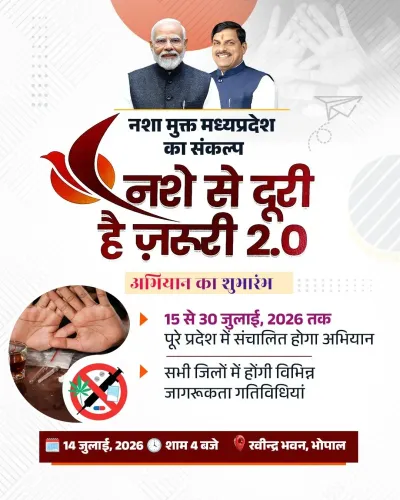
Madhya Pradesh has set a 2029 deadline to become fully drug-free, aligned with directives from PM Narendra Modi and Union Minister Amit Shah .
The drive draws on the national Nasha Mukt Bharat Abhiyan launched in 2020 , combining community awareness with NDPS Act enforcement.
Barwani , a tribal district in western Madhya Pradesh, was chosen as the venue, signalling a focus on ground-level outreach in vulnerable communities.
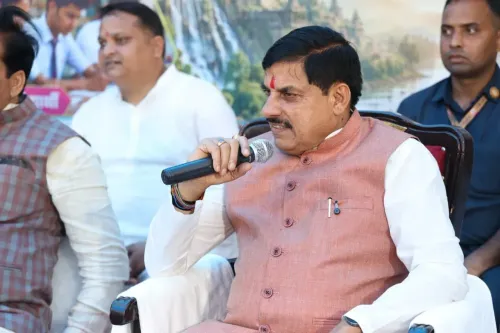
On the auspicious night of Sharad Purnima, a tribal village in western Madhya Pradesh became the stage for a blunt public pledge: addiction destroys lives, and the state intends to eliminate it. Madhya Pradesh Chief Minister Dr. Mohan Yadav attended an anti-narcotics awareness programme organised by the Shiv Panth samuday in gram Ajgaria, Barwani district, calling on every resident to take a personal vow against substance abuse and actively participate in building a drug-free state.
Sharing the message on 26 October 2026, Dr. Yadav framed the cause in unambiguous terms: 'Nasha naash ki jaad hai' — 'addiction is the root of ruin' — and declared that staying away from it is the only foundation of a happy and meaningful life. The choice of Sharad Purnima, a full-moon night carrying deep cultural resonance, gave the community gathering an atmosphere that went well beyond a routine government event.
Barwani's Tribal Belt at the Centre of the Drive
Barwani, a predominantly tribal district in western Madhya Pradesh, sits in a region where substance abuse among youth has been an acknowledged social challenge. By placing this rally in a village rather than an auditorium, the CM's office signalled an intent to take the campaign to the ground level — beyond district headquarters and into the communities most affected. The Shiv Panth samuday's role as organiser underlines the state's strategy of partnering with local faith-based and community organisations rather than relying solely on government machinery.
The 2029 Drug-Free Target and Its National Alignment
Dr. Yadav explicitly anchored Madhya Pradesh's goal within a national framework, invoking the commitment of Prime Minister Narendra Modi and Union Home and Cooperation Minister Amit Shah. The state has set 2029 as its deadline to become fully free of narcotic substances — a time-bound target that mirrors similar declarations by other BJP-governed states. Nationally, the Nasha Mukt Bharat Abhiyan, launched in 2020 by the Ministry of Social Justice and Empowerment, provided the original blueprint: reduce drug demand through community awareness, combine it with enforcement under the NDPS Act, and measure progress district by district.
Madhya Pradesh's version of that template is now entering a more visible phase, with the Chief Minister personally appearing at village-level events to drive what his office describes as a 'janjaagaran ka sankalp' — a mass-awareness resolve. The ground-up approach matters: policy announcements rarely move the needle in rural India until they arrive in person, in the local language, on a night the community already considers sacred.
What the 2029 Deadline Actually Demands
Declaring a state 'drug-free' by a fixed year is an ambitious benchmark. Genuine progress will require sustained coordination between district administrations, law enforcement, health departments, and community organisations like the Shiv Panth samuday — not just awareness rallies. The events of Barwani's Ajgaria village are one data point in a campaign that must replicate itself across hundreds of districts and thousands of villages before 2029. Progress reports and district-level reviews will be the real test of whether the pledge made under Sharad Purnima's full moon translates into measurable change.
A politician who shows up at a village rally on a festival night is making a bet — that visibility builds accountability. The next question is whether Madhya Pradesh's institutions can sustain the follow-through.
Point of View
Reinforcing vertical loyalty within the party's governance structure. Time-bound 'drug-free' targets have become a recurring feature of BJP state governments, but credibility depends entirely on the institutional follow-through that rarely makes headlines. Barwani's tribal geography also suggests an awareness that substance abuse in marginalised communities is both a welfare issue and a political vulnerability the party needs to address ahead of future electoral cycles.
NationPress
26 Oct 2026
Frequently Asked Questions
What is Madhya Pradesh's 2029 drug-free target?
Madhya Pradesh has committed to becoming fully free of narcotic substances by 2029 , a goal reaffirmed by CM Dr. Mohan Yadav and framed as aligned with directives from PM Narendra Modi and Union Home Minister Amit Shah.
What is the Nasha Mukt Bharat Abhiyan?
The Nasha Mukt Bharat Abhiyan is a national anti-drug campaign launched in 2020 by India's Ministry of Social Justice and Empowerment, aiming to reduce drug demand through community awareness and enforcement under the NDPS Act.
Where is Barwani district and why was it chosen for the rally?
Barwani is a predominantly tribal district in western Madhya Pradesh. Its selection signals the government's focus on taking anti-narcotics outreach to rural and tribal communities most affected by substance abuse.
Who is the Shiv Panth samuday?
The Shiv Panth samuday is a community organisation based in Ajgaria village, Barwani, that organised the Sharad Purnima anti-narcotics awareness programme attended by CM Dr. Mohan Yadav.
What did CM Mohan Yadav say at the Barwani anti-drug event?
CM Dr. Yadav declared that 'nasha naash ki jaad hai' — addiction is the root of ruin — and called on citizens to take a personal pledge for mass awareness against drugs and to actively contribute to building a drug-free Madhya Pradesh.