CM Mohan Yadav Secures Rs 300 Cr Coca-Cola Investment for MP
Synopsis
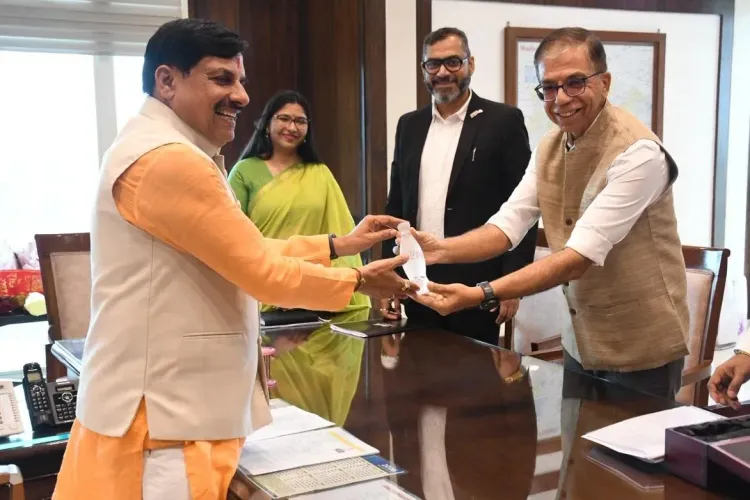
Chief Minister Dr. Mohan Yadav met Hindustan Coca-Cola Beverages CEO Hemant Rupani at the Madhya Pradesh secretariat on 23 June 2026. HCCB announced an investment of approximately Rs 300 crore in the state, as the CM briefed the company on food processing incentive schemes.
Key Takeaways
Mohan Yadav held a courtesy meeting with HCCB CEO Hemant Rupani at the Mantralaya in Bhopal on 23 June 2026 .
Hindustan Coca-Cola Beverages has committed to invest approximately ₹300 crore in Madhya Pradesh .
The CM briefed the CEO on state-run schemes to promote food processing in the state.
Madhya Pradesh has been offering food processing incentives under successive industrial policies since 2014 .
The investment is expected to benefit farmers , local food processing units, and the state workforce through supply-chain linkages.
Project execution milestones, land allocation, and employment figures will be key indicators to track going forward.
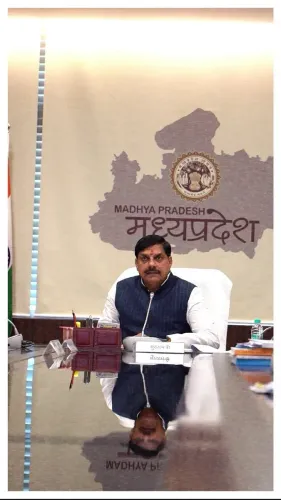
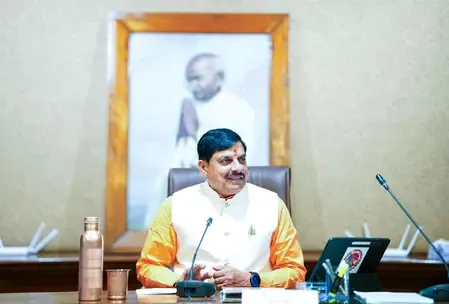
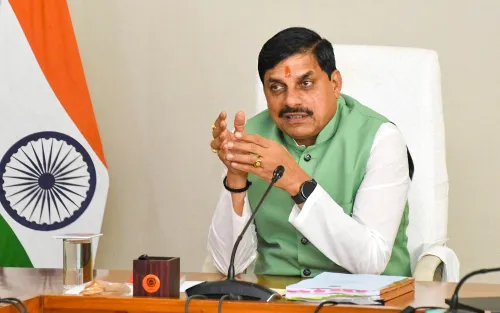
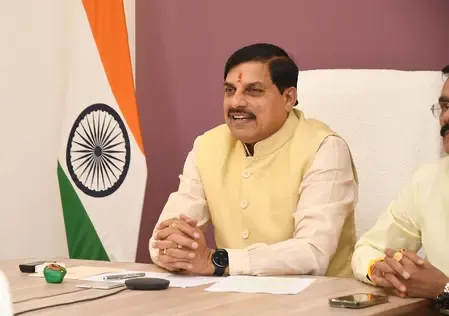
The Chief Minister's Office of Madhya Pradesh announced on Tuesday, 23 June 2026, that Chief Minister Dr. Mohan Yadav met Hemant Rupani, Chief Executive Officer of Hindustan Coca-Cola Beverages (HCCB), at the state secretariat in Bhopal. During the courtesy call, HCCB committed to invest approximately ₹300 crore in Madhya Pradesh.
Context
The meeting, held at the Mantralaya, saw Dr. Mohan Yadav brief the HCCB chief on schemes the state government is running to promote food processing. The Chief Minister's Office stated that 'मुख्यमंत्री डॉ. यादव ने प्रदेश में खाद्य प्रसंस्करण को प्रोत्साहित करने के लिए संचालित योजनाओं की जानकारी दी' — meaning the Chief Minister apprised the CEO of ongoing programmes to encourage food processing in the state. Rupani's visit signals the conglomerate's intent to deepen its footprint in one of India's largest agricultural states.
Policy Backdrop
Madhya Pradesh has maintained a consistent push to attract agro-processing capital under successive industrial policies since 2014, targeting post-harvest value addition and reduction of crop wastage. At the national level, the Production Linked Incentive (PLI) Scheme for Food Processing Industries, launched in 2021, has provided additional tailwinds by incentivising private investment across the supply chain. Dr. Yadav, who took office in December 2023, has made industrial outreach and agricultural value addition central planks of his administration's economic agenda.
Hindustan Coca-Cola Beverages is the primary bottling and distribution partner of the Coca-Cola Company in India, operating multiple manufacturing plants and an extensive supply chain across the country. An investment of ₹300 crore in Madhya Pradesh would represent a significant expansion of that footprint in the central Indian region.
Stakeholders and Impact
The investment is expected to benefit farmers, food processing units, and the local workforce in Madhya Pradesh. Beverage manufacturing operations typically source raw materials such as sugar, fruit pulp, and water locally, creating backward linkages with the agricultural community. If executed at the announced scale, the project could generate direct and indirect employment across the state's agro-processing corridor.
States across India are competing aggressively to attract private capital into agro-processing as the country seeks to raise the share of processed foods in agricultural GDP. Madhya Pradesh's outreach to a multinational beverage group mirrors similar efforts by other agrarian states to lock in plant expansions and supply-chain partnerships.
What's Next
The investment commitment will now move toward formal agreements, land allocation, and regulatory clearances under the state's industrial policy framework. Observers will watch for project milestones, specific plant locations, and employment targets in forthcoming state budget documents or industrial policy updates. The pace of execution will be a key indicator of Madhya Pradesh's ability to convert high-level corporate engagements into on-ground manufacturing activity.
Point of View
Signalling that Madhya Pradesh's agro-industrial pitch is resonating with large private players. The meeting also underscores how India's PLI framework for food processing has created a policy environment that states can leverage in corporate negotiations. Whether the commitment translates into executed capacity and rural jobs will ultimately define its political and economic legacy for the Yadav administration.
NationPress
23 Jun 2026
Frequently Asked Questions
How much is Hindustan Coca-Cola Beverages investing in Madhya Pradesh?
Hindustan Coca-Cola Beverages has announced an investment of approximately ₹300 crore in Madhya Pradesh, as disclosed during a meeting between HCCB CEO Hemant Rupani and Chief Minister Dr. Mohan Yadav on 23 June 2026.
Who is Hemant Rupani and why did he meet CM Mohan Yadav?
Hemant Rupani is the Chief Executive Officer of Hindustan Coca-Cola Beverages. He called on Chief Minister Dr. Mohan Yadav at the Madhya Pradesh secretariat in Bhopal for a courtesy meeting during which the state's food processing investment plans were discussed.
What food processing schemes does Madhya Pradesh offer to investors?
Madhya Pradesh has run a range of food processing incentive schemes under successive industrial policies since 2014, aimed at reducing post-harvest losses and encouraging value addition in agriculture. The CM briefed HCCB's CEO on these programmes during the June 2026 meeting.
What is the PLI scheme for food processing in India?
The Production Linked Incentive (PLI) Scheme for Food Processing Industries was launched by the Government of India in 2021 to attract private capital into the sector by offering financial incentives linked to incremental sales from processed food products.
How does the Coca-Cola investment benefit Madhya Pradesh farmers?
Beverage manufacturing typically sources raw materials such as sugar, fruit pulp, and water locally, creating backward linkages with farmers. The HCCB investment in Madhya Pradesh is expected to generate supply-chain opportunities for local agricultural producers alongside direct and indirect employment.