CM Mohan Yadav seeks Centre's support for Simhastha-2028 in Ujjain
Synopsis
MP Chief Minister Dr. Mohan Yadav has urged the Union government to support Simhastha-2028 in Ujjain, focusing on pilgrim facilities, cleanliness and water management for millions of domestic and international devotees expected at the 12-yearly Kumbh Mela.
Key Takeaways
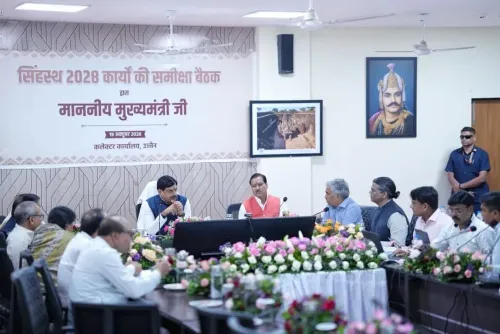
Mohan Yadav met a Union minister and formally requested central assistance for Simhastha-2028 in Ujjain .
The three specific areas of the request were pilgrim convenience, sanitation ( swachhata ), and water management ( jal prabandhan ).
Simhastha Kumbh Mela is held in Ujjain every 12 years ; the last edition was in 2016 .
Ujjain sits on the Shipra river and houses the Mahakaleshwar Jyotirlinga , drawing pilgrims from India and abroad.
State-central coordination for Kumbh Melas is an established pattern seen across Prayagraj, Haridwar and Ujjain editions.
No formal central funding commitment or joint committee has been announced yet; specifics remain to be confirmed.
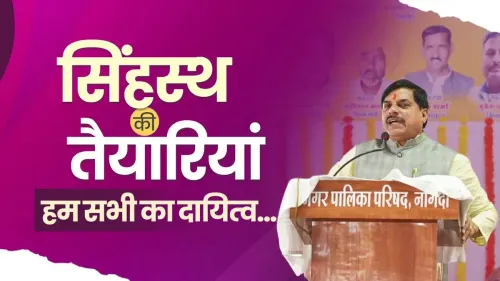
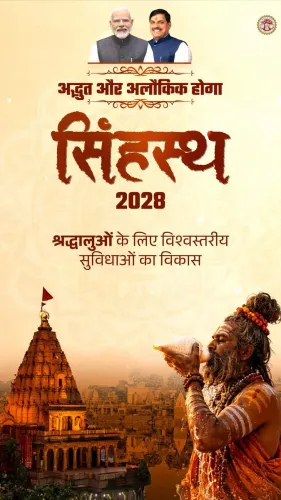
Madhya Pradesh Chief Minister Dr. Mohan Yadav has formally requested the Union government's partnership for Simhastha-2028, the once-in-twelve-years Kumbh Mela that will descend on Ujjain — asking specifically for central backing on pilgrim facilities, sanitation and water management to serve the millions expected from across India and the world.
What CM Yadav asked of the Centre
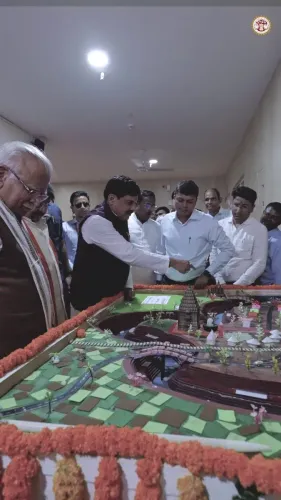
Meeting a senior Union minister, Dr. Yadav made a direct pitch: the state needs central cooperation to ensure that Simhastha-2028 is, in his words, 'successful and well-organised' (safal evam suvyavasthit). The three pillars of his ask were sharply defined — devotee convenience, cleanliness, and 'better water management' (behtar jal prabandhan). 'Providing better facilities to pilgrims coming from within the country and abroad is our priority,' the Chief Minister said.
Ujjain's 12-year cycle and the scale of what's coming
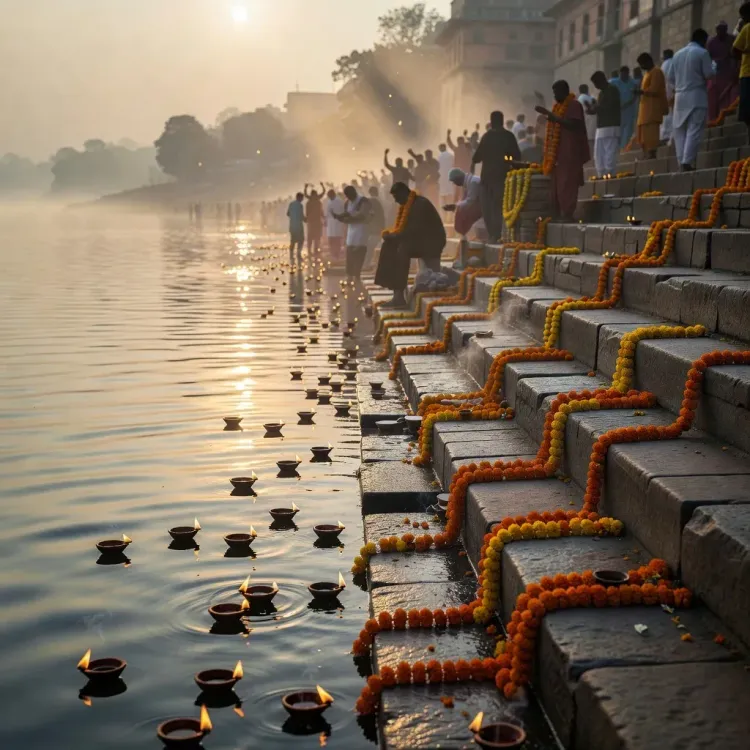
Ujjain, perched on the banks of the Shipra river in western Madhya Pradesh, hosts Simhastha Kumbh every twelve years — and the numbers are staggering. The city is home to the Mahakaleshwar Jyotirlinga, one of the twelve sacred Jyotirlingas, which already draws millions of pilgrims year-round. During Simhastha, that footfall multiplies exponentially, straining water supply, sanitation infrastructure and crowd-management systems to their absolute limits.
The last edition, held in 2016, required intensive state-central coordination on exactly the same fronts Dr. Yadav is flagging now — sanitation, water supply, and temporary infrastructure for a city that must absorb many times its normal population for weeks. That precedent makes his early outreach to the Centre a logical, well-worn playbook.
Centre-state Kumbh coordination: an established template
Across Prayagraj, Haridwar, and Ujjain, state governments have consistently sought — and received — central financial and logistical support to mount Kumbh Melas at scale. The Union government typically steps in with funding for ghats, roads, temporary pontoon bridges, sanitation blocks and drinking water pipelines that a state budget alone cannot absorb. Dr. Yadav's move, with 2028 still two years away, signals that Madhya Pradesh is moving early to lock in that partnership and avoid the last-minute scramble that has hampered past editions elsewhere.
The specific central minister involved in Thursday's meeting was not identified in the Chief Minister's post.
What to watch before the Simhastha calendar opens
The real test will come when formal announcements of central funding commitments or a joint coordination committee emerge. Early groundwork — land acquisition, Shipra river rejuvenation, and access road upgrades — typically begins years ahead of the Kumbh calendar. With Dr. Yadav now publicly flagging the Centre's role, the clock for those decisions has effectively started.
For the millions of pilgrims who will make Ujjain their destination in 2028, the quality of that coordination will determine everything from the water they drink to the roads they walk.
Point of View
Dr. Yadav is staking out a cooperative posture with the BJP-led Union government that serves both sides — Madhya Pradesh gets infrastructure funding it cannot shoulder alone, and the Centre reinforces its record of backing large-scale religious events. The early outreach is also a signal to pilgrims and the broader Hindu constituency that the state is already in planning mode, a politically visible act ahead of any election cycle. The sharp focus on water management is telling: the Shipra river's declining flow has been a recurring embarrassment at past Simhastha editions, and framing it as a central-state shared problem helps distribute accountability. Whether Delhi converts this request into concrete commitments — joint committees, dedicated funds, river rejuvenation work — will define how seriously this early diplomacy translates into on-ground results by 2028.
NationPress
29 Oct 2026
Frequently Asked Questions
What is Simhastha 2028?
Simhastha 2028 is the upcoming edition of the Kumbh Mela held every 12 years in Ujjain , Madhya Pradesh, on the banks of the Shipra river. It draws tens of millions of Hindu pilgrims from India and around the world.
Why did CM Mohan Yadav meet the Union minister?
CM Dr. Mohan Yadav requested the Union minister's support for Simhastha-2028 , specifically seeking central government assistance on pilgrim facilities, sanitation and water management for the massive religious gathering.
When was the last Simhastha Kumbh Mela in Ujjain?
The last Simhastha Kumbh Mela in Ujjain was held in 2016 , which also involved close coordination between the Madhya Pradesh state government and the central government on infrastructure and sanitation.
Why is water management a key concern for Simhastha-2028?
The Shipra river in Ujjain has faced declining water levels in recent decades, making adequate water supply a critical challenge for any Simhastha edition. Pilgrims take a holy dip in the Shipra, so water quality and availability are central to the event's success.
How does the central government typically support Kumbh Melas?
The Union government typically provides financial and logistical support for Kumbh Melas, funding temporary infrastructure such as ghats, roads, sanitation blocks and drinking water pipelines that a state budget cannot fully absorb. This pattern has been seen in Prayagraj , Haridwar and previous Ujjain editions.