CM Mohan Yadav to transfer ₹1,834 cr to 1.25 cr women on Navratri
Synopsis
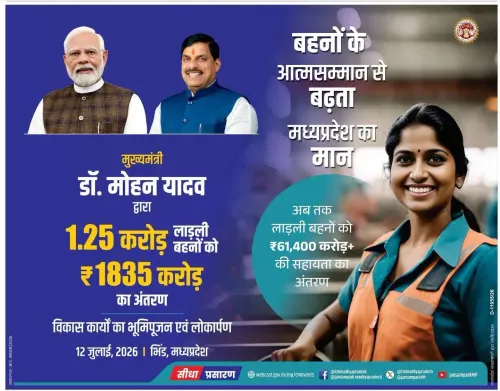
Chief Minister Dr. Mohan Yadav will disburse over ₹1,834 crore to 1.25 crore women under Ladli Behna Yojana from Umaria on Navratri, 14 October 2026, continuing Madhya Pradesh's flagship direct benefit transfer programme.
Key Takeaways
₹1,834 crore+ will be transferred in a single event on 14 October 2026 .
1.25 crore Ladli Behna Yojana beneficiaries across Madhya Pradesh will receive the funds simultaneously.
The disbursement will be presided over by Chief Minister Dr.
Mohan Yadav in Umaria , eastern Madhya Pradesh.
Ladli Behna Yojana was launched in March 2023 under then-CM Shivraj Singh Chouhan with an initial monthly payout of ₹1,000 .
Mohan Yadav has continued the scheme since taking office in December 2023 , with transfer amounts revised upward over time.
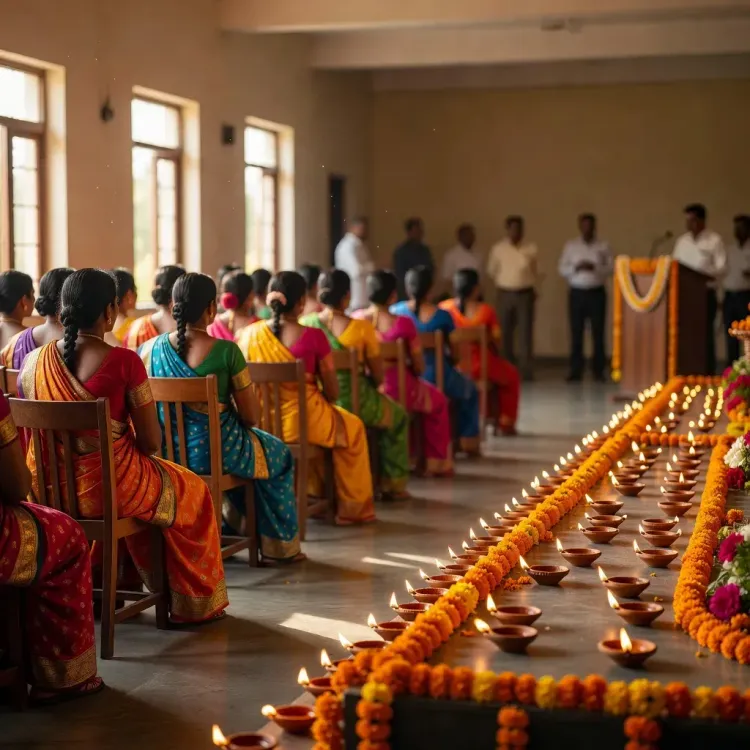
The Navratri timing is a deliberate choice, consistent with the state government's practice of anchoring major welfare payouts to culturally significant festivals.
On the auspicious opening of Navratri 2026, Madhya Pradesh Chief Minister Dr. Mohan Yadav is set to transfer more than ₹1,834 crore directly into the bank accounts of 1.25 crore beneficiaries of the Ladli Behna Yojana — in a single, sweeping disbursement from Umaria on 14 October 2026.
A Navratri gift for 1.25 crore women across MP
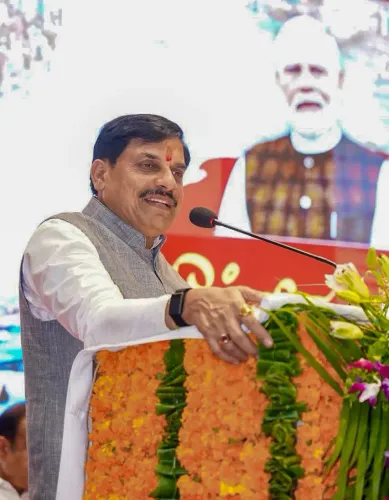
The Chief Minister's Office announced the transfer in a post on X, calling it a 'sौगात' ('gift') for the 'लाड़ली बहनें' ('beloved sisters') of the state during the festival season. The event will be held in Umaria, a district in eastern Madhya Pradesh, with Dr. Yadav personally presiding over the disbursement ceremony.
Timing a major welfare payout with Navratri is a deliberate signal — the festival carries enormous emotional and cultural weight across Madhya Pradesh, and the government has consistently used such occasions to underscore the scheme's unbroken monthly rhythm.
What Ladli Behna Yojana is and how it got here
Ladli Behna Yojana was launched in March 2023 by then-Chief Minister Shivraj Singh Chouhan, initially providing ₹1,000 per month to women from economically weaker households through direct benefit transfer. The amount was subsequently revised upward. Dr. Mohan Yadav, who succeeded Chouhan as Chief Minister in December 2023 following the BJP's state assembly election victory, has continued and expanded the scheme as a centrepiece of Madhya Pradesh's welfare architecture.
The scale of Wednesday's transfer — more than ₹1,834 crore moving to 1.25 crore accounts in a single event — illustrates just how large the programme's footprint has grown. For context, that is roughly one in every four women in Madhya Pradesh receiving a direct cash credit on the same day.
The state's bet on direct cash transfers for women
Madhya Pradesh has placed women-focused direct benefit transfers at the heart of its social policy since 2023, mirroring a broader national trend of state governments using targeted cash transfers to reach households that fall outside formal employment safety nets. Ladli Behna sits alongside similar schemes in other BJP-governed states, all of which have drawn both praise for their reach and scrutiny over long-term fiscal sustainability.
The festival-timed disbursement is also part of a communication strategy: by anchoring payouts to culturally significant dates, the government keeps the scheme visible and personally felt — not a line item in a budget document, but a credit notification arriving on a festival morning.
With monthly transfers now a fixed feature of the state's welfare calendar, the question is no longer whether the scheme will continue — it is how its eligibility criteria and payout amounts will evolve as fiscal pressures mount.
Point of View
834 crore transfer is not incidental — it reflects a maturing playbook in which Madhya Pradesh's BJP government fuses welfare delivery with cultural symbolism to keep the Ladli Behna brand emotionally resonant between election cycles. Dr. Mohan Yadav, still consolidating his identity as CM distinct from his predecessor Shivraj Singh Chouhan, benefits from presiding over a scheme that already has deep grassroots recall. The fiscal scale — over ₹1,800 crore in a single day — also signals that the state is not quietly winding down the commitment despite tighter revenue conditions. Whether the programme's per-beneficiary amounts keep pace with inflation will be the real test of its long-term political and social impact.
NationPress
14 Oct 2026
Frequently Asked Questions
What is Ladli Behna Yojana in Madhya Pradesh?
Ladli Behna Yojana is a Madhya Pradesh government scheme that provides monthly direct cash transfers to women from economically weaker households. It was launched in March 2023, initially at ₹1,000 per month, and the payout amount has been revised upward since then.
How much money is being transferred under Ladli Behna Yojana in October 2026?
Chief Minister Dr. Mohan Yadav is set to transfer more than ₹1,834 crore to 1.25 crore beneficiaries on 14 October 2026, during Navratri, from Umaria in Madhya Pradesh.
Who started Ladli Behna Yojana in Madhya Pradesh?
The scheme was launched by then-Chief Minister Shivraj Singh Chouhan in March 2023. It has been continued and expanded by his successor, Dr. Mohan Yadav, who took office in December 2023.
Where is the Ladli Behna Yojana October 2026 transfer event being held?
The transfer event is being held in Umaria, a district in eastern Madhya Pradesh, with Chief Minister Dr. Mohan Yadav personally presiding over the disbursement.
How many women benefit from Ladli Behna Yojana in Madhya Pradesh?
As per the October 2026 disbursement, 1.25 crore women across Madhya Pradesh are enrolled as beneficiaries of the Ladli Behna Yojana.