CM Mohan Yadav visits Orchha on Diwali, pledges Ram Raja Lok development
Synopsis
On Diwali 2026, Madhya Pradesh CM Dr. Mohan Yadav prayed at Orchha's Shri Ram Raja Sarkar temple and reiterated the state's pledge to develop Orchha as a premier religious and spiritual tourism destination on the lines of Ayodhya, Kashi, and Ujjain.
Key Takeaways
Mohan Yadav visited Orchha on Diwali, 7 November 2026 , to offer prayers at the Shri Ram Raja Sarkar temple .
The state government has reaffirmed its commitment to developing Shri Ram Raja Lok as a major religious and spiritual tourism hub.
Orchha is being modelled on the Ayodhya, Kashi (Varanasi), and Ujjain pilgrimage development templates.
Orchha is uniquely significant as the only site where Lord Ram is worshipped as a reigning king , within a Bundela-era palace complex.
The push aligns with a nationwide pattern of state governments upgrading Hindu pilgrimage infrastructure in partnership with PM Narendra Modi's central initiatives.
Specific funding figures and timelines for the Orchha project have not yet been officially detailed.
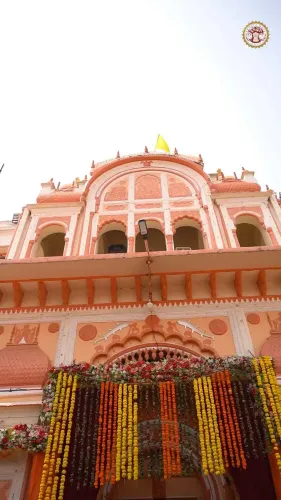
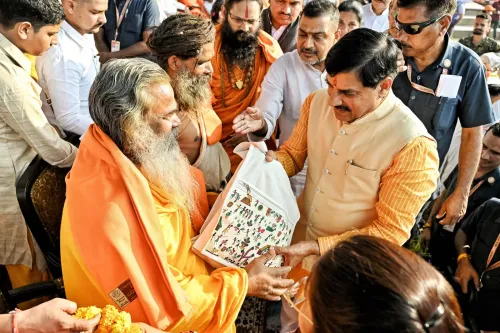
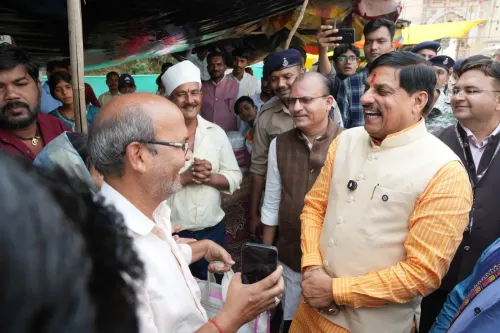
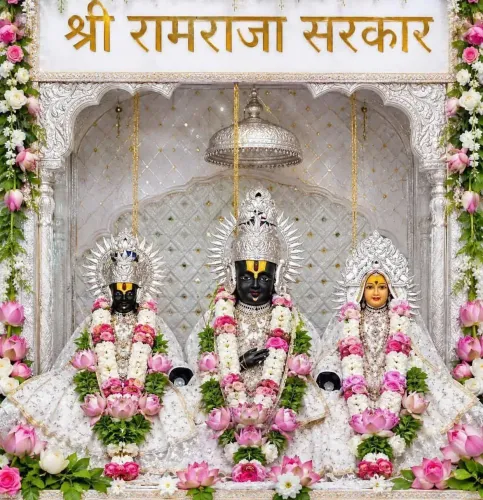
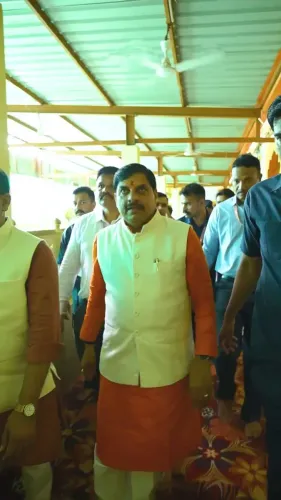
On the auspicious occasion of Diwali, Madhya Pradesh Chief Minister Dr. Mohan Yadav travelled to Orchha on Saturday, 7 November 2026, to offer prayers at the revered Shri Ram Raja Sarkar temple — and used the moment to reaffirm the state government's commitment to transforming the historic town into a world-class pilgrimage destination.
Posting on X, the Chief Minister's Office of Madhya Pradesh shared: 'Aaj Orchha sthit Bhagwan Shri Ram Raja Sarkar ke darshan-poojan kar pradesh ki sukh-samridhi aur khushhali ki kamna ki' — ('Today, after offering prayers at Lord Shri Ram Raja Sarkar in Orchha, I prayed for the happiness, prosperity, and well-being of the state'). The post extended heartfelt Diwali greetings to all residents of Madhya Pradesh and India.
Orchha's place in the Ram pilgrimage circuit
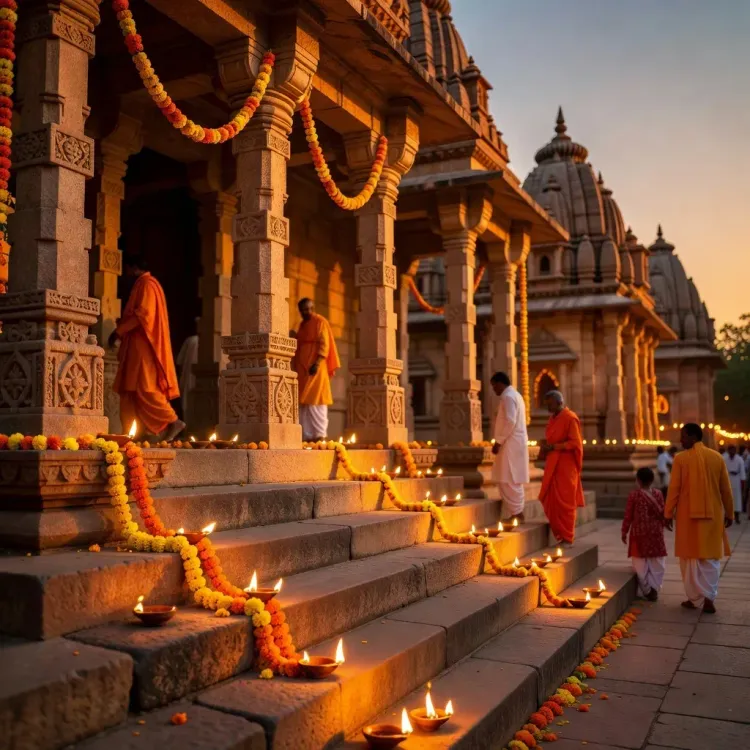
Orchha, a compact heritage town in Madhya Pradesh's Niwari district, is unique in the Hindu devotional world: it is the only place where Lord Ram is worshipped as a reigning king — 'Ram Raja Sarkar' — rather than as a deity in a conventional temple setting. The Shri Ram Raja temple, set within a palace complex built by the Bundela kings, draws devout pilgrims from across central India. That royal framing makes it a natural anchor for the kind of experiential, heritage-rich spiritual tourism the state has been chasing.
CM Yadav invoked the template explicitly: the state, he said, is committed to developing Orchha on the lines of Ayodhya, Kashi, and Ujjain — the three cities that have seen the most dramatic pilgrimage-infrastructure upgrades under Prime Minister Narendra Modi's government. The Kashi Vishwanath Corridor, inaugurated in 2021, redrew Varanasi's temple precinct. The Ram Mandir in Ayodhya, consecrated in January 2024, supercharged pilgrimage footfall across the entire Ram-circuit. And the Shri Mahakaleshwar Corridor in Ujjain — Madhya Pradesh's own flagship project — set a new standard for modernising a living temple complex. Orchha is now being positioned as the next name on that list.
What 'Shri Ram Raja Lok' means for Orchha
The post referenced ongoing work on Shri Ram Raja Lok, the branded development zone around the temple. The broader pattern here is deliberate: state governments across India have been aligning local heritage assets with centrally driven religious tourism circuits, combining conservation with new visitor infrastructure — ghats, promenades, lighting, access roads — to convert footfall into local economic activity. For Orchha's economy, which leans heavily on domestic tourists visiting its cluster of Bundela-era palaces, cenotaphs, and temples, an upgraded Ram Raja Lok could mean significantly higher dwell time and spending per visitor.
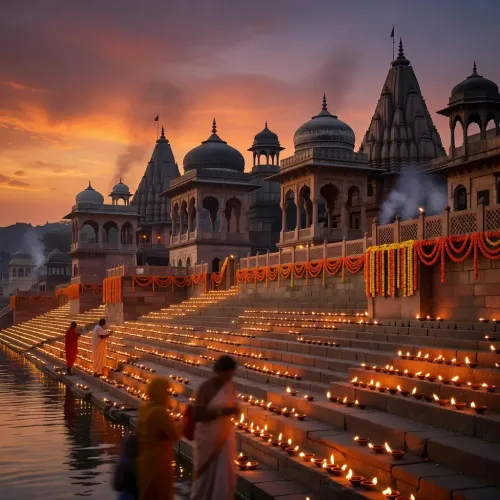
The timing of the visit — Diwali, the festival of lights — carries its own symbolism. Across India, Diwali marks Lord Ram's return to Ayodhya; for a Chief Minister to pray at Orchha's Ram Raja temple on this specific day is a pointed cultural statement about which pilgrimage stops belong on the national map.
The specific scope, timelines, and funding figures for the Orchha development project have not been officially detailed in the public record as yet — those numbers will be the ones to watch when the next state budget or central scheme announcement lands.
Point of View
The Chief Minister reinforces the BJP's pan-India narrative of reclaiming and upgrading Hindu pilgrimage heritage. The 'Orchha on the lines of Ayodhya-Kashi-Ujjain' framing also serves a political purpose — it ties the state government's agenda directly to PM Modi's most visible infrastructure wins, lending Madhya Pradesh a share of that symbolic credit. For Orchha's economy, the ambition is real and the precedent from Ujjain's Mahakal Corridor is encouraging; the test will come when budgets and timelines are publicly committed. Until then, the vision and the optics are running well ahead of the concrete plan.
NationPress
7 Nov 2026
Frequently Asked Questions
Why is Orchha famous for Lord Ram?
Orchha is the only place in India where Lord Ram is worshipped as a reigning king , known as 'Ram Raja Sarkar.' According to local tradition, a 16th-century queen brought an idol of Ram from Ayodhya and installed it in the royal palace, which then became the temple — giving Ram the status of the town's sovereign ruler.
What is Shri Ram Raja Lok in Orchha?
Shri Ram Raja Lok is the development zone being built around the Shri Ram Raja Sarkar temple in Orchha, Madhya Pradesh, aimed at upgrading pilgrimage infrastructure and visitor amenities to boost religious tourism in the region.
What is CM Mohan Yadav's plan for Orchha?
CM Dr. Mohan Yadav has committed to developing Orchha as a premier religious and spiritual tourism destination modelled on the development seen in Ayodhya, Kashi (Varanasi), and Ujjain , citing ongoing work on the Shri Ram Raja Lok project.
How was Ujjain's Mahakaleshwar Corridor developed?
The Shri Mahakaleshwar Corridor in Ujjain , Madhya Pradesh, was announced in 2019 and completed in phases, expanding the temple precinct, adding a large promenade, and significantly improving visitor infrastructure — serving as a model for similar heritage upgrades across India.
When was the Ram Mandir in Ayodhya inaugurated?
The Ram Mandir in Ayodhya was consecrated in January 2024 under Prime Minister Narendra Modi , triggering a surge in pilgrimage infrastructure development at Ram-related sites across India.