CM Naidu Fires Back at Jairam Ramesh Over Crowd Incident
Synopsis
Andhra Pradesh CM N. Chandrababu Naidu publicly rebuked Congress leader Jairam Ramesh on 4 October 2026, insisting that crowd enthusiasm at a public event was misrepresented as anger and dismissing the characterisation as a politically motivated social media narrative.
Key Takeaways
Chandrababu Naidu publicly contradicted Jairam Ramesh on 4 October 2026 over the characterisation of a public gathering incident.
Naidu described the crowd behaviour as 'overwhelming and enthusiastic,' not angry, and said he intervened only to keep the programme on track.
He accused Ramesh of being 'disconnected from the mood of the people of Andhra Pradesh and Bharat alike.' Naidu framed Ramesh's version as a 'politically motivated social media narrative' that cannot override what the crowd itself experienced.
By tagging @Jairam_Ramesh directly, Naidu kept the exchange public and invited a response in the same digital space.
A political skirmish broke out on Sunday, 4 October 2026, when Andhra Pradesh Chief Minister N. Chandrababu Naidu directly challenged Congress general secretary Jairam Ramesh over how a recent public gathering was characterised — and the rebuttal was anything but diplomatic.
The Dispute: Enthusiasm or Anger?
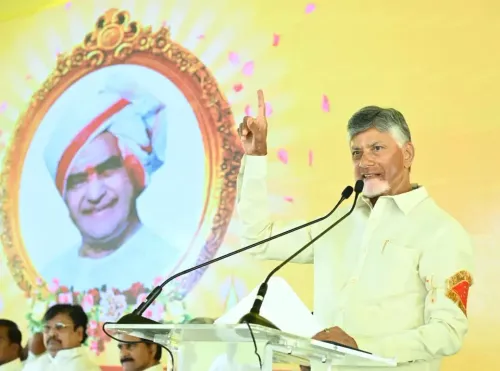
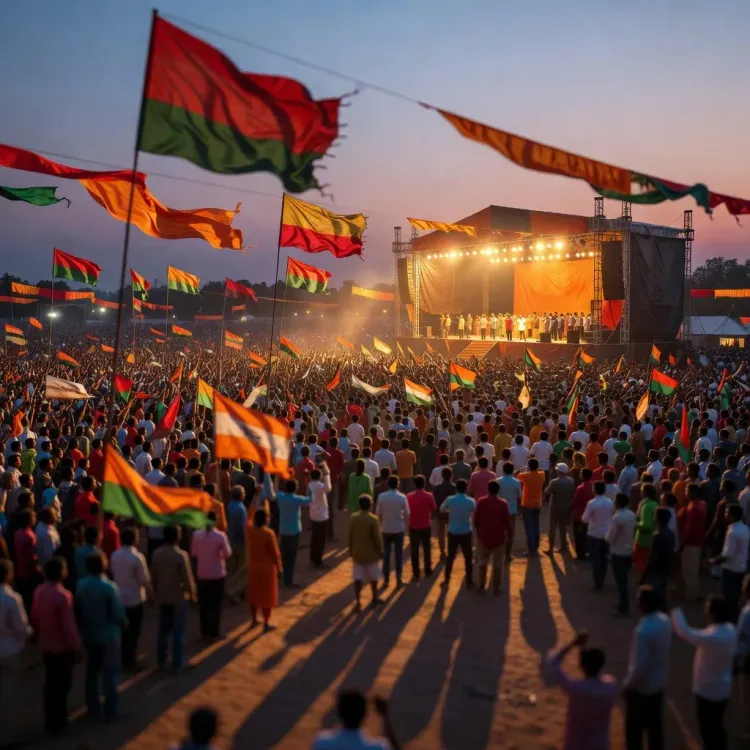
At the centre of the row is what transpired at a public programme attended by Naidu. Ramesh had framed the scene — in which Naidu reportedly had to intervene to restore order — as evidence of public anger directed at the Chief Minister. Naidu rejected that framing entirely, describing it as a 'politically motivated social media narrative.'
'What you are trying to falsely portray as public anger was, in fact, an overwhelming and enthusiastic response from the people,' Naidu wrote, addressing Ramesh directly. He said the 'sheer enthusiasm of the gathering' was what required him to step in briefly so the programme could proceed — not any hostility from the crowd.
Naidu's Sharp Diagnosis: Disconnected Opposition
The Chief Minister did not stop at correcting the record. He used the exchange to land a broader political blow, arguing that Ramesh's reading of the event reveals a fundamental gap between the Congress leadership and ordinary citizens. 'To mistake people's enthusiasm for anger only reveals how disconnected you are from the mood of the people of Andhra Pradesh and Bharat alike,' he wrote.
The phrase 'Andhra Pradesh and Bharat alike' is deliberate — Naidu widening the frame from a state-level incident to a national commentary on the Congress party's perceived distance from ground reality.
Social Media as the New Battleground
Naidu's closing line signals where he believes the real contest is being fought: 'Politically motivated social media narratives cannot change what people themselves felt and expressed.' The remark is a direct challenge to the opposition's strategy of using viral clips and platform narratives to shape perception of events on the ground — a tactic that has become central to Indian political warfare.
By tagging @Jairam_Ramesh publicly, Naidu ensured the rebuttal landed in the same digital arena where the original characterisation circulated, inviting Ramesh to respond in front of the same audience.
With Assembly politics in Andhra Pradesh perpetually high-stakes and the TDP–Congress rivalry running deep, a single public appearance can become a proxy war over whose narrative commands the streets — and the feeds. Naidu has served notice that he intends to contest both.
Point of View
Personal rebuttal reflects a broader TDP playbook of aggressively contesting opposition-driven narratives before they solidify online — a lesson drawn from how social media clips can outpace official clarifications. By explicitly branding Ramesh's framing a 'politically motivated' distortion, Naidu is not merely correcting a factual dispute but delegitimising the Congress's interpretive authority over events in Andhra Pradesh. The move also underscores a recurring fault line in Indian politics: ground-level perception versus viral perception, and which party gets to define the difference. For the Congress, allowing the rebuttal to go unanswered could cede the narrative entirely.
NationPress
4 Oct 2026
Frequently Asked Questions
What did Chandrababu Naidu say to Jairam Ramesh on 4 October 2026?
Naidu told Ramesh that his portrayal of crowd anger at a public event was false, describing the actual scene as 'overwhelming and enthusiastic' public support and calling Ramesh's version a 'politically motivated social media narrative.'
What incident triggered the Naidu–Jairam Ramesh exchange?
A public programme attended by Naidu where he reportedly had to intervene to manage the crowd. Ramesh characterised this as a sign of public anger; Naidu insisted it was enthusiasm that briefly disrupted the proceedings.
What did Naidu mean by 'disconnected from the mood of the people'?
Naidu argued that Ramesh's misreading of crowd enthusiasm as anger exposes how out of touch the Congress leadership is with ordinary citizens in Andhra Pradesh and across India.
Is there an ongoing rivalry between TDP and Congress in Andhra Pradesh?
Yes. The Telugu Desam Party led by Naidu and the Indian National Congress have a long-running political rivalry in Andhra Pradesh, with both parties contesting narratives on governance and public support.
What is Jairam Ramesh's role in the Congress party?
Jairam Ramesh is a senior leader and general secretary of the Indian National Congress, frequently serving as one of the party's primary spokespersons on political matters.