CM Naidu Surveys Cyclone Murasu Damage in Bapatla, Guntur
Synopsis
Andhra Pradesh CM N. Chandrababu Naidu personally toured Bapatla and Guntur districts on 6 November 2026, inspecting Cyclone Murasu damage to crops and roads and promising relief and justice to every affected farmer.
Key Takeaways
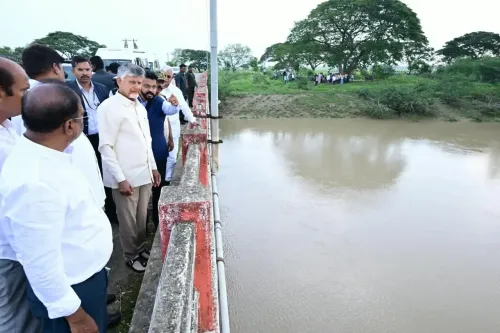
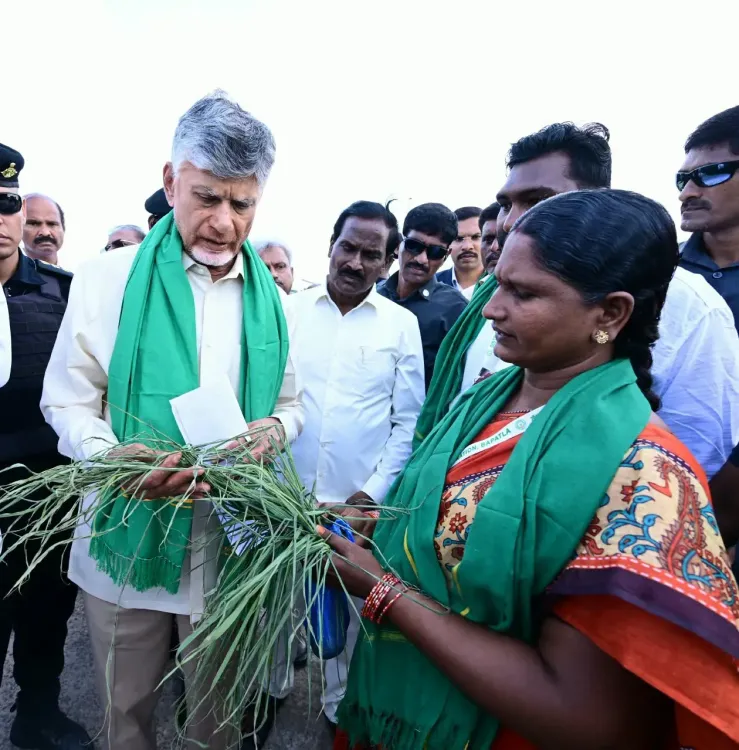
Chandrababu Naidu conducted a ground-level survey of Cyclone Murasu damage in Bapatla and Guntur districts on 6 November 2026 .
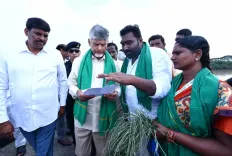
Naidu personally met farmers and local residents to understand crop losses and hardships on the ground.
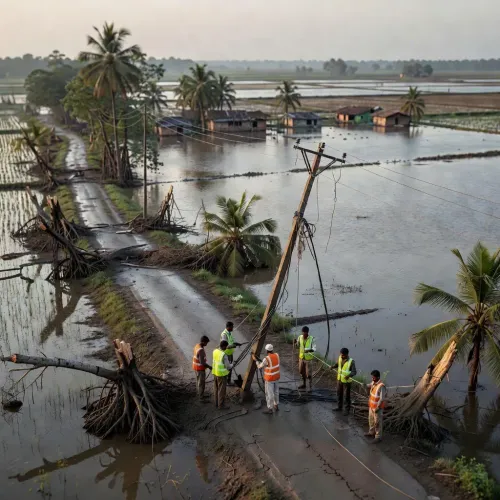
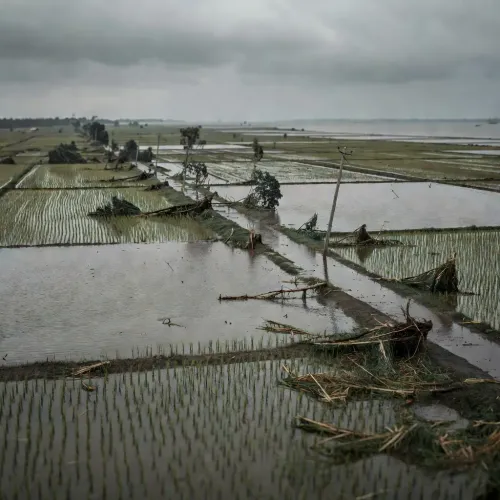
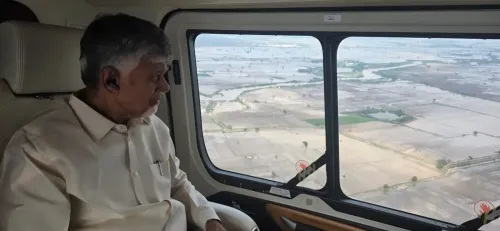
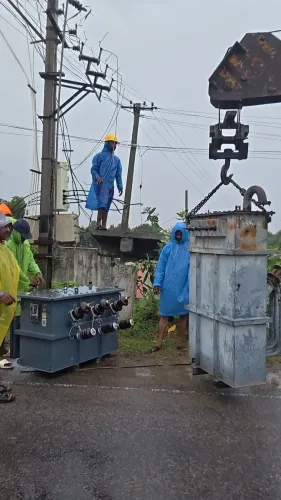
Submerged crop fields and damaged roads were among the damage witnessed during the visit.
Crops irrigated via the Pattiseema Lift Irrigation Scheme — cultivated despite El Niño-era water stress — were among those destroyed by the cyclone.
The Chief Minister publicly assured every farmer of assistance and every victim of justice.
The visit mirrors the post-cyclone field-survey approach used after Cyclone Hudhud in 2014 , with compensation disbursal and central aid requests expected next.
Waterlogged paddy fields, battered roads, and farmers who had coaxed standing crops through an El Niño-disrupted season only to watch them go under — Andhra Pradesh Chief Minister N. Chandrababu Naidu saw all of it firsthand on Friday, 6 November 2026, as he toured Bapatla and Guntur districts to assess the destruction left by Cyclone Murasu.
Naidu posted on X in Telugu, writing: 'I visited Bapatla and Guntur districts to inspect the damage caused by Cyclone Murasu. I spoke with farmers and locals to understand their hardships and the losses to their crops. I saw submerged fields and damaged roads. It was deeply painful to see crops cultivated with Pattiseema water — even during El Niño — now lost to the cyclone. I assured them that every farmer will receive help and every victim will get justice.'
Fields Fed by Pattiseema, Swallowed by Murasu
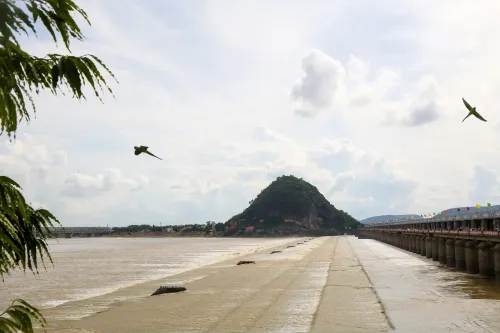
The specific grief Naidu highlighted — crops irrigated through the Pattiseema Lift Irrigation Scheme — adds a sharp layer to the story. Pattiseema, operationalised during Naidu's earlier term, was designed to bring Godavari river water to the parched Krishna delta, allowing farmers in Bapatla and Guntur to cultivate even when monsoon rainfall fell short under El Niño conditions. That the same standing crops were then destroyed by a cyclone makes the loss doubly bitter — a rare irrigation success erased by a rare weather extreme.
Bapatla, a coastal district heavily dependent on paddy cultivation, and Guntur, one of Andhra Pradesh's most agriculturally productive districts, are routinely among the most exposed to cyclone damage along the Bay of Bengal coastline. With harvests in progress or imminent this time of year, the timing of Murasu's landfall could not have been worse for farmers.
A Template from Hudhud, Reactivated
Naidu's field-visit playbook draws on a well-worn precedent. After Cyclone Hudhud in 2014 devastated the Visakhapatnam coast, his government rolled out compensation packages and infrastructure restoration drives. The on-ground tour, the direct interaction with affected farmers, the public pledge of relief — this is both a political signal and a logistical starting gun for the state machinery.
What follows a visit like this in Andhra Pradesh's post-cyclone workflow typically includes formal crop-loss assessments by revenue officials, district-level compensation disbursal, and — where damage is severe enough — a request to the Union government for funds from the National Disaster Response Fund.
Naidu's Pledge: 'Justice for Every Victim'
The Chief Minister's public assurance — that every farmer will receive assistance and every affected person will get justice — sets an explicit accountability benchmark. With the hashtag #TogetherAgainstCycloneMurasu, the communication is as much about state solidarity as it is about relief logistics. The government will now be watched on how quickly compensation flows from promise to bank account.
Road repair timelines and any formal central assistance request will be the next concrete markers of whether the pledge translates into pace.
Point of View
Reinforcing the narrative that farmers who backed the scheme were let down by nature, not by governance. The 'justice for every victim' pledge sets a measurable accountability bar that opposition parties and farmer groups will monitor closely. The broader arc here is Andhra Pradesh's recurring vulnerability — a coastal state where agricultural growth and cyclone exposure are inseparable variables in any development calculus.
NationPress
6 Nov 2026
Frequently Asked Questions
What damage did Cyclone Murasu cause in Andhra Pradesh?
Cyclone Murasu caused extensive crop submersion and road damage in coastal districts of Andhra Pradesh, particularly in Bapatla and Guntur, as assessed by CM Naidu during his 6 November 2026 visit.
What is the Pattiseema Lift Irrigation Scheme?
The Pattiseema Lift Irrigation Scheme lifts water from the Godavari river to the Krishna delta, enabling irrigation in Bapatla and Guntur districts even during dry or El Niño-affected seasons. Crops cultivated using this water were among those lost to Cyclone Murasu.
Will Andhra Pradesh farmers get compensation for Cyclone Murasu losses?
CM Naidu publicly assured during his field visit that every affected farmer will receive assistance and every victim will receive justice, signalling an upcoming formal compensation process.
Which districts were worst affected by Cyclone Murasu in Andhra Pradesh?
CM Naidu's visit focused on Bapatla and Guntur districts, both heavily agricultural and cyclone-exposed coastal areas of Andhra Pradesh.
How has Andhra Pradesh handled past cyclone damage under Naidu?
After Cyclone Hudhud in 2014, the Naidu-led Andhra Pradesh government announced compensation packages for affected farmers and undertook infrastructure restoration. A similar approach is expected following Cyclone Murasu.