CM Naidu to Turn Rayalaseema into a Global Fruit Bowl
Synopsis
CM Naidu announces the Rayalaseema Integrated Horticulture Hub — 201 clusters across 10 districts — and the Indian School of Agriculture foundation stone-laying in Madanapalle on 2 October, aiming to turn a drought-prone region into a global fruit bowl.
Key Takeaways
CM Nara Chandrababu Naidu has declared Rayalaseema will be developed into a 'Global Fruit Bowl' .
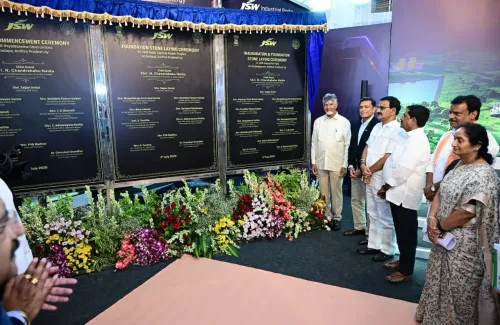
Foundation stone of the Indian School of Agriculture will be laid in Madanapalle, Annamayya district on 2 October .
The Rayalaseema Integrated Horticulture Hub will cover 10 districts (including undivided Prakasam) with 201 horticulture clusters .
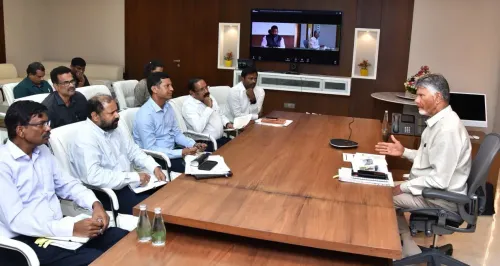
A high-level Secretariat review was attended by Finance Minister Payyavula Keshav , department officials, and district Collectors virtually.
The initiative targets conversion of rain-fed agriculture to high-value, export-oriented horticulture in one of AP's most drought-vulnerable regions.
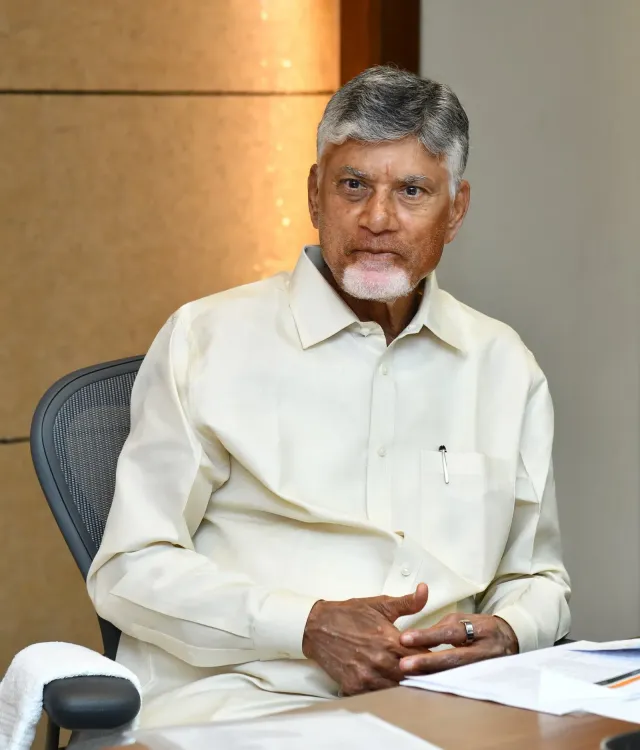
A region long defined by drought and deprivation is about to get a radically different identity. Chief Minister Nara Chandrababu Naidu has announced that Rayalaseema — historically one of Andhra Pradesh's most water-scarce zones — will be developed into a 'Global Fruit Bowl', with a landmark foundation stone-laying ceremony set for 2 October in Madanapalle, Annamayya district.
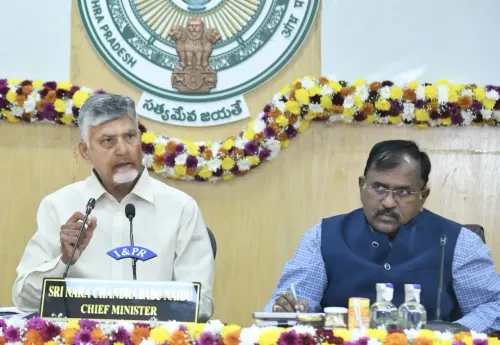
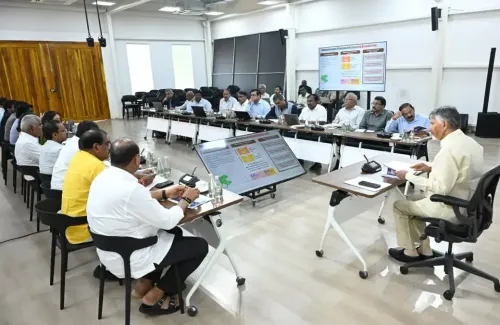
The announcement came after a high-level review meeting held at the Secretariat on 24 September 2026, attended by Finance Minister Payyavula Keshav, senior officials from the Agriculture, Horticulture and Marketing departments, and district Collectors joining virtually.
What Gets Built in Madanapalle on October 2
The foundation ceremony will mark the launch of the proposed Indian School of Agriculture — a dedicated institution designed to anchor the horticulture hub with training, research and market-linkage support. Madanapalle, already known for its tomato and vegetable trade, provides a natural base. The school is intended to channel scientific expertise directly into the cluster ecosystem being built around it.
Naidu directed officials to position Rayalaseema as a 'prapaṃca stāyi udyāna paṃtala kēndraṃ' — a world-class horticultural production centre — inverting the region's decades-old narrative of rainfall deficit and agrarian distress.
201 Clusters Across 10 Districts: The Architecture of the Hub
The blueprint is ambitious in its geographic sweep. The Rayalaseema Integrated Horticulture Hub will span 10 districts — the four traditional Rayalaseema districts plus adjoining areas — and will be integrated with undivided Prakasam district. Within this corridor, 201 horticulture clusters are planned, each designed to concentrate production of specific high-value crops, rationalise input supply chains, and create direct pathways to domestic and export markets.
The cluster model echoes a broader national push toward aggregated farming — where smallholders pool land use around a single crop to achieve the economies of scale that bulk buyers and exporters demand. For Rayalaseema's fragmented farm households, clusters offer a structural upgrade that individual land holdings cannot.
Reversing Rayalaseema's Historical Drought Deficit
The political weight of this announcement is inseparable from the region's history. Rayalaseema has been a byword in Andhra politics for neglect and underdevelopment — water-sharing disputes, failed monsoons, and migration-driven village decline have marked its story for generations. Naidu's previous 2014-2019 government launched irrigation and agricultural modernisation drives targeting the same vulnerabilities, making this initiative a resumed — and significantly scaled — chapter of that agenda.
Horticulture is a deliberate pivot away from rain-fed staple crops that have repeatedly failed Rayalaseema farmers. High-value produce — fruits, vegetables, flowers — can be cultivated under drip and micro-irrigation, making yields more predictable even in low-rainfall years. The export-orientation of the hub model means value is captured closer to the farmer rather than bleeding out across intermediary chains.
With 201 clusters, a dedicated agriculture school, and a 2 October launch date now locked in, Rayalaseema's transformation from drought map to global supply chain is no longer a vision document — it's a countdown.
Point of View
A region historically weaponised in state politics as a symbol of neglect, is deliberately symbolic. The 201-cluster architecture signals a shift from flagship project optics to systemic supply-chain engineering, which is a meaningful design upgrade. The real test, however, will be whether the Indian School of Agriculture becomes a functioning institution or a foundation-stone photo-op — and whether water availability, always Rayalaseema's binding constraint, has been structurally resolved before the clusters scale.
NationPress
25 Sept 2026
Frequently Asked Questions
What is the Rayalaseema Integrated Horticulture Hub?
It is a government initiative to develop 201 horticulture clusters across 10 districts of Rayalaseema and Prakasam, positioning the region as a world-class, export-oriented fruit and vegetable production centre announced by CM Chandrababu Naidu.
What is the Indian School of Agriculture and where will it be built?
The Indian School of Agriculture is a proposed institution to support research and training for the horticulture hub. Its foundation stone will be laid in Madanapalle, Annamayya district on 2 October 2026 .
Why is Rayalaseema being targeted for a horticulture hub?
Rayalaseema has historically suffered from drought, water scarcity, and economic underdevelopment. The hub aims to shift farmers away from rain-fed staple crops toward irrigated, high-value horticulture that is more resilient and export-ready.
Who attended the review meeting on the Rayalaseema horticulture hub?
Finance Minister Payyavula Keshav , senior officials from the Agriculture, Horticulture and Marketing departments, and district Collectors participated virtually in the Secretariat-level review on 24 September 2026 .
How many districts are covered under the Rayalaseema horticulture hub plan?
The hub covers 10 districts , integrating the traditional Rayalaseema region with undivided Prakasam district , with 201 production clusters planned across all of them.