CM Nayab Saini salutes ITBP on Raising Day
Synopsis
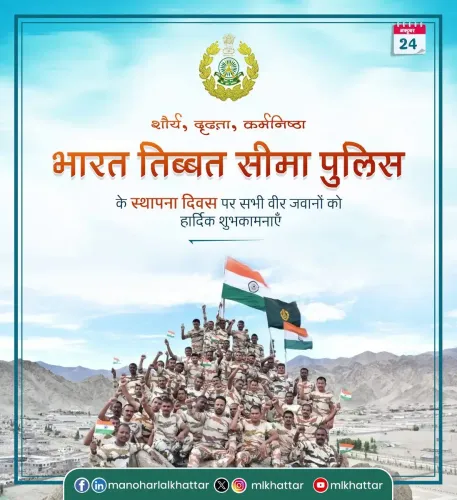
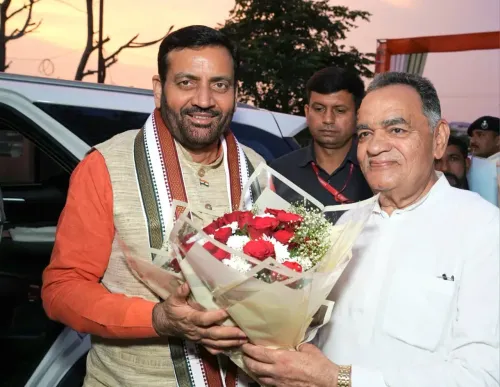
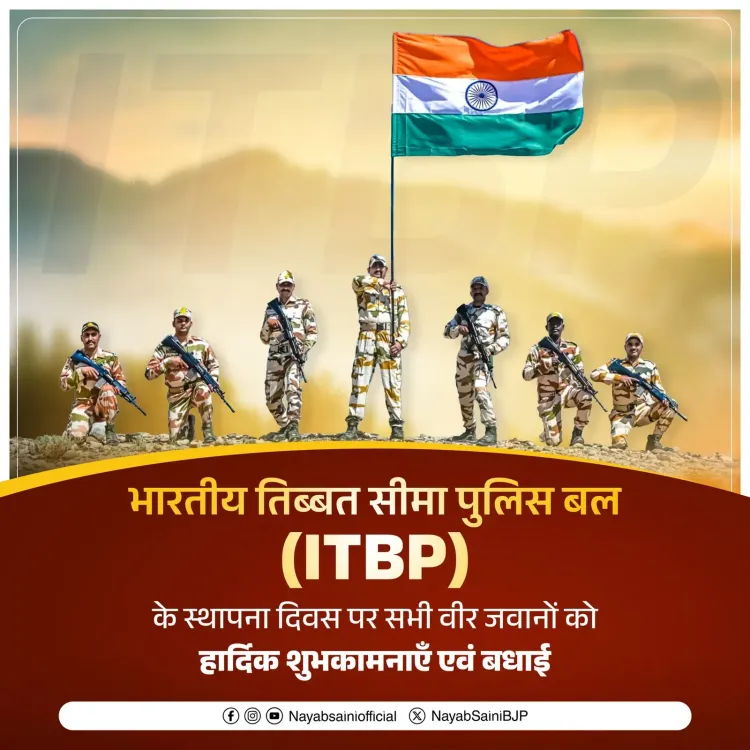
Haryana Chief Minister Nayab Singh Saini on 24 October 2026 paid tribute to the Indo-Tibetan Border Police on its Raising Day, praising the Himveers for guarding India's Himalayan frontier and providing disaster relief since the force's founding in 1962.
Key Takeaways
ITBP Raising Day falls on 24 October every year, marking the force's establishment in 1962 during the Sino-Indian conflict.
Haryana CM Nayab Singh Saini extended congratulations and best wishes to all ITBP personnel on the occasion.
Saini highlighted ITBP's dual role: guarding India's Himalayan border with China and providing disaster relief to civilians.
ITBP personnel are known as Himveers and are deployed along some of the world's most challenging high-altitude terrain.
Haryana is a major recruiting state for India's Central Armed Police Forces, giving the CM's tribute both national and local significance.
Sixty-four years after the Indo-Tibetan Border Police was born in the crucible of conflict, Haryana Chief Minister Nayab Singh Saini marked ITBP Raising Day, 24 October 2026, with a heartfelt tribute to the force's soldiers — calling their selfless service a source of pride and inspiration for every Indian.
Posting on X in Hindi, CM Saini addressed the Himveers — as ITBP personnel are proudly called — with the words: 'Symbols of indomitable courage, valour, and dedication, to all the brave soldiers of the Indo-Tibetan Border Police who guard the frontiers of Mother India, heartfelt congratulations and best wishes on Raising Day.' He added that their selfless service, from securing borders to aiding citizens during disasters, is 'a matter of pride and inspiration for every fellow countryman.'
Born in conflict, forged in the Himalayas
The Indo-Tibetan Border Police was raised on 24 October 1962 — in direct response to the Sino-Indian War — and has since grown into the primary force guarding India's vast Himalayan frontier with China. Deployed across some of the most forbidding terrain on Earth, ITBP battalions man high-altitude posts along the 3,488-kilometre Line of Actual Control, where thin air, sub-zero temperatures, and sheer altitude are themselves adversaries before any human threat enters the picture.
Their role, however, reaches well beyond the border. When floods, earthquakes, or landslides strike mountain communities, it is typically the Himveers who are among the first in — rappelling into devastated villages, evacuating stranded pilgrims on the Char Dham routes, and delivering relief in places where no road survives the disaster.
Why a Haryana CM's salute carries weight
Haryana has long been one of India's foremost recruiting grounds for its armed and paramilitary forces. The state contributes a disproportionately large share of personnel to the Central Armed Police Forces, giving messages from Haryana's political leadership a particular resonance within the fraternity of uniformed service. For CM Saini, extending this tribute is both a national gesture and a deeply local one — acknowledging thousands of Haryanvi families whose sons and daughters serve in ITBP's ranks.
Indian political leaders customarily issue statements on the raising days of Central Armed Police Forces, but Saini's message went beyond ceremony, singling out the dual mandate of the Himveers: border guardian in peacetime and lifeline during catastrophe. That framing — soldier and rescuer, sentinel and servant — is the essence of what ITBP's six decades have built.
On an anniversary that began with a war, the Himveers stand today as proof that the best response to conflict is enduring, disciplined service — and that the mountains they guard have come to define them as much as they define the nation's edge.
Point of View
But they also reflect a genuine competition among state leaders to be seen as champions of the security forces — particularly in high-recruitment states like Haryana. CM Saini's emphasis on ITBP's disaster-relief function alongside its border role signals an awareness that public appreciation for the force extends well beyond defence circles. With India's Himalayan frontier remaining a persistent geopolitical flashpoint, keeping the Himveers in the public eye serves both ceremonial and strategic signalling purposes. The tribute is routine in form but carries weight in a state whose villages count paramilitary service as a proud tradition.
NationPress
24 Oct 2026
Frequently Asked Questions
When was the ITBP founded and why?
The Indo-Tibetan Border Police was established on 24 October 1962 in direct response to the Sino-Indian War, to guard India's Himalayan frontier with China.
What does ITBP do apart from guarding the border?
ITBP personnel, called Himveers, also conduct disaster relief operations — rescuing civilians during floods, earthquakes, and landslides in mountain regions.
Why are ITBP soldiers called Himveers?
'Himveer' combines the Hindi words for Himalaya and brave warrior, reflecting the force's deployment across high-altitude Himalayan terrain.
What did Haryana CM Nayab Singh Saini say about ITBP?
CM Saini called ITBP soldiers symbols of indomitable courage, valour, and dedication, and said their selfless service is a matter of pride and inspiration for every Indian.
Which border does ITBP guard?
ITBP guards India's approximately 3,488-kilometre Line of Actual Control along the Himalayan frontier with China.