Iran plots against US officials at advanced stage, intelligence chief warns Rubio
Synopsis
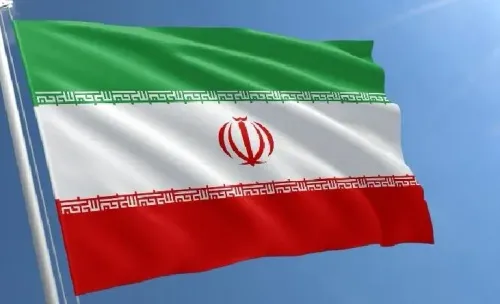
The US Director of National Intelligence has handed Secretary of State Rubio a stark one-page memo: Iran's plots against American officials have reached 'advanced stages' — not just in the Middle East but in other countries too. The response is already visible on the ground, with diplomats being pulled from Saudi Arabia and reductions spreading to UAE, Lebanon, Qatar, Jordan, Bahrain and Kuwait, as President Trump publicly waves the military option.
Key Takeaways
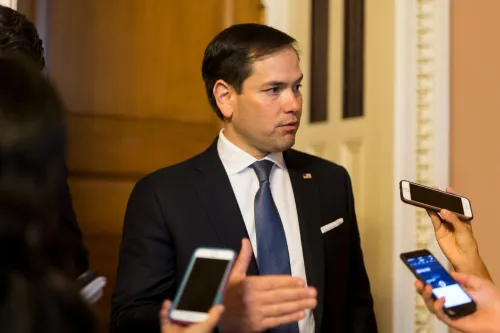
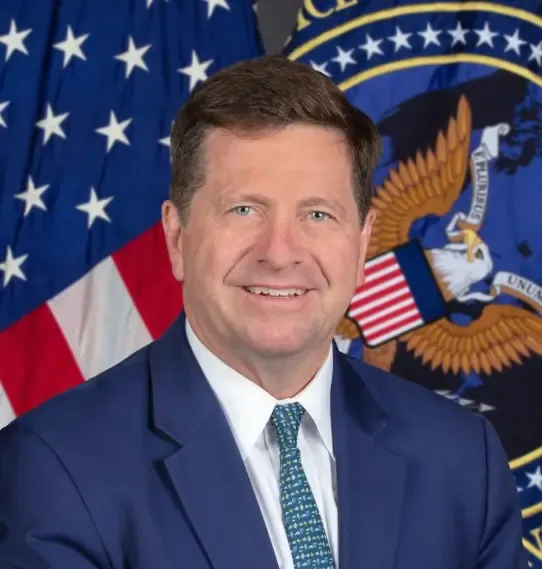
Director of National Intelligence Jay Clayton warned Secretary of State Marco Rubio in a 23 October memo that Iran had 'substantially increased efforts to target U.S. personnel'.
Lethal plots have reportedly 'reached advanced stages in both the Middle East and certain other countries', according to the memo.
The State Department ordered non-emergency staff out of the US Embassy in Riyadh and consulates in Jeddah and Dhahran ; further staff reductions followed at embassies in the UAE, Lebanon, Qatar, Jordan, Bahrain and Kuwait .
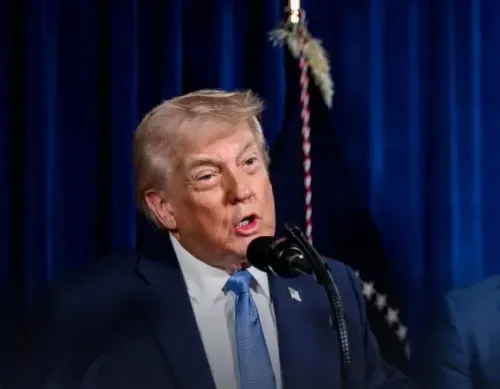
President Donald Trump warned at a Florida rally that the US may conduct another military operation, referencing 'Operation Epic Fury'.
The US military has also reportedly been quietly reducing troop numbers at Middle East bases, according to a report from 21 October .
Director of National Intelligence Jay Clayton has warned Secretary of State Marco Rubio that Iran has 'substantially increased efforts to target U.S. personnel', with some lethal plots now at an advanced stage — a disclosure that has prompted Washington to pull diplomats from Saudi Arabia and reduce staffing at multiple embassies across the Middle East. The classified warning, dated 23 October, marks a sharp escalation in the threat picture facing American officials in the region.
The Intelligence Warning
In a one-page unclassified memo, Clayton told Rubio that Iranian lethal plots had 'reached advanced stages in both the Middle East and certain other countries', according to a report citing the document. The memo was also copied to CIA Director John Ratcliffe. Crucially, it did not name specific targets, identify the countries outside the Middle East, or describe the nature of the plots.
The intelligence had already been shared with senior State Department officials. Clayton reportedly offered to downgrade the classification level so the warning could be disseminated more widely within the department — an unusual step that signals the seriousness with which the threat is being treated.
Embassy Withdrawals Across the Region
The warning has triggered a visible operational response. Earlier this week, the State Department ordered the departure of non-emergency staff from the US Embassy in Riyadh and the consulates in Jeddah and Dhahran. Staff reductions subsequently followed at US embassies in the UAE, Lebanon, Qatar, and Jordan.
Reports further indicated that cuts extended to Bahrain and Kuwait, with diplomats describing the reductions as 'chaotic'. State Department spokesperson Tommy Pigott said in a post on X that the ordered departure applied to 'Saudi Arabia only', appearing to draw a distinction between mandatory departures and voluntary staff reductions elsewhere.
A US official confirmed the memo and elaborated: 'When it comes to our staffing at embassies, we constantly evaluate new information about the security environment. The threat of Houthi attacks and of Iranian terror plots targeting U.S. officials are informing our decisions on staffing adjustments for embassies on RO Status in the region.'
Trump Keeps Military Option on the Table
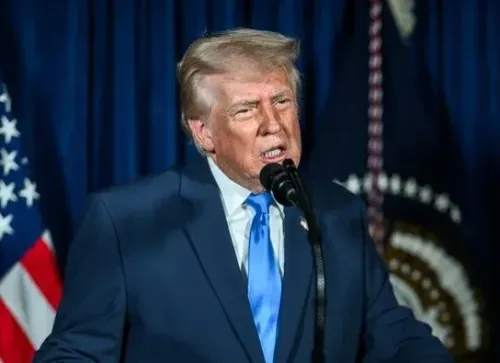
The disclosures come as President Donald Trump has kept the option of renewed military action explicitly open. Speaking at a rally in Florida on Friday, Trump said: 'We may do another little Operation Epic Fury, or [the Iranians] will agree.' The remark signals that Washington is treating the threat not merely as a defensive security matter but as a potential trigger for further military engagement.
Separately, a report from 21 October indicated that the US military had also been quietly reducing troop numbers at bases across the Middle East — a development that, read alongside the embassy withdrawals, suggests a broader repositioning of American assets in the region.
Context and What Comes Next
This is not the first time Iran has been accused of plotting against US and allied officials. Allegations of Iranian-linked assassination attempts against former US officials have surfaced repeatedly in recent years, including reported plots against former National Security Advisor John Bolton and former Secretary of State Mike Pompeo. The current warning, however, is notable for its geographic breadth — extending beyond the Middle East — and for the speed of the operational response it has triggered.
The situation is expected to remain fluid as US-Iran diplomatic tensions remain unresolved. How far Washington is prepared to push its military posture — and whether Tehran signals any willingness to negotiate — will shape the security calculus in the coming days.
Point of View
UAE, Lebanon, Qatar, Jordan, Bahrain, Kuwait — is without recent precedent and suggests the intelligence assessment is being taken with unusual seriousness in Foggy Bottom. What is striking is the breadth of the threat geography cited: 'certain other countries' beyond the Middle East points to a global threat posture from Tehran that goes well beyond Houthi-adjacent risk. Trump's 'Operation Epic Fury' remark at a Florida rally is unlikely to de-escalate matters; historically, public ultimatums from Washington have hardened Iranian posture rather than softened it. The real question is whether this is a crisis-management exercise — visible enough to deter — or a prelude to the kind of coercive military signalling that could spiral.
NationPress
24 Oct 2026
Frequently Asked Questions
What did the US intelligence chief warn about Iran?
Director of National Intelligence Jay Clayton warned Secretary of State Marco Rubio in a 23 October memo that Iran had 'substantially increased efforts to target U.S. personnel', with lethal plots reaching 'advanced stages' in the Middle East and other countries. The memo was also shared with CIA Director John Ratcliffe.
Which US embassies are reducing staff due to the Iran threat?
The State Department ordered the departure of non-emergency staff from the US Embassy in Riyadh and consulates in Jeddah and Dhahran. Subsequent staff reductions also occurred at US embassies in the UAE, Lebanon, Qatar, Jordan, Bahrain, and Kuwait, with diplomats reportedly describing the process as 'chaotic'.
What did President Trump say about a potential military response?
Speaking at a rally in Florida on Friday, President Donald Trump said: 'We may do another little Operation Epic Fury, or [the Iranians] will agree.' The remark signals that Washington is keeping military action as an active option amid the escalating threat.
Has the US military also made changes in the Middle East?
Yes. A report from 21 October indicated that the US military had been quietly reducing troop numbers at bases across the Middle East, a move that aligns with the broader pattern of American repositioning in the region.
Why is Iran reportedly targeting US officials now?
The memo does not assign a specific motive. The warning comes amid unresolved US-Iran tensions and follows a pattern of alleged Iranian assassination plots against current and former American officials that have surfaced in recent years. The current threat is notable for reportedly extending beyond the Middle East geographically.