Iranian Embassy in India rejects Rubio's remarks, blames US and 'Zionist regime' for instability
Synopsis
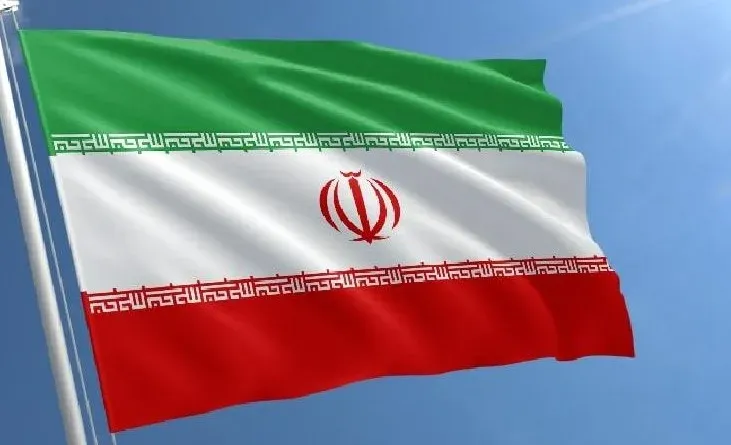
Iran's embassy in New Delhi didn't just push back against Rubio — it issued a sweeping counter-narrative, blaming 47 years of US sanctions, accusing Washington and Israel of destabilising the Gulf, and asserting Iran's nuclear rights as non-negotiable. The statement lands as indirect US-Iran talks are reportedly still in progress, making the timing as significant as the content.
Key Takeaways
The Iranian Embassy in New Delhi issued a formal statement on Sunday, 25 May 2025 , rejecting remarks by US Secretary of State Marco Rubio about Iran.
Iran accused the United States and the 'Zionist regime' of destabilising the region and threatening maritime security in the Strait of Hormuz .
The embassy said US sanctions over 47 years have disrupted not only Iran's oil exports but also access to medicines and medical equipment for Iranian citizens.
Iran reiterated that its nuclear programme is peaceful and supervised by the IAEA , calling it an 'inalienable right.' The statement came after Rubio acknowledged 'some progress' in indirect US-Iran talks but ruled out Iran ever possessing a nuclear weapon.
Iran stated its armed forces are in 'full readiness' to defend the country's sovereignty and territorial integrity.
The Embassy of the Islamic Republic of Iran in New Delhi issued a formal press statement on Sunday, 25 May 2025, categorically rejecting recent remarks by United States Secretary of State Marco Rubio about Iran. The embassy accused Washington of attempting to 'distort the realities of the region' and deflect attention from what it described as the destabilising policies of the United States and the 'Zionist regime.'
The Embassy's Official Rejection
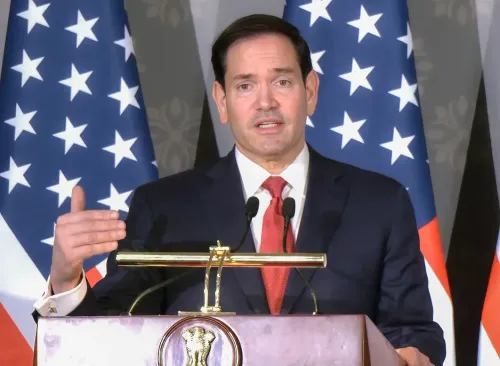
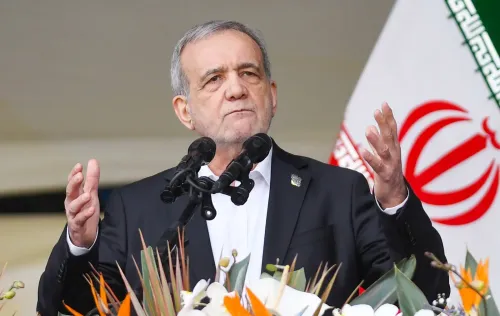
In its statement, the Iranian Embassy said: 'The Embassy of the Islamic Republic of Iran in India rejects the recent remarks made by the United States Secretary of State regarding the Islamic Republic of Iran and emphasizes that such allegations constitute a clear attempt to distort the realities of the region and to deflect attention from the destabilizing policies of the United States and the Zionist regime.'
The embassy described US sanctions on Iranian oil exports as disruptive to global energy markets, noting that Iran — one of the world's major oil and energy exporters — has consistently expressed readiness to supply energy resources to all countries, including India.
Sanctions and Humanitarian Impact
'Oil sanctions represent only a small part of the broader pattern of hostile measures and pressures that the US government has imposed on the Iranian people over the past 47 years,' the statement read. The embassy further alleged that these restrictions have extended to access to medicines and medical equipment for Iranian patients — a claim it presented as evidence of the sweeping humanitarian toll of US policy.
Maritime Security and Regional Accusations
Iran accused both the United States and Israel of generating regional instability and threatening maritime security in the Strait of Hormuz through what it called 'military, provocative, and adventurist actions.' The Strait of Hormuz is a critical global oil transit chokepoint; any disruption there carries significant consequences for international energy supply chains.
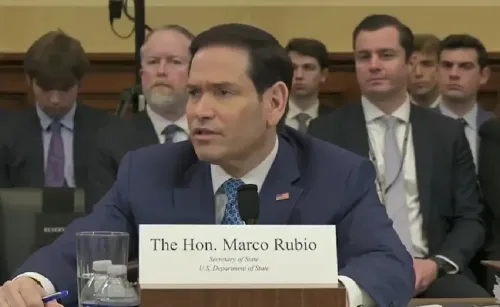
This comes amid ongoing indirect negotiations between Washington and Tehran. Rubio had acknowledged that those talks had made 'some progress,' but stressed that the US would never permit Iran to possess a nuclear weapon or to impose tolls on maritime passage through the Strait of Hormuz.
Iran's Nuclear Programme: The Embassy's Position
Responding to allegations about its nuclear activities, the embassy reiterated that Iran's programme is entirely peaceful and operates under the supervision of the International Atomic Energy Agency (IAEA). 'The Islamic Republic of Iran considers the peaceful use of nuclear science and technology to be the legitimate and inalienable right of its people and emphasizes that it will never relinquish this lawful and internationally recognised right,' the statement said.
The embassy also claimed that Iran had withstood military and political pressure from the US and Israel, asserting that efforts to alter Iran's political system had failed. It added that Iran's armed forces remain in 'full readiness' to respond to any threat against the country's sovereignty, security, and territorial integrity.
Context and What Comes Next
The statement marks a sharp escalation in diplomatic rhetoric issued from Iranian soil — or, in this case, its diplomatic mission in India — at a moment when US-Iran indirect talks are reportedly still active. Notably, Iran's choice to issue this statement through its New Delhi embassy underscores the importance it places on its bilateral relationship with India, a major potential buyer of Iranian crude. Whether this public posturing affects the pace of ongoing negotiations remains to be seen.
Point of View
And framing US sanctions as a threat to Indian energy security is a calculated appeal to shared interests. The timing is also notable: with indirect US-Iran talks reportedly making 'some progress,' a maximalist public statement from Tehran risks hardening positions at a delicate moment. The embassy's invocation of 47 years of US pressure is standard Iranian diplomatic language, but the specific mention of medicines and medical equipment is a newer humanitarian framing designed to build international sympathy. Whether this rhetorical escalation is coordinated with Iran's negotiating posture — or runs counter to it — is the question mainstream coverage has largely missed.
NationPress
19 Sept 2026
Frequently Asked Questions
Why did the Iranian Embassy in India issue this statement?
The Iranian Embassy in New Delhi issued the statement on 25 May 2025 to formally reject recent remarks by US Secretary of State Marco Rubio about Iran, accusing Washington of distorting regional realities and deflecting from its own destabilising policies.
What did Marco Rubio say about Iran?
Rubio acknowledged that indirect US-Iran negotiations had made 'some progress' but stressed that the United States would never allow Iran to possess a nuclear weapon or unlawfully control the Strait of Hormuz by imposing tolls on maritime passage.
What is Iran's position on its nuclear programme?
Iran maintains that its nuclear activities are entirely peaceful and conducted under IAEA supervision. The embassy described the peaceful use of nuclear science as a 'legitimate and inalienable right' that Iran will never relinquish.
How does Iran view US sanctions?
Iran describes US sanctions as part of a 47-year pattern of hostile pressure that has disrupted its oil exports, destabilised global energy markets, and even restricted Iranian patients' access to medicines and medical equipment.
Why did Iran issue this statement through its India embassy specifically?
Iran has consistently emphasised its readiness to supply oil and energy to India, making New Delhi a strategically important diplomatic post. The statement reinforces Iran's case that US sanctions harm not just Iran but also potential partner countries like India.